Psilocybin Healing Centers: Boulder’s Groundbreaking Openings
Alright, friends—it’s not just your imagination. Boulder is officially catching the vibe with the arrival of licensed psilocybin healing centers. This isn’t some fringe experiment or microdose meet-up in a friend’s basement. We’re talking real, licensed operations making headlines and changing lives. Why does this matter now? With public attitudes shifting, regulation evolving, and psychedelic healing going mainstream, Boulder’s newest doors are swinging wide open at the perfect time. This story isn’t just about local news. It’s about the merging of ancient plant wisdom with modern, professional care, and why eyes across the U.S. are turning toward these new psilocybin healing centers in Boulder. We’re diving into the laws, details, and real-world impact—just keep reading.
The Psychedelic Renaissance: Legal and Social Context for Psilocybin Healing Centers
Let’s get real. Not so long ago, talk of legal psilocybin healing centers would get you side-eyed. Fast forward to now, Colorado voters passed Proposition 122 in November 2022, decriminalizing psilocybin and paving the way for regulated healing centers (Colorado Public Radio). Boulder, always on the progressive pulse, is leading the charge in the Front Range. This move fits squarely into a national shift, as cities like Oakland and Denver already moved to decriminalize entheogens. We’re seeing tighter rules around safe access and deeper conversations about ethical use and social equity, very much like the ongoing debate in states surrounding what’s legal in Florida’s changing hemp laws. Industry experts from Marijuana Moment and regulatory developments in Oregon and Colorado all confirm, psychedelics are coming in from the cold. Now, with new guardrails, psilocybin healing centers are gaining legitimacy. This transformation is giving folks real options for holistic wellness, outside of old pharmaceutical paradigms.
Boulder’s First Public Psilocybin Healing Centers: The Main Facts
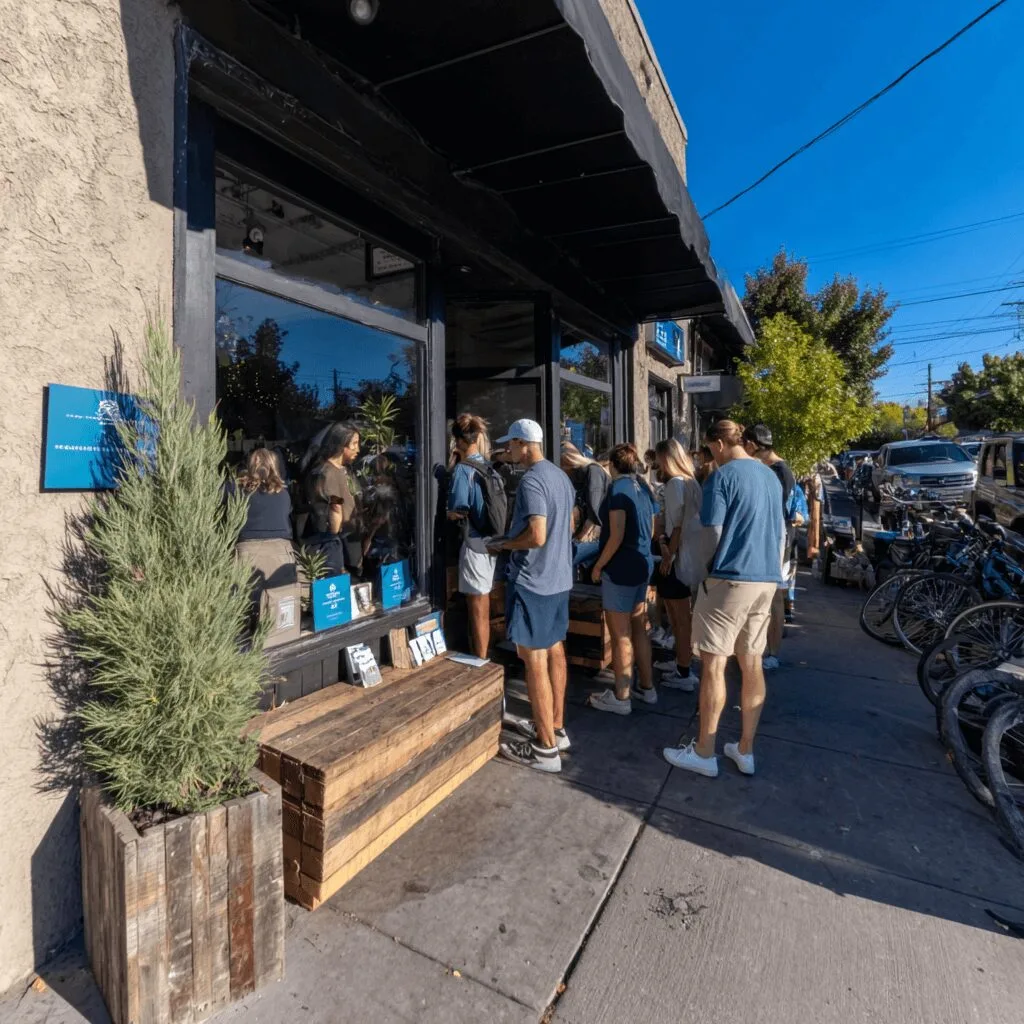
Let’s break it down. On November 18, 2025, Boulder’s first wave of psilocybin healing centers officially opened, as covered by the Boulder Reporting Lab. Prime locations downtown are now home to these trailblazing storefronts. The first organizations to receive operating licenses include pioneering names like Wellspring MycoTherapy and WildMind Wellness. Both outfits boast multidisciplinary teams with psychiatrists, psychotherapists, and certified facilitators. Services range from preparation meetings and safe, guided psilocybin sessions, to structured group therapy and integration circles, a model for individualized support similar to approaches supporting veteran mental health in cannabis communities. According to city officials and the Center for Psychedelic Therapies at CU Boulder, all licensed centers must follow strict harm reduction protocols, including medical screening and aftercare. Local law enforcement confirmed support, as long as operations stay tightly regulated. State and city licensing logs are clear, applications rose sharply after the state finalized the rules in 2024, making this first opening a historic moment. With appointments booked out and waiting lists growing, these Boulder psilocybin healing centers are the real deal, setting benchmarks not only for Colorado but for the nation.
Expert Analysis: Why This Matters for the Cannabis and Psychedelic Sectors
So what’s this mean for cannabis and the broader alternative healing landscape? It’s more than a trend, it’s an evolution. Just as cannabis emerged from the shadows into medical legitimacy, psilocybin healing centers are now showing their place in modern wellness. According to Leafly, overlapping consumer interest and research into both cannabinoids and psychedelics signal a true paradigm shift, and evolving regulation reminds us of recent oversight gaps found in the Utah cannabis licensing audit. For years, underground therapists and retreat facilitators filled the gap. Today, legal centers are creating professional safety nets—goodbye risky gray-market, hello regulated care. As Dr. Natalie Ginsberg of MAPS said in a recent interview, “Safe, community-based access to psychedelics in licensed environments is the end of prohibition and the beginning of true healing.” (MAPS). These licensed centers aren’t competition for cannabis businesses, they’re complementary, drawing people who already value plant medicine, self-exploration, and non-pharma approaches. Expect smart partnerships, cross-education, and a rising tide raising all holistic ships. No surprise, as mainstream institutions and insurers eye this new frontier for best practices and coverage models. Regulation is helping legitimize both industries, and public trust is growing every day.
Future Outlook: Boulder’s Model and the Road Ahead for Healing Centers
Boulder’s psilocybin healing centers aren’t just pioneering Colorado—they’re charting a path for the whole country. We’re seeing deep links growing between cannabis, psychedelics, and new thinking about mental health. Expect Colorado’s tight rules and Boulder’s careful roll-out to serve as a blueprint for other states. As stigma falls and research mounts, these healing centers will be central to the next era of wellness. According to the Brookings Institution, national policymakers, researchers, and entrepreneurs are watching Boulder closely. With trust, transparency, and community engagement, the future for psilocybin healing centers looks bright. And, as always, the cannabis community will be there—sharing wisdom and advocating for safe, equitable access for all.
Originally reported by: boulderreportinglab.org