






Black-owned cannabis dispensary Denver faces uncertain future
The cannabis industry is all about inclusivity and progress, but challenges still hit close to home, especially for pioneers paving the way for real equity. The situation with the Black-owned cannabis dispensary Denver is more than just a business headline—it’s a frontline story of diversity, community resilience, and big questions that matter to the future of marijuana in America. Why should you care? Because what happens at the local level in Denver can influence the broader national trend for fairer access, social equity, and sustainable ownership in the cannabis sector. Dive in for a closer look at what’s happening, why it matters, and the roadmap ahead for Black-owned cannabis dispensary Denver and the entire industry.
Background: Social Equity and Changing Cannabis Regulations in Denver
If you’ve been following the legal cannabis journey, you’ll know it’s not just about weed economics, it’s deep-rooted in social justice. Denver is a leader, but the struggles of Black-owned cannabis businesses remain real. According to Marijuana Policy Project, social equity programs are critical, yet underfunded and often complicated by legacy zoning, licensing backlogs, and limited real estate. Black entrepreneurs in Denver encounter unique barriers, including biased regulatory closures, a shortage of affordable locations, and ongoing stigma. Cases in other regions, such as neighborhood-level police activity and its impact on cannabis communities, also illustrate how enforcement environments can spark broader debate around equity. As Cannabis Business Times highlights, states like Colorado made strong statements about correcting past discrimination, but local Black-owned cannabis dispensaries face hurdles that go well beyond the red tape.
Key Developments: The Battle for Home and Equity
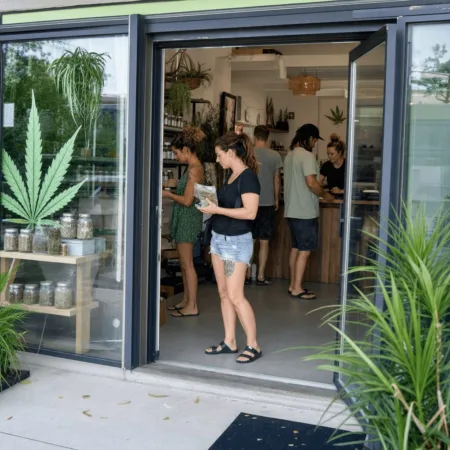
In the heart of the city, Simply Pure—the first Black-owned cannabis dispensary Denver—has become a community icon. But, per Westword, owner Wanda James faces a looming challenge: the risk of losing her shop’s current home due to a contested lease. This isn’t just another business struggle, it’s a major fight for equity and visibility. The dispensary’s landlord is not renewing the lease, citing vague ‘redevelopment’ reasons, which could force Simply Pure—a cornerstone for Black-owned cannabis dispensary Denver—out of its long-standing LoHi neighborhood spot. This also comes at a crucial time, as the dispensary just celebrated years of service, education, and activism, building trust with Denver’s diverse consumers. Legal filings echo battles seen in regions with expanding cannabis markets, such as the balance and backlash experienced by dispensaries in other counties, highlighting a tense standoff with ripple effects for anyone watching the cannabis social equity movement.
Expert Perspective: Why This Matters for the Whole Industry
What does this really mean for dispensaries owned by people of color? It’s not just about retail, it’s about shaping the entire market’s future. Wanda James herself told Marijuana Moment, “Black ownership isn’t just representation for the sake of a press release, it’s boots on the ground, education, and economic revitalization.” Industry experts agree, as highlighted by the Cannabis Business Times, that the loss of Black-owned cannabis dispensary Denver locations undermines restorative justice commitments and narrows access for communities most impacted by cannabis prohibition. These expert perspectives echo concerns about market consolidation threatening to erase hard-earned social equity gains. There is hope, though—ongoing advocacy, mentorship, and legal aid reflect persistent efforts for fairness, just as ongoing legal changes elsewhere help move the industry forward, such as recent calls for reform and community-driven change across cannabis enforcement.
What’s Next: Hope and Solutions for Equity in Cannabis
Despite the hurdles, the story isn’t over for Black-owned cannabis dispensary Denver champions. If the city, activists, and progressive landlords work together, there’s a clear path forward: streamlined licensing, accessible capital, and tougher protections against unfair property actions. As Leafly recently reported, public support for diverse dispensary ownership has never been higher. With continued community pressure, legal innovation, and real policy changes, Denver—and the broader cannabis industry—can become a leader in equity and inclusion. Stay tuned, stay supportive, and remember: the future of weed is about who gets to participate and thrive.
Originally reported by: westword.com

2 Comments
Pingback: TD Garden cannabis trademark clash: Get the inside story
Pingback: Cannabis and Psilocybin News: This Week’s Must-Read Updates