Basketball player Indonesia drug charge: The shocking truth revealed
Recent headlines are buzzing about the latest basketball player Indonesia drug charge, thrusting the intersection of cannabis, sports, and Southeast Asian law into the spotlight. With global attitudes toward cannabis changing fast, this high-profile case isn’t just tabloid fodder—it’s a signal of urgent shifts in how different nations handle weed, especially when international athletes are involved. Here, we break down what happened, why it matters, and what it means for Indonesia’s cannabis future. Strap in—this is bigger than just one player’s story.
Indonesian Cannabis Laws: A Deep Dive
Indonesia maintains some of the world’s strictest cannabis regulations. Under the nation’s Narcotics Law No. 35 of 2009, possession, use, or distribution of marijuana—even in small amounts—can land a person decades behind bars, or in rare cases, facing the death penalty. Indonesian authorities continue to link cannabis use with social destabilization, citing United Nations listings to reinforce prohibition. Local advocacy groups, like Koalisi Satu Hati, argue that the nation’s zero-tolerance policy hasn’t curbed use, but has instead pushed the market underground, a debate that’s echoed in communities such as those experiencing Enterprise meth marijuana arrests that stir debate over local justice and drug policy. In contrast, regional nations such as Thailand have recently loosened restrictions, creating tension within Southeast Asia’s approach (Reuters). For athletes, these laws don’t bend, and international sports figures face outsized risks when in Indonesia, as seen in recent drug charges making international headlines.
Breaking Down the Basketball Player Indonesia Drug Charge
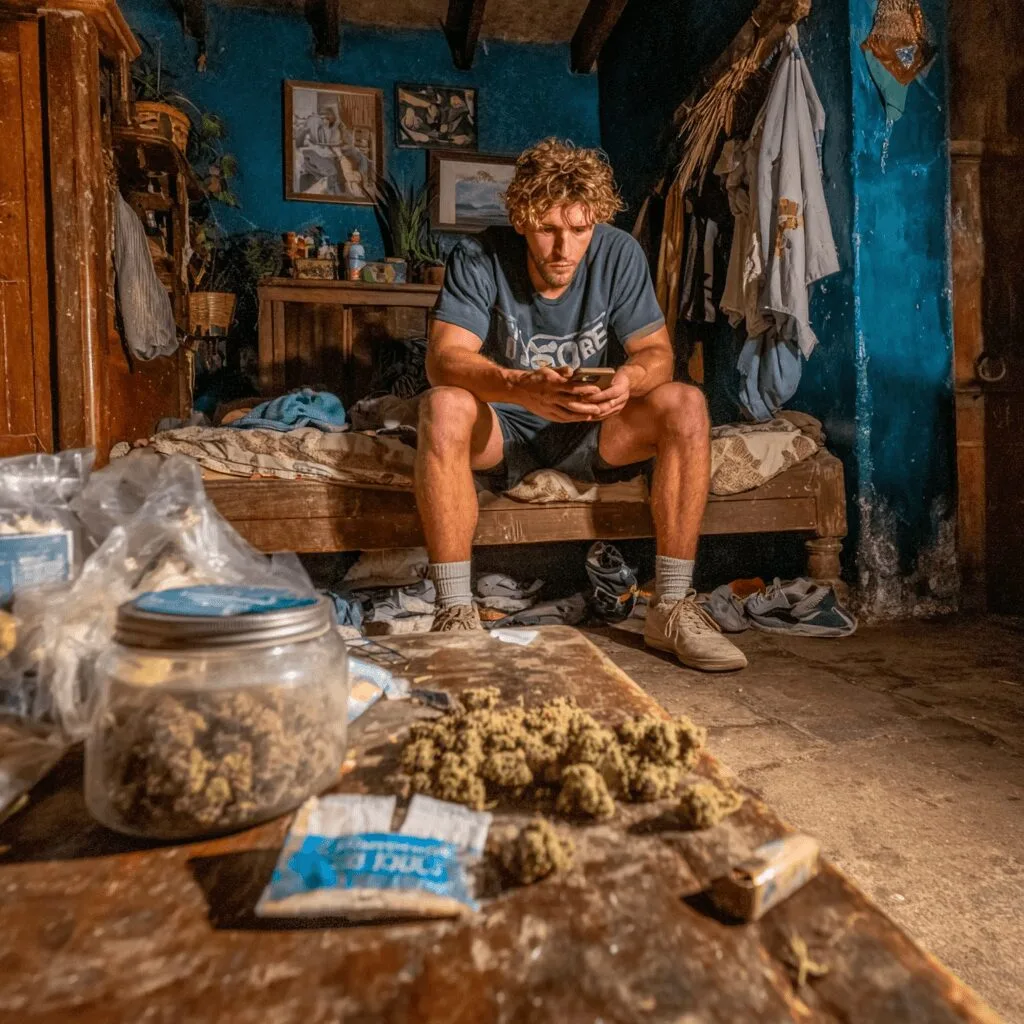
The recent basketball player Indonesia drug charge centers on an unnamed tall, well-known athlete caught in a Jakarta apartment. According to LADbible and corroborating legal filings, the story kicked off when a tip led police to the player’s modest residence. Authorities discovered a small bag containing dried cannabis, rolling papers, and a lighter—which recalls the impact of strict enforcement policies similar to Kansas marijuana enforcement results with surprising stats and human stories. The player’s distress was captured in candid, unfiltered fashion, quickly circulating through Indonesian press. The defendant reportedly cited the cannabis for personal use and didn’t attempt to flee or obscure evidence. Despite this, charges could entail a multi-year prison sentence or worse. The incident landed him in an overcrowded holding cell, with a court hearing set for late October. Indonesia’s legal system doesn’t cut special breaks for foreign athletes, as highlighted by past cases involving vacationers and musicians. As of mid-2024, the player temporarily remains in official custody, with lawyers arguing for leniency based on minimal quantity and lack of intent to distribute. Advocacy groups have since called for Indonesia to reconsider its severe laws in light of global reforms.
Expert Insights: Beyond the Headlines
This basketball player Indonesia drug charge isn’t just a tabloid flash, it puts serious stress on outdated prohibition policies. Cannabis advocates worldwide point out that, as Leafly notes, “Punitive cannabis laws in Southeast Asia result in unequal justice and drive illicit markets, overshadowing real drug education.” According to Dr. Siti Amalia of the Indonesian Harm Reduction Network, “Nobody’s career, or life, should hinge on a few grams of dried plant. Most countries now focus on harm reduction, not lifelong punishment.” (IHRA). On the professional circuit, NBA star Kevin Durant recently underscored shifting mainstream perceptions, quipping in a Forbes interview, “A lot of people use cannabis responsibly; it doesn’t mean your game is off.” In this climate, examples from the road, including those driving with revoked license and cannabis, illustrate real risks and surprising outcomes as authorities enforce harsh laws. In contrast, Asia still sees harsh penalties as a deterrent, despite mounting international legal reforms and a growing scientific consensus that personal cannabis use doesn’t equate to criminality. The experience of this basketball player could serve as a catalyst for overdue conversation in Indonesia and across the region.
Looking Ahead: Growth, Reform, and Social Change
While the basketball player Indonesia drug charge spotlights real dangers of outdated prohibition, it also accelerates a region-wide dialogue. Southeast Asia is at a crossroads: strict nations like Indonesia are being challenged by progressive neighbors and international athletes with a global following. According to Cannabis Business Times, markets old and new are watching these controversies to shape policy—sometimes positively, sometimes as a warning. The global cannabis industry is booming, with more countries recognizing the potential for medical, economic, and social gains. Optimistically, each headline is one more step toward opening minds and laws, moving ever closer to a time when a plant won’t destroy careers or lives. For now, reformers and advocates are keeping the heat on, making Indonesia’s story impossible to ignore.
Originally reported by: ladbible.com