




Environmental Impact of Psychedelics: What You Need to Know
It’s 2025, and suddenly, everyone’s talking about the environmental impact of psychedelics. From microdosing tech startups to legacy growers in the hills, psychedelics have exploded in popularity as cultural, medical, and economic forces. But underneath the trippy optimism, some challenging truths have emerged about how our favorite plant-based and synthetic mind-openers are affecting the planet. This article breaks down the hard facts, unpacks industry realities, and gives you the straight dope on the environmental impact of psychedelics—no sugar-coating, only real talk.
Setting the Scene: Background & Context on the Environmental Impact of Psychedelics
The current psychedelic renaissance is wild, no lie. Recent changes in state and international laws have paved the way for medical research, decriminalization, and even licensed adult use for certain psychedelics. Psychedelic therapy clinics are popping up from Portland to Miami, and the global market’s projected to reach $10.75 billion by 2027, according to Grand View Research. Legal debates about cannabis regulation, such as those highlighted in local justice and policy disputes regarding marijuana arrests, reveal how shifting laws around psychoactive substances are closely watched worldwide. At the same time, researchers and advocacy groups are raising alarms about the environmental impact of psychedelics. From wild harvesting of peyote and iboga to the resource-intensive cultivation of psilocybin mushrooms and cannabis, the supply chain has implications that go way beyond the trip.
Legalization has led to both opportunities and unintended consequences. For example, Oregon’s Measure 109 legalized supervised psilocybin therapy, but critics warn that this growth may lead to overharvesting and unsustainable sourcing. Similarly, cannabis legalization in Canada and select U.S. states has shed light on the industry’s energy use and waste streams, reminding us that there’s still plenty of room for improvement industry-wide. The environmental impact of psychedelics is now at the forefront for everyone from activists to policymakers to everyday users.
Digging Deeper: Key Developments & Issues in the Environmental Impact of Psychedelics
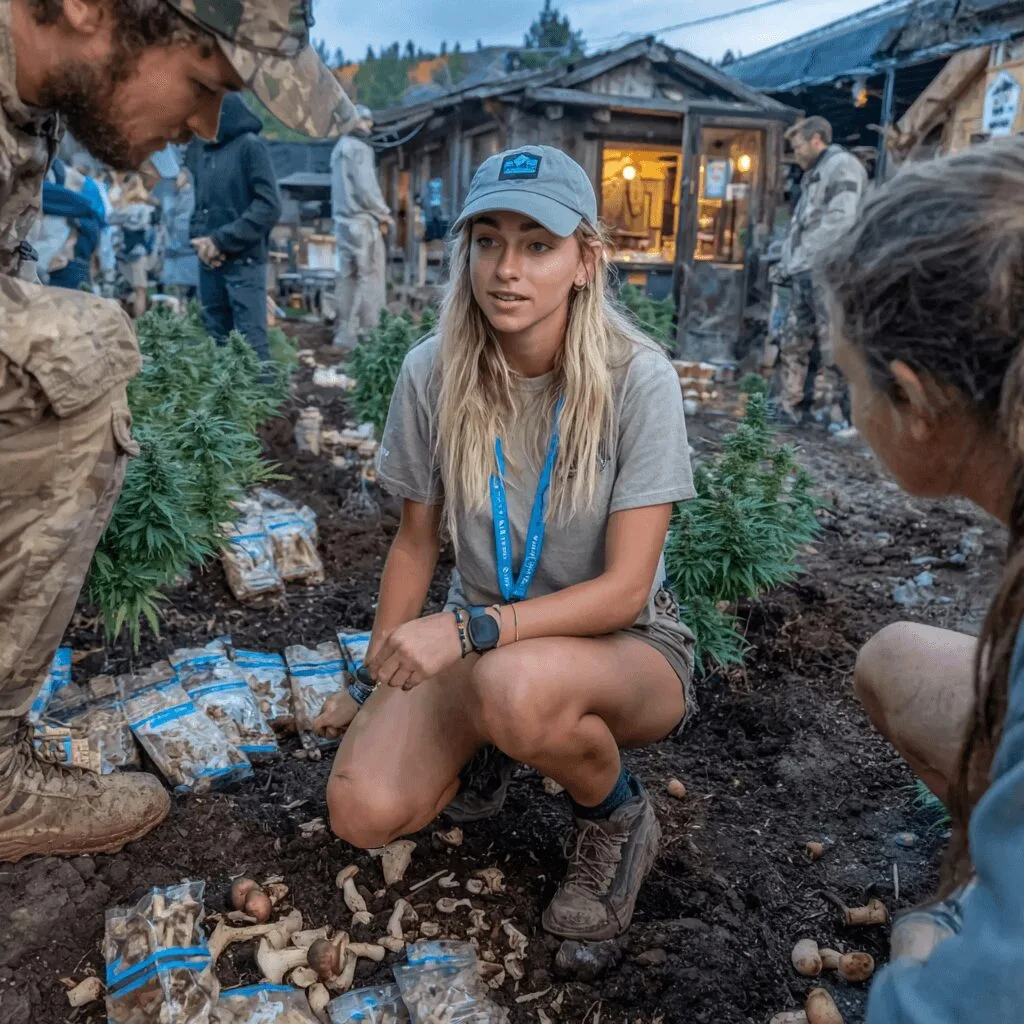
According to a recent Mongabay report, the environmental impact of psychedelics extends far beyond what most users might guess. The spike in demand for natural psychedelics, such as magic mushrooms, mescaline cacti, and ayahuasca, has put stress on wild stocks. Peyote, for example, is already listed as vulnerable due to overharvesting, especially in Mexico and the U.S. Southwest. International trade in ayahuasca has led to increased deforestation of Amazonian plant species used in ceremonial brews, with relentless harvesting threatening native ecosystems. For a closer look at how mushrooms themselves are transforming, you might find it interesting to explore recent advancements in psilocybin evolution in mushrooms and their implications.
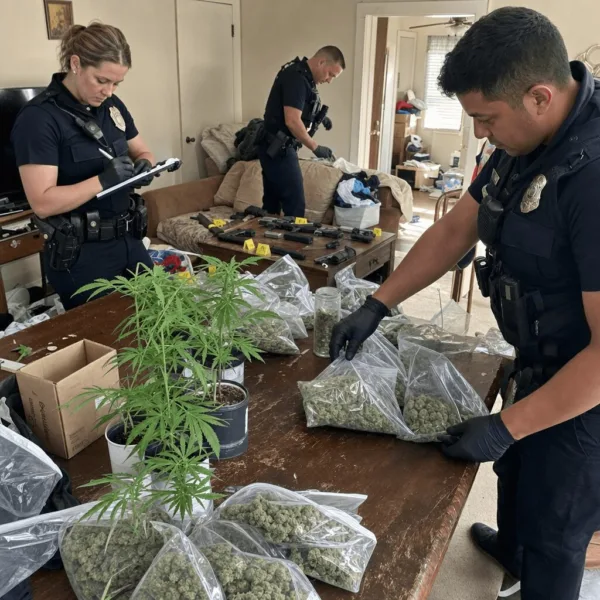
Meanwhile, the commercial mushroom sector rides the wave of regulated psilocybin in Oregon and the decriminalization boom in cities like Denver and Oakland. Industrial-scale grows create issues like agricultural runoff, energy-hungry climate control systems, and growing volumes of post-cultivation waste. And don’t forget the cannabis connection, as legal cultivation, while cleaner than illicit outdoor grows, still consumes massive amounts of energy for lighting, water for irrigation, and produces piles of non-biodegradable packaging waste. According to Forbes’ environmental review of the cannabis industry, one kilogram of indoor-grown cannabis can generate as much CO2 as driving a car for nearly 3,000 miles.
There’s also a brand-new wave of synthetic psychedelics, including lab-made psilocybin and LSD. These compounds sidestep the risks of overharvesting but introduce new challenges, such as chemical waste disposal and the carbon footprint of pharmaceutical manufacturing. As the psychedelic market matures, these diverse impacts are starting to be acknowledged in conversations about sustainability and social responsibility.
Behind the Curtain: Expert Analysis & Insights on the Environmental Impact of Psychedelics
So, what does it all mean? As a cannabis industry vet, it’s clear that the environmental impact of psychedelics shares some eerie parallels with early cannabis commercialization. Once motivations shift from personal healing to profit, industrial scale ups lead to bigger footprints, both literally and figuratively. Additional concerns about product safety, like those surrounding impaired driving and public health in the context of cannabinoids, have been explored in topics such as the risks of THC and cannabis-related driving incidents. But there are some bright spots. Large companies like COMPASS Pathways and Field Trip Health are starting to invest in sustainable sourcing and closed-loop manufacturing, responding to investor pressure and consumer awareness.
Dr. Ethan Russo, a well-known cannabis and psychedelics researcher, sums it up best: “If our move toward mainstream psychedelics is to be truly conscious, environmental stewardship must be at the core.” (Psymposia)
Industry leaders and advocacy groups are calling for standardized growing protocols, environmental impact assessments, and fair-trade models for wild-harvested psychedelics. According to a recent academic study published in Nature, responsible sourcing and low-energy cultivation practices can reduce the environmental impact of psychedelics while supporting local communities. Some experts recommend integrating Indigenous knowledge, which naturally prioritizes regeneration and ecosystem health, into mainstream production models.
Looking Ahead: Future Outlook & Conclusion for the Environmental Impact of Psychedelics
Here’s the real deal: The environmental impact of psychedelics isn’t going away. But as we’ve seen with cannabis, industry advocacy, smarter regulation, and an educated consumer base can drive huge improvements. The push for cleaner grows, recycled packaging, and transparent supply chains is gaining steam. With Oregon’s regulated psilocybin market setting a global example, the future of psychedelics could become both greener and more inclusive if we keep the momentum going.
Recent analysis from STAT News points out how legal reforms can boost best practices and keep sustainability in focus. As psychedelics go mainstream, the environmental impact of psychedelics deserves a permanent spotlight. Overall, I’m betting that the next chapter in plant medicine can be both mind-expanding and eco-conscious—if we all do our part and call out the hard truths when they show up.
Originally reported by: news.mongabay.com



2 Comments
Pingback: Psilocybin Antipsychotic Cotherapy: Transforming Treatment Safety
Pingback: Inside the World of Cannabis Nuns California: Their Untold Journey