Australia household spending surges—what’s driving the boom?
If you’ve been wondering why your mates seem to be splashing out at checkout or adding a couple of unexpected items to the weekly shop, you’re not alone. The discussion around Australia household spending is heating up, with spending patterns hitting fresh highs and shaking up the domestic market. With inflation sticking around like that one friend who won’t leave and the cannabis community finding its groove more at home, it’s the perfect time to unpack what—and who—is fueling this spend-up. The latest numbers aren’t just about buying more, they’re about how evolving tastes, regulations, and even a few surprise goods are changing family budgets across the country.
Background: The Changing Face of Australia Household Spending
Over the past few years, Australia household spending has seen dramatic shifts, thanks to a wild blend of macro influences. Rising costs of living, regulatory changes, and shifting household priorities have all played their part. Since the pandemic, Australians have reoriented budgets toward essentials, tech, and holistic wellness, categories that, uniquely, sometimes overlap with legal and social changes around cannabis. According to Australian Bureau of Statistics data, monthly household spend has surged in sectors including groceries, personal health, and recreation, reflecting a wider embrace of alternative wellness products. At the same time, Australia’s regulatory environment is evolving. States like Victoria and the ACT have pioneered progressive cannabis policy, with approaches designed to blend responsible use with harm minimization, as detailed by the federal Department of Health. Social acceptance is rising, too, as families see everyday wellness and budgeting through a less traditional lens. The conversation about what belongs on kitchen tables, next to the bananas and bread rolls, is broader than ever.
The landscape shares similarities with recent stories of law enforcement actions and community impact, such as when authorities in regional areas have seized both cannabis and illicit drugs during police raids. This highlights how drug policy and household priorities frequently intersect, a dynamic spotlighted in a recent report on police activity and cannabis seizures.
Current Developments: What’s Actually Happening to Australia Household Spending?
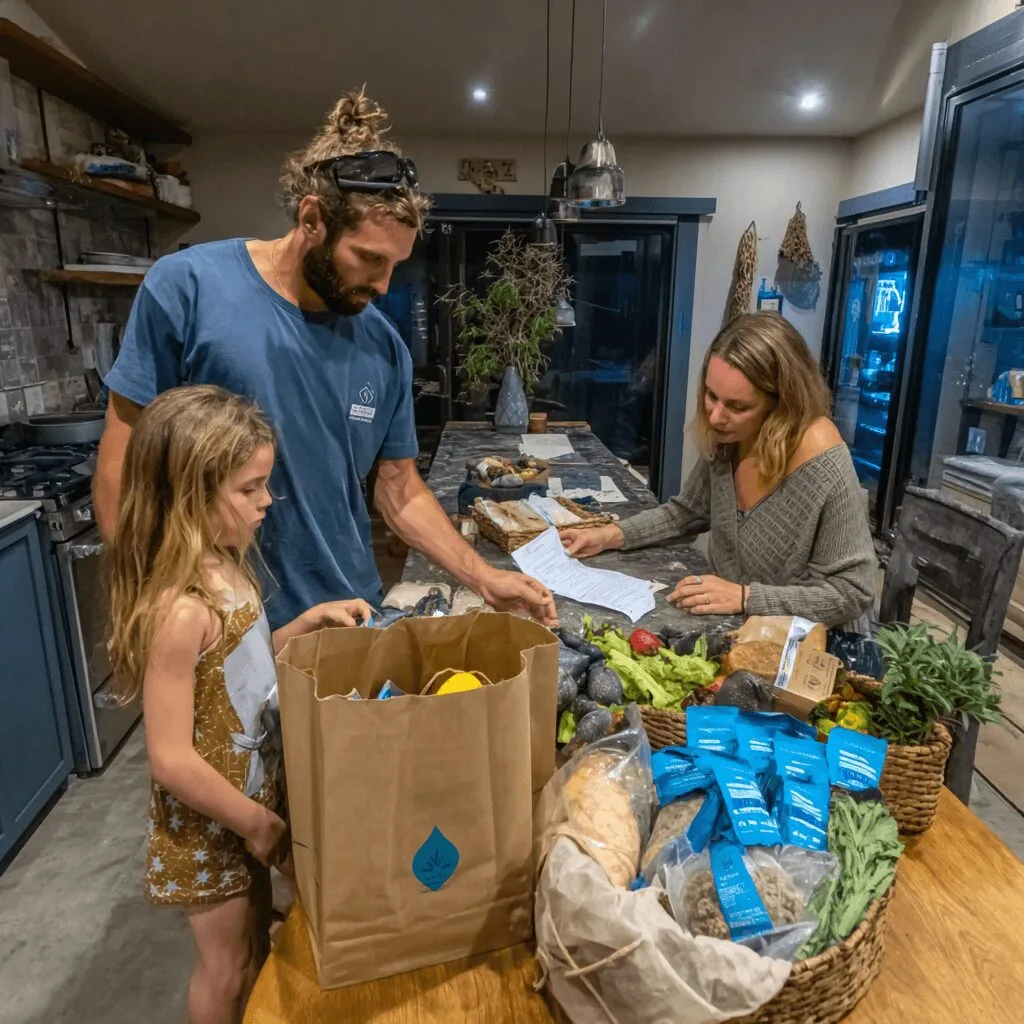
Let’s get real about the facts. According to Reuters, Australia household spending shot up sharply in the third quarter of 2025, far outpacing official predictions. Driven by robust consumer demand, the annualized increase spiked above 5%, the highest in over a decade. Shoppers are investing more in groceries, personal care, wellness products, and experiential categories. Affordability pressures from inflation have changed what gets prioritized, but interestingly, this hasn’t slowed spending overall.
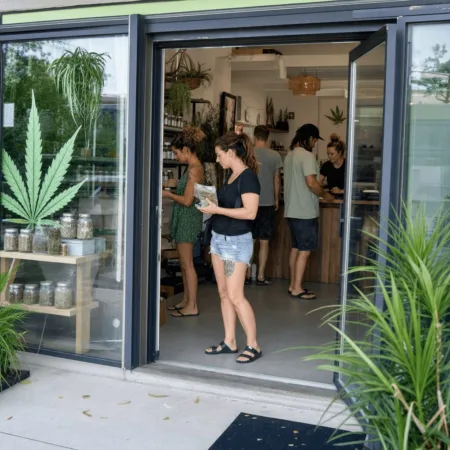
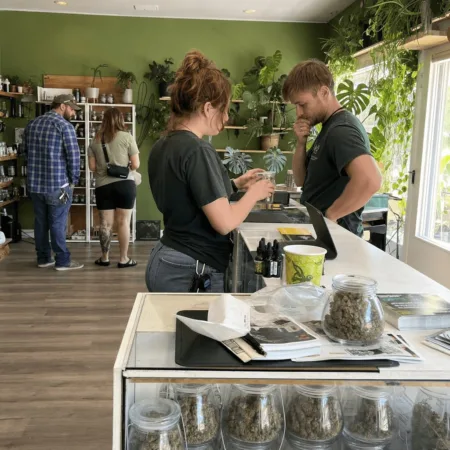
What’s new? Some of that spend is trickling into cannabis-adjacent products, like CBD edibles and household plants, which are finding their way into mainstream shopping baskets. Businesses such as Greenfield Growers and local dispensary chains have quietly reported upticks in these legal sales, in line with Cannabis Place Australia‘s industry spotlights. These consumer trends echo changes observed after regulatory milestones, similar to policy expansions in other markets that have broadened access and choice for consumers. All this comes as policymakers debate new tax and regulatory tweaks that could bring more clarity, and maybe even lower prices, for everyday households using legal cannabis products. These shifts point to a broader change in how Australians view wellness, responsibility, and the role of cannabis in a regular household budget.
Expert Analysis: Cannabis, Culture, and the New Normal in Household Spend
So what’s it all mean for the industry, families, and cannabis culture at large? In short, we’re seeing a mainstreaming of cannabis alongside overall growth in Australia household spending. According to a recent Leafly Australia report, even modest regulatory updates produce ripple effects, encouraging households to try new, regulated wellness products.
Jane Harris, veteran analyst at Cannabis Australia Council, puts it bluntly: “Cannabis is becoming as normal as your morning flat white or the kids’ soccer gear when it comes to household purchases, family priorities are evolving to focus on wellness, convenience, and trusted legal products.”
Industry leaders note that people are looking for ways to stretch budgets without losing out on quality of life, and that includes discretional wellness choices. While the normalization of cannabis results in positive changes, some concerns have also emerged in community conversations, such as the potential mental health effects among younger demographics. This ongoing debate around responsible use is highlighted in discussions about adolescent consumption and psychiatric impacts. Australia household spending stands out for its unique embrace of community-driven choices, valuing both physical and mental wellbeing, which is supported by legal product availability as outlined by Sydney Morning Herald’s cannabis outlook.
What’s Next? Future Trends in Australia Household Spending
Looking ahead, I’ve got my vape pen in one hand, optimism in the other: the evolution of Australia household spending will keep picking up momentum. More families are coming around to balanced wellness, open conversations, and evidence-based regulation, with cannabis inching closer toward normalization in everyday life. Regulatory clarity—always the holy grail—now looks within reach as more policymakers recognize the mainstream role of alternative wellness products.
Australians are likely to see even more savvy household options, better information, and open public debate as the market matures. With influential agencies like the Therapeutic Goods Administration paving the way, there’s every reason to expect smarter, safer choices for all. The positive upshot? When it comes to Australia household spending, there’s never been a more interesting—or inclusive—time to be watching the numbers tick up.
Originally reported by: reuters.com