


Arkansas Highway marijuana seizure: Massive Bust on I-40
The Arkansas Highway marijuana seizure is making headlines across the state and beyond. In an industry that’s constantly evolving, any time a cannabis-related bust happens—especially this big—it gets people talking. Right now, the clash between state regulators, law enforcement, and the cannabis community is under the microscope like never before. As legalization and decriminalization ripple across the country, the Arkansas Highway marijuana seizure story brings both progress and persistent stigma to the forefront. We’ll break down this incident, why it matters, and what it signals for the wider industry, from regulation to public opinion.
Understanding the Climate: Regulations, Roadways, and Realities
Arkansas’ cannabis laws are a patchwork of medical allowances and strict enforcement for anything outside its regulated system. While medical marijuana has been legal in the state since 2016 (Marijuana Policy Project), interstate transport and unlicensed possession are still serious crimes, gunning for headlines and heavy penalties. Federal laws also add another layer, as cannabis remains illegal across state lines under the Controlled Substances Act according to the Drug Enforcement Administration. This context, tight local oversight, federal contradiction, and tense borders, makes events like the Arkansas Highway marijuana seizure more than just news; they’re public battlegrounds for the soul of American cannabis reform. Socially, there’s been a shift: Pew Research reports over 88% of Americans endorse some form of legal cannabis (Pew Research Center). However, consumer access to wellness-focused cannabis products, such as those that could provide relief for oral pain, continues to be a challenging topic for many states, as detailed in recent discussions on science-backed relief and wellness. But as this incident shows, the road to mainstream acceptance is still filled with speed bumps and stop signs.
Busting the Bags: What Happened on the Arkansas Highway
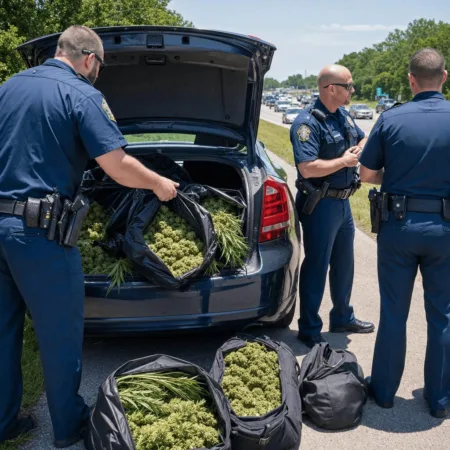
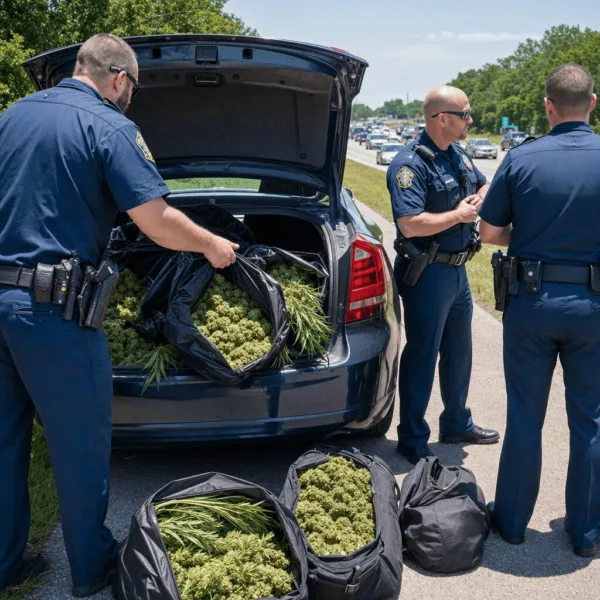
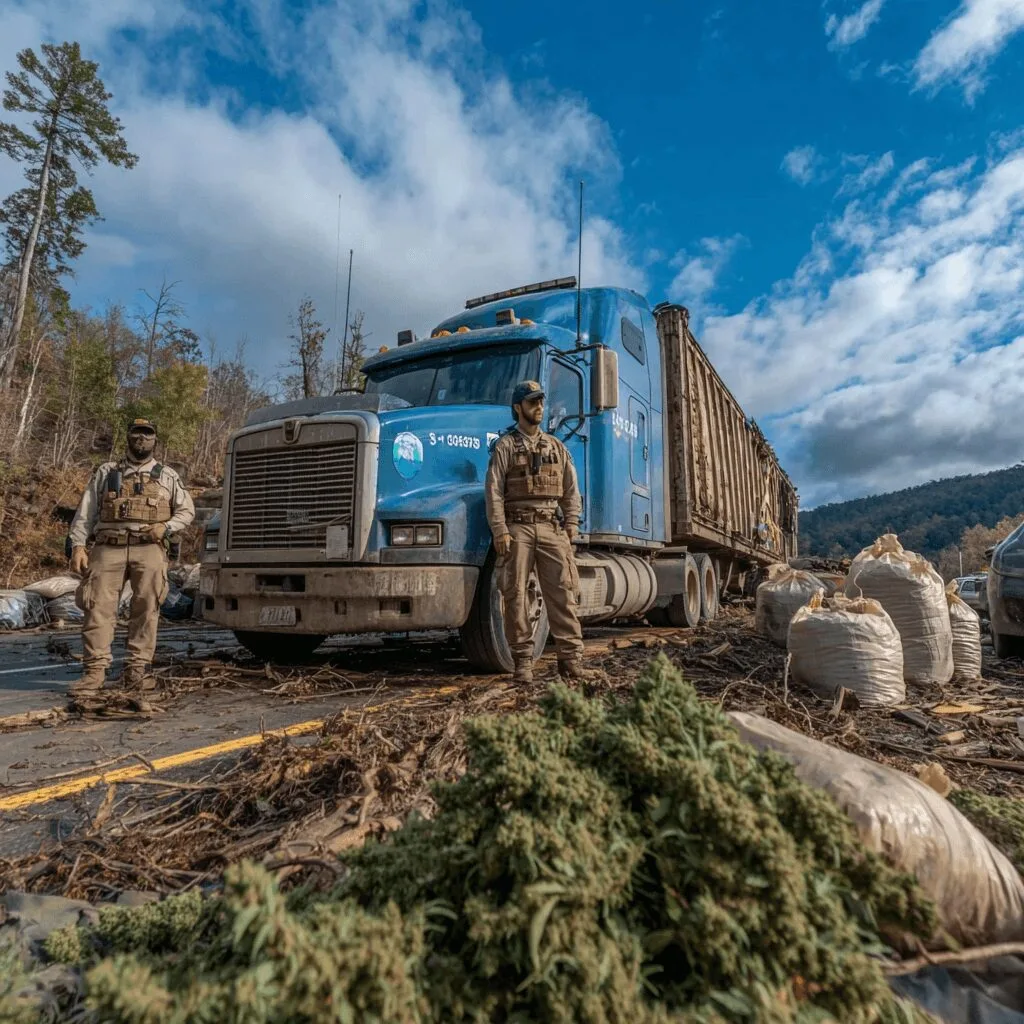
On October 13, 2025, Arkansas Highway Police made a considerable haul along Interstate 40, seizing an alleged 3,000 pounds of cannabis, stashed in multiple industrial-sized bags. The driver, reportedly headed west, was pulled over late in the afternoon on a rural stretch where vigilance is high, especially with freight that looks suspiciously off manifest. News coverage by NWA Online confirms the operation happened during broad daylight, with officers quickly uncovering the stash after routine questioning. The semi-truck’s load, once uncovered, left little doubt for law enforcement: This was a sizeable Arkansas Highway marijuana seizure, prompting arrests and charges under stiff state drug trafficking laws. While the company name behind the shipment hasn’t been released, police sources have stated the investigation will likely uncover ties to out-of-state operations, increasing legal stakes and drawing attention from federal agencies. Stories like these often echo the impact of regulatory challenges faced by cannabis businesses, not unlike what was seen in the recent closure of an advocate-run business that left its community reeling. The news has sent ripples through Arkansas’ tightly-regulated medical market and fired up the never-silent debate between prohibitionists and reform advocates.
Expert Take: The Real Impacts and Larger Cannabis Conversation
Big busts might sound dramatic, but what do they really signal? For one, incidents like the Arkansas Highway marijuana seizure highlight the massive gap between consumer demand and the reality of legal access, especially in southern states like Arkansas. As veteran cannabis historian and author Emily Dufton has observed: “Where prohibition persists, the market doesn’t disappear—it just goes underground” (Leafly Interview with Emily Dufton). The sheer size of this seizure tells you there’s robust demand that local laws aren’t meeting. Moreover, the ripple effects hit everyone: Legitimate Arkansas dispensaries see an image problem, while legacy market players face heightened risks, and patients get caught in the middle. National cannabis analyst Amanda Reiman notes, “When enforcement is uneven but demand is steady, supply routes simply shift, not dry up” (Marijuana Moment). And as emerging research explores surprising links between genetics and mental health outcomes among cannabis consumers, the debate over policy grows even more complex, illustrated by analyses like those found in the surprising connection between cannabis genetics and mental health. In short, busts like these put a temporary freeze on supply chains but rarely cool the larger cultural momentum pushing toward smarter regulation.
Looking Ahead: The Road Forward for Cannabis in Arkansas
The Arkansas Highway marijuana seizure may be headline-grabbing, but it’s only a snapshot of a rapidly changing landscape. As more states move toward legalization, events like this prompt tough, necessary conversations about drug policy and public safety. While enforcement will likely stay strong for interstate movement, the national trend is clear: Restrictive laws are slowly giving way to consumer-driven, health-centered regulation—backed by data and supported by voters. Just look at the National Organization for the Reform of Marijuana Laws and the inroads made at the federal level in 2024 alone. If society’s learning anything from episodes like the Arkansas Highway marijuana seizure, it’s that the future favors open dialogue, sensible reform, and respect for both the plant and the people. With every headline, the door creaks open a little wider.
Originally reported by: nwaonline.com