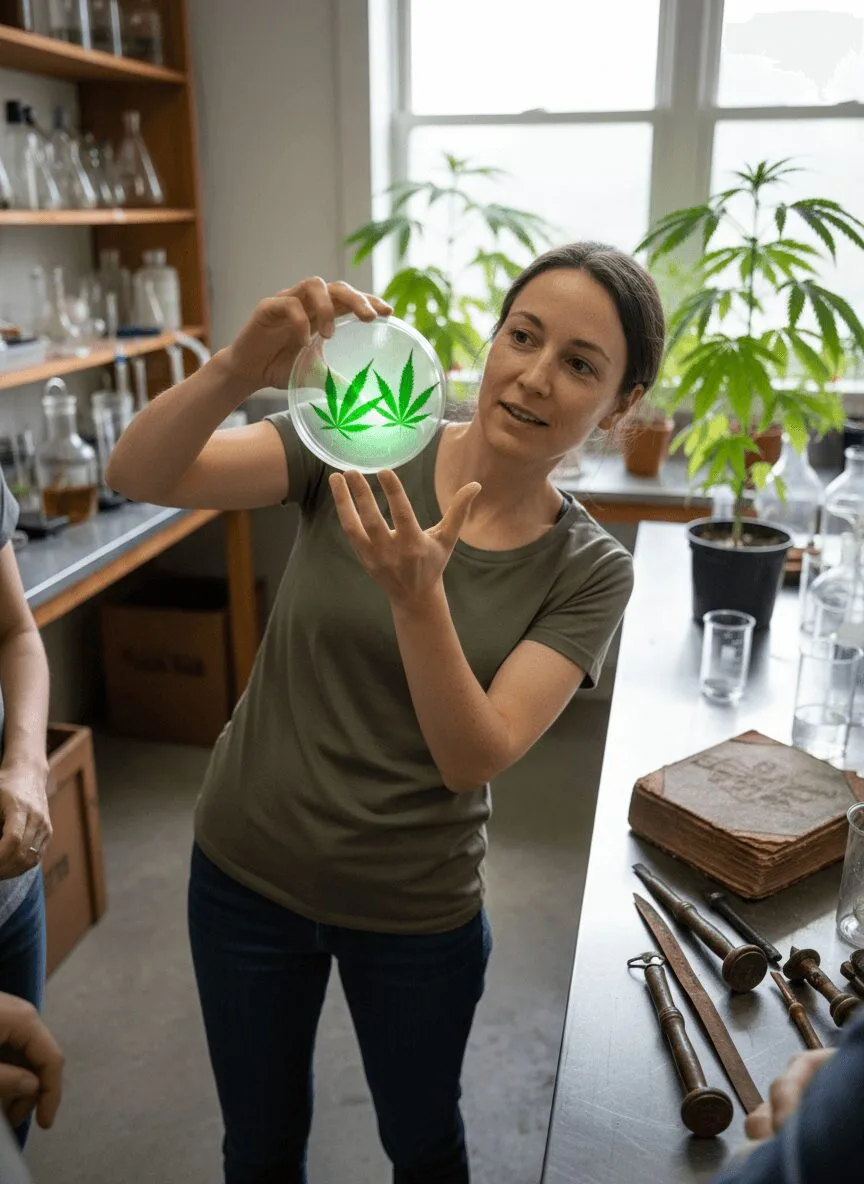
Ancient Cannabis Enzymes: Unlocking Revolutionary Drug Power
If you’re tuned into the cannabis scene—or even just health news—you’ve noticed the buzz. Innovators are digging deep (literally) and unlocking new secrets from ancient cannabis enzymes, changing what we know about plant-based medicine. This moment matters: researchers are uncovering ancient biosynthetic pathways in cannabis, potentially revolutionizing how we craft high-potency, precisely calibrated medical therapies. The industry is at the edge of unprecedented discovery, as science, culture, and regulations wrestle for the spotlight. We’ll break down what ancient cannabis enzymes mean for the future of cannabinoids, the legal landscape, and real-world medical advances.
The Roots Beneath: Regulatory and Social Context for Ancient Cannabis Enzymes
Let’s be real, cannabis legalization is no longer just wishful thinking, it’s shifting policy and mainstream acceptance in the U.S., Canada, and beyond. Pew Research Center finds that the majority of Americans support some form of legalization. This rising tide is paving the way for deep genetic and biochemical exploration, including research into ancient cannabis enzymes. Recent regulatory moves by federal and state agencies have started supporting advanced cannabis research—such as the DEA’s expanded licenses for cannabis cultivation for research, and Health Canada’s streamlined scientific access guidelines—while newly implemented state programs like those making legal relief available in Alabama (see which dispensaries are open) show how the landscape is evolving. Meanwhile, social perceptions continue to improve, driven by stories of transformative medical impact and a growing, educated consumer base demanding more transparency, consistency, and efficacy from their products. So, the discovery and development of ancient cannabis enzymes isn’t just a nerdy science thing, it’s a direct response to a maturing market hungry for safer, smarter, and more personalized plant medicine.
Ancient Cannabis Enzymes: Big Discoveries and Their Ripple Effects
So, what’s the real headline? A recent breakthrough published by New Atlas details how scientists have pinpointed key enzymes in ancient cannabis that turbocharge the plant’s ability to generate unique cannabinoids. By digging into the DNA and reconstructing these old-school enzymes, researchers are opening doors to rare and powerful compounds, many with promising medicinal properties. The team, led by experts at the University of Lausanne in Switzerland, uncovered centuries-old enzymes that help synthesize cannabinoids never before mass-produced or easily extracted. In practical terms, companies can now engineer yeast or bacteria to express these enzymes, making it way easier, and cheaper, to create high-value medical molecules. With ancient cannabis enzymes now part of this equation, the next generation of cannabis medicine could be more consistent, potent, and tailored to individual patient needs. As industry outlets like Marijuana Moment have reported, these findings could disrupt global production chains and shift the economic center of cannabinoid development to labs rather than farms. As the regulatory environment shifts in places like California, industry watchers are already preparing for new leadership and evolving policy (leadership changes could have far-reaching effects). Suddenly, what was once a slow, expensive extraction process might become a model of scientific efficiency and creativity.
Expert Insights: Why These Ancient Cannabis Enzymes Are a Game Changer
Let’s unpack why this matters. First, ancient cannabis enzymes allow us to dial in rare cannabinoids—think CBG, THCV, or even totally novel molecules—for very specific clinical needs. As Dr. Ethan Russo, neurologist and cannabis researcher, notes: “Breeding and discovering new cannabis pathways finally lets us abandon a one-size-fits-all approach to plant medicine.” This is seismic for patients with conditions like chronic pain, epilepsy, or even mental health hurdles—conditions where standard pharmaceuticals often fall short. Harnessing these enzymes helps companies manufacture these compounds more purely, dodge environmental contaminants, and circumvent lengthy, unpredictable grow-cycles. At the industry level, it spells a new era where R&D and biomanufacturing drive the market, not just cultivation skill or scale. Global firms are beginning to patent unique enzymes and biosynthetic methods (find ongoing trends and challenges as clinics adapt in light of changing medical access), hinting at massive investments and, yeah, some inevitable legal jousting over biological intellectual property rights. This turning point in cannabis science goes well beyond hype, marking a legit transition from a cottage craft to a precision-engineered industry.
The Road Ahead: Hope and Hype for Ancient Cannabis Enzymes
Looking at the momentum, it’s clear ancient cannabis enzymes could create a golden age for both science and patients. We’re entering an era of smarter regulations, investment in groundbreaking research, and normalization of plant-derived medicine. It’s not just industry wonks saying this—recent peer-reviewed studies confirm the shift toward acceptance and tailored cannabinoid therapy. The next few years promise more clinical trials, more medical breakthroughs, and more collaboration between biotech firms and regulators. As the stigma fades, ancient cannabis enzymes are set to empower discovery, dignity, and whole-plant healing for everyone. Stay tuned—this is just the beginning for cannabinoid research and the global cannabis community!
Originally reported by: newatlas.com