Alachua County jail bookings: See Who Was Booked Today
The conversation around Alachua County jail bookings is hotter than ever, thanks to the shifting landscape of cannabis laws, lively policy debates, and a wave of community scrutiny. Recent headlines, data, and real-life stories are putting a spotlight not just on arrests, but on the bigger implications for the cannabis community. Whether you’re new here or a seasoned advocate, understanding how these bookings shape local narratives around regulation, rights, and reform is crucial. Let’s break down what’s happening, why it matters, and how it reflects surprising realities for everyday people, especially regarding cannabis policies and the evolving justice system in Alachua County.
Background: Cannabis, Local Law, and Alachua County Jail Bookings Reality
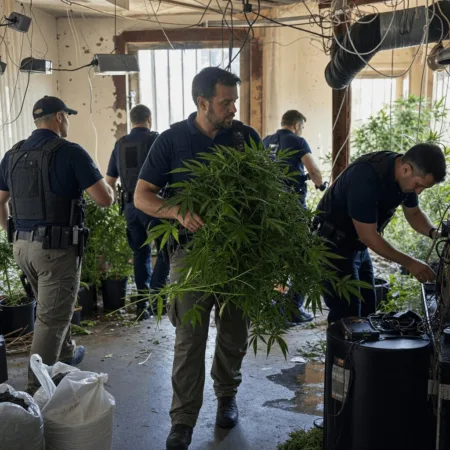
For cannabis advocates, the details behind Alachua County jail bookings reveal a fascinating snapshot of evolving local policy. As NORML and other advocacy organizations highlight, Florida’s cannabis laws remain strict, despite legalization trends across the country. Simple possession can still trigger legal consequences, even as state and federal conversations around reform heat up. According to Florida Statutes 893.13, small-scale possession is a misdemeanor, often leading to jail bookings, hefty fines, or community service. Meanwhile, Alachua County, set in a region filled with vibrant cannabis-friendly activism and a diverse population, serves as a microcosm for larger national trends. In the broader context of marijuana-related incidents and law enforcement, some community conflicts—such as those involving threats or property disputes—demonstrate how cannabis issues intersect with everyday life. For an example from another state, see recent community responses to cannabis-related confrontation. Most people booked for cannabis are everyday folks navigating complicated legal territory. These bookings often reflect broader systemic issues, including cash bail, racial disparities, and a patchwork approach to justice, highlighted by recent research from the ACLU and Drug Policy Alliance. The consequences for individuals caught up in Alachua County jail bookings ripple through families, workplaces, and the wider cannabis community.
Key Developments: Who’s Getting Booked, and for What?
Diving into today’s Alachua County jail bookings, there is a tapestry of individuals, some facing accusations tied to minor possession and others tangled in more complex situations. According to Alachua Chronicle, recent logs from March 13, 2026, display a deep variety of names, charges, and circumstances. Charges range from small personal-use amounts to alleged distribution, much of the activity rooted in enforcement of Florida’s current statutes. Data from the U.S. Immigration and Customs Enforcement and Florida’s own sheriff’s offices paint a picture of regular bookings for cannabis-related infractions. The reality goes deeper—many people end up in the system not for dangerous criminal activity, but due to technical or circumstantial violations driven by outdated laws. These types of community policing situations also spark local debate elsewhere, as seen in neighborhood marijuana-related arrests in Tennessee. These ongoing bookings add fuel to the push for modernization and reform in Alachua County and across Florida. Ultimately, it’s a timely snapshot of regulatory policies lagging behind public opinion, as reflected in the state’s most recent legislative sessions (Florida Senate HB 800).
Expert Analysis: Why Alachua County Jail Bookings Matter and What They Mean for the Cannabis Movement
Seeing recurring cannabis-related Alachua County jail bookings can feel discouraging as public support for reform continues to skyrocket. But every arrest highlights gaps in policy and creates opportunities for advocacy. As Leafly senior editor David Downs notes, “These are the frontlines in the fight for fair cannabis law. Each booking reveals how far we still have to go to achieve rational policy.” Industry experts have long tracked how outdated approaches drive up costs not only for those booked, but also for taxpayers and strained legal systems. According to Marijuana Moment, Florida’s ongoing struggle with cannabis reform is in contrast to other regions with more progressive policies and regulated markets. Local advocates, as covered in recent Gainesville Sun reporting, emphasize that education, community engagement, and data-driven change are crucial for reshaping the system. Meanwhile, efforts in other communities to advance equity and support for Black-owned businesses face similar uncertainty and challenges, as demonstrated by the ongoing fight for equity within the cannabis industry in Colorado. Still, as pointed out by the Marijuana Policy Project, the pace of progress remains slow, even as support for adult-use legalization approaches 70 percent statewide. “There’s no reason why responsible adults should experience Alachua County jail bookings for simple cannabis possession in 2026,” adds Downs. “Consumers and patients deserve dignity, not criminal records.”
Outlook: Hope, Momentum, and the Path Forward
Despite frustrations around persistent Alachua County jail bookings, the winds of change are blowing stronger every year. Florida legislators, seeing overwhelming public support for legalization and decriminalization, face mounting pressure to update outdated statutes. According to a recent Pew Research poll, a majority of Americans—especially younger voters—support legal cannabis for recreational and medical use.
It’s not just about numbers; it’s about justice, community stability, and economic opportunity. Every story visible in the Alachua County jail bookings log is a reminder that the cannabis movement has real momentum, and change, while slow, remains inevitable. If recent years are any indication, Alachua County is poised to be a surprising bellwether for smarter, fairer cannabis policy in the state. So keep your eyes on the bookings, stay involved in advocacy, and know that the next round of celebrations might just happen in your backyard.
Originally reported by: alachuachronicle.com