

The ongoing reality of Aboriginal death in custody is grabbing national attention in 2024, spurring passionate debate and urgent calls for reform. High-profile incidents in Adelaide have put this issue back in the spotlight, challenging the cannabis industry and broader community to reconsider the deeper connections between policing, policy, and civil rights. This article unpacks why Aboriginal death in custody remains so significant now, highlights recent developments, and looks at solutions through a pro-cannabis lens—because let’s be real, these moments push us all to think and act differently.
Unpacking the Roots: Background, Law, and Social Dynamics
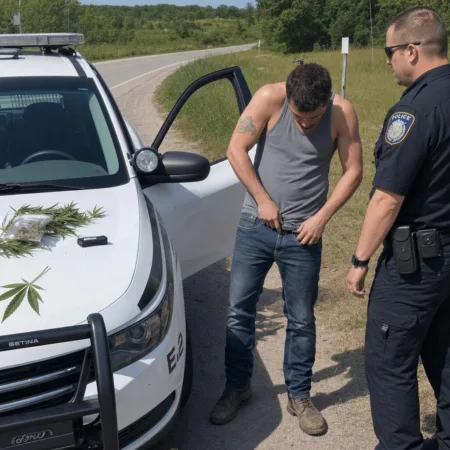
The story of Aboriginal death in custody stretches deep within Australia’s recent history, shaped by legislation, policing practices, and shifting community attitudes. In the wake of the Royal Commission into Aboriginal Deaths in Custody, and ongoing scrutiny by national watchdogs, the systemic over-policing of Indigenous Australians remains a hot-button topic. Key data from the Australian Institute of Health and Welfare show Indigenous people are disproportionately arrested, especially over minor drug offenses like cannabis possession. The persistent criminalization tied to small amounts of marijuana strongly echoes high-profile incidents and growing legal debates worldwide, similar to cases reviewed in Shocking Marijuana Traffic Stop Arrest Sparks Legal Debate in Nebraska. While recent reforms in some states have aimed to decriminalize or reduce penalties for cannabis, South Australia still relies on strict policing, which researchers and advocates suggest significantly increases risks for marginalized groups. Social debates often echo calls from the Australian Human Rights Commission, stressing the urgent need for systemic change, not just better laws but empathy, harm reduction, and a shift in policing priorities.
The Incident: Key Facts & What Really Happened
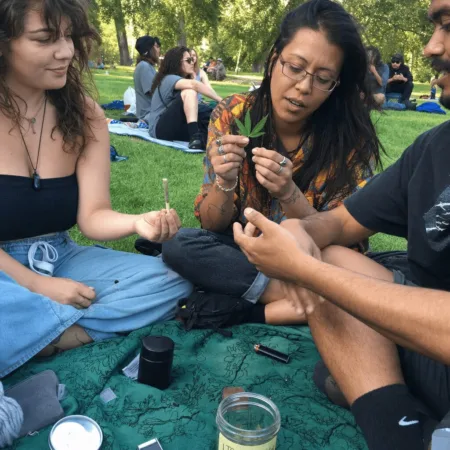
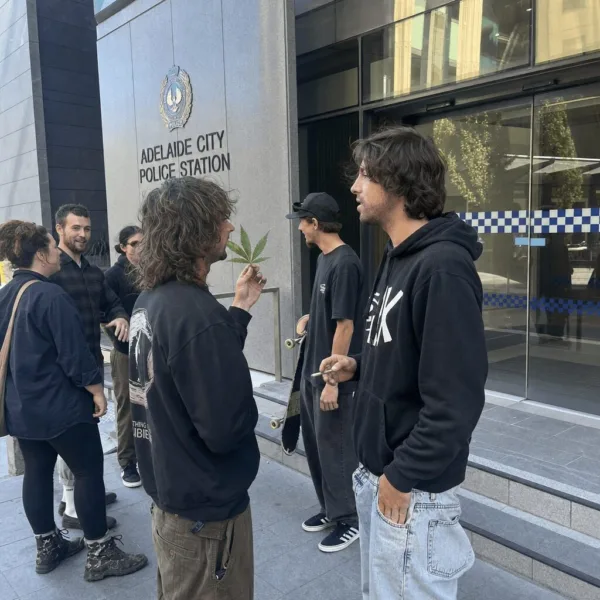
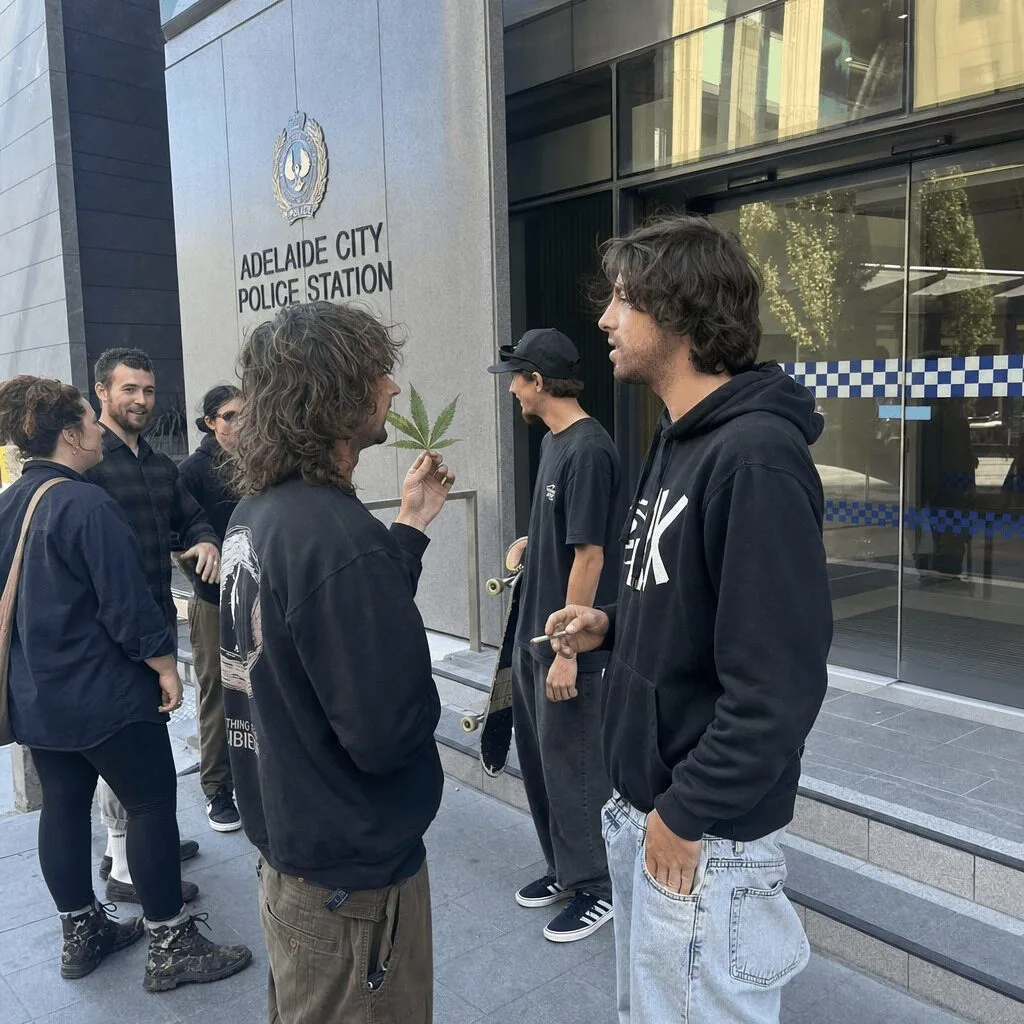
The catalyst for the latest outcry was the tragic Aboriginal death in custody at an Adelaide police station, according to recent media investigations (ABC News, 2024). Two men were detained in the Adelaide CBD after a small group drew police attention, reportedly due to suspected cannabis possession—a scenario that experts say reflects recurring patterns across Australia and resonates with what we’ve seen in recent police stops emphasizing the risks for marginalized cannabis users. Eyewitness accounts reveal one man was seen discreetly holding a cannabis leaf, while another was rolling a joint. Despite complying, both were subjected to aggressive questioning and subsequently taken into custody. Hours later, the Aboriginal man tragically died under unclear circumstances. Details around in-custody care, response times, and police conduct are still under investigation by the South Australian Coroner. Major community organizations and Indigenous leaders have condemned the event and are calling for greater transparency, broader justice reform, and immediate steps to address the repeated risks Indigenous people face in police custody. Industry sources, such as The Canberra Times, connect this tragedy to renewed efforts to decriminalize cannabis and reduce police-community friction.
Expert Analysis: What This Means for Cannabis and Justice Reform
Every time we hear about an Aboriginal death in custody, it’s a brutal reminder that cannabis policy isn’t just a legal debate—it’s a life-or-death issue for some. Leading advocates like Fiona Patten, founder of the Australian Sex Party turned vocal cannabis reformer, explains, “Over-policing of minor drug offenses directly fuels avoidable tragedies. The path forward is clear: focus on harm reduction, not punitive enforcement.” (The Age). Legal think-tanks such as the Griffith Law School highlight that Indigenous Australians continue to experience higher arrest rates for cannabis, fueling cycles of custody and systemic neglect. Harm reduction groups consistently argue that no one should face prison, or worse, lose their life, over the simple possession of a plant—especially one as widely used as cannabis. The urgency of such reforms is echoed in many places beyond Australia, including reports on Inside the Latest Central Texas Drug Arrests, where policing approaches trigger similar societal questions. These voices back up the call for reforms that go beyond incremental tweaks, aiming for real, structural change in how cannabis is viewed, regulated, and policed. At the same time, they urge everyone to confront the bias in who gets targeted, and why.
The Road Ahead: Change, Hope, and Cannabis Justice
As the country reels from another Aboriginal death in custody, bold conversations about cannabis, policing, and justice reform are finally taking hold in mainstream spaces. While no quick fix can undo the harm, a growing chorus of leaders—from grassroots activists to legal scholars—are demanding an overhaul of cannabis laws, fairer policing, and more compassionate systems. According to the SBS National Pulse survey (2024), most Australians now support legalizing cannabis, hinting at a major cultural shift. If implemented, these changes could dramatically reduce contact between Indigenous communities and police, lowering the tragic risk of deaths in custody. Every new tragedy is a rallying cry: it’s time for smarter drug policies, safer communities, and justice that truly serves all Australians. The cannabis community will keep fighting—not just for the plant, but for the people most at risk of injustice.
Originally reported by: dailymotion.com