



Psychotic depression gaming cannabis: A risky connection?
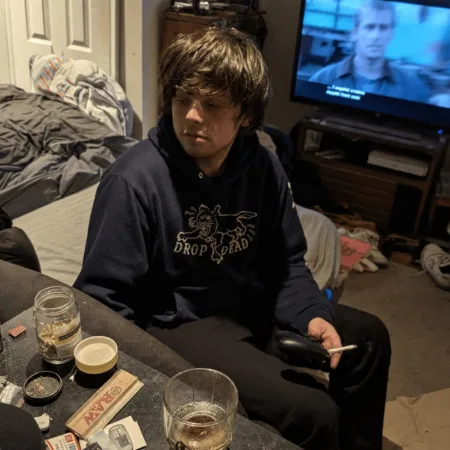
With more young adults turning to both gaming and cannabis, the intersection of mental health and lifestyle choices is under a sharp microscope in 2024. Recent studies are raising concerns over the link between psychotic depression, compulsive gaming, and cannabis use. The psychotic depression gaming cannabis conversation has never been more relevant. In this article, we break down what you need to know about the latest science, public debate, and industry response.
Understanding the Landscape: Regulations, Social Factors, and the Psychotic Depression Gaming Cannabis Issue
The psychotic depression gaming cannabis issue is layered with challenges. Regulators in places like the United States and Canada continue to adapt cannabis laws to address evolving usage trends, especially among young adults (CDC data). At the same time, public perception has shifted towards broader acceptance of regulated recreational use. Social stigma around mental health has eased as conversations about depression, anxiety, and gaming disorder gain traction worldwide (World Health Organization). In communities where cannabis-related events and workplace dynamics intersect, as seen in recent California State Fair workplace stories, the convergence of intense gaming, cannabis consumption, and untreated psychotic depression raises tough questions for both policymakers and healthcare workers. As mental health clinicians note rising rates of co-occurring disorders, communities are calling for balanced, fact-driven dialogue. Insurance coverage, medical access, and harm reduction are hot topics among advocates.
Key Developments: What the Latest Science Shows About Psychotic Depression Gaming Cannabis
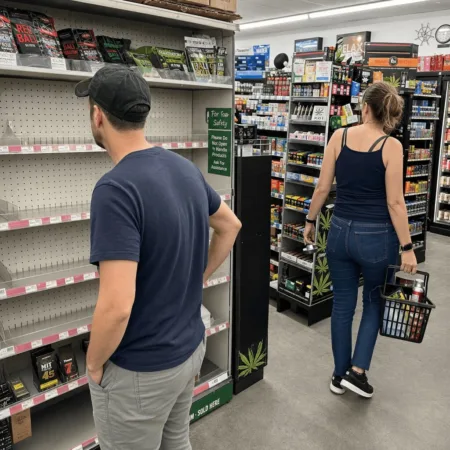
According to current peer-reviewed studies, there are measurable links between excessive gaming, cannabis use, and the risk of psychotic depression in some vulnerable individuals. Researchers highlight that environments blending intense online gaming and frequent cannabis use may intensify symptoms of anxiety, paranoia, and social withdrawal. Findings published in 1785000465 reveal particular vulnerabilities among users with pre-existing mental health challenges and genetic predispositions. Key relevant events such as changing regulations, including local bans that shape what’s available on store shelves (how local bans on kratom and synthetic THC shape stores), and the World Health Organization’s gaming disorder classification continue to reflect rising awareness. Industry leaders and healthcare professionals now face greater demand for evidence-based prevention and early intervention strategies. Clinics and university programs increasingly address these intersecting risks in young adults.
Expert Analysis & Cannabis Community Insights on Psychotic Depression Gaming Cannabis
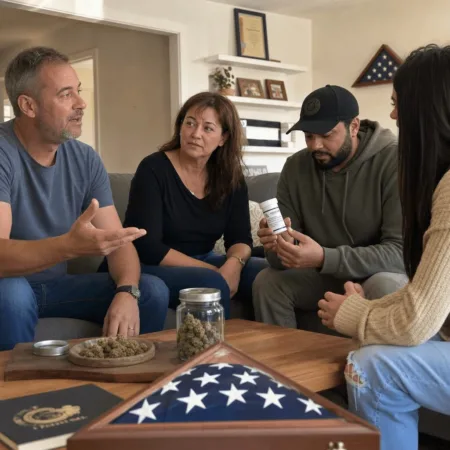
Let’s face it, cannabis culture thrives on pushing boundaries, but we’ve always balanced fun with responsibility. Experts stress the need to differentiate between moderate use and patterns that could exacerbate psychiatric symptoms. According to Dr. Ethan Russo, a leading cannabis researcher, “While the majority of adults use cannabis without issue, those with a history of psychotic disorders or depression should tread carefully and consult a medical provider” (Project CBD). Importantly, not all cannabis experiences are equal: strain, dosage, and context matter. Recent events, such as legal debates sparked by high-profile traffic stops (a legal debate in Nebraska), illustrate the complexity of the cannabis landscape. The psychotic depression gaming cannabis debate should encourage better education, not stigma. Industry veterans urge users to approach cannabis mindfully, especially in high-stress, high-stimulation environments like marathon gaming sessions. Harm reduction, clear product labeling, and open mental health conversations are key tenets of responsible advocacy in 1785000465.
The Road Ahead: Navigating Challenges with Openness
The psychotic depression gaming cannabis story isn’t one-sided—it’s a call for smarter, science-driven discussion. As more research emerges, the cannabis industry continues to champion harm reduction and personal autonomy. Social acceptance is growing, and regulatory improvements ensure safer access for adults while protecting vulnerable populations. State and federal agencies, health experts, and advocacy groups are joining forces to provide tools for informed decision-making (NORML). As we move forward, the cannabis community remains committed to building a future where mental health and enjoyment can coexist—without stigma or misinformation.
Originally reported by: pubmed.ncbi.nlm.nih.gov