

Kratom and Synthetic THC Ban: What the New Regulations Mean
It’s 2024, and the kratom and synthetic THC ban is seriously shaking up local markets and cannabis culture across the U.S. With convenience store shelves getting a sudden makeover, this move has sparked heated debates, legal drama, and fierce reactions from both advocates and opponents. Whether you’re a daily grinder or a casual consumer, knowing what’s behind this regulatory wave—and what it means for your local scene—is more important than ever.
Understanding the Regulatory Background of the Kratom and Synthetic THC Ban
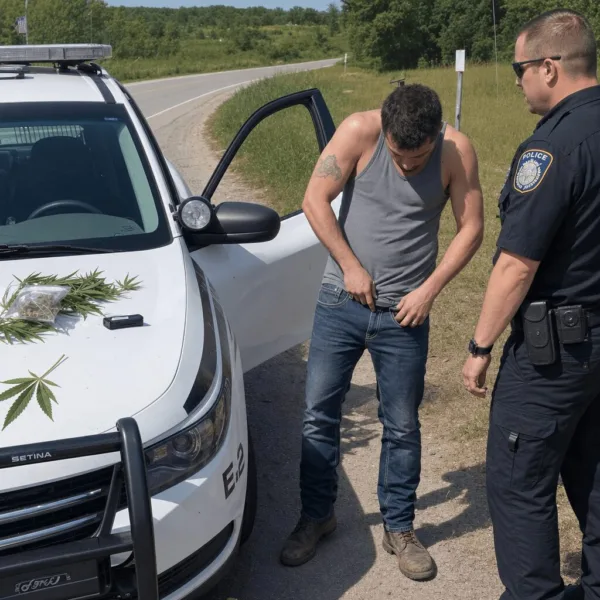
Kratom and synthetic THC have been controversial for years, living in a legal limbo that invited both innovation and confusion. Kratom, a tropical plant with opioid-like properties, has faced bans in several states due to safety and dependency concerns, while synthetic THC (including delta-8 and similar analogs) took off after the 2018 Farm Bill unintentionally let hemp-derived psychoactives hit the shelves (U.S. Congress). Now, as regulators scramble to catch up with rapid market evolution, local health boards, state lawmakers, and even federal agencies are moving to tighten rules. The social dynamic is just as mixed, with public health advocates warning of risks, and longtime industry voices advocating for smart, transparent labeling instead of outright bans. Meanwhile, major cannabis publications like Marijuana Moment regularly report on the confusing patchwork of state-by-state rules adding to the industry’s unpredictability. All this is unfolding against a backdrop of evolving consumer demand and shifting stigmas as Americans become more familiar (and comfortable) with both cannabis and its lesser-known plant cousins. The shifting tides of cannabis culture and regulatory tension can also be seen in situations where law enforcement practices create further confusion, which is echoed by legal debates following marijuana traffic stops in Nebraska.
Major Moves: Key Developments Behind the Kratom and Synthetic THC Ban
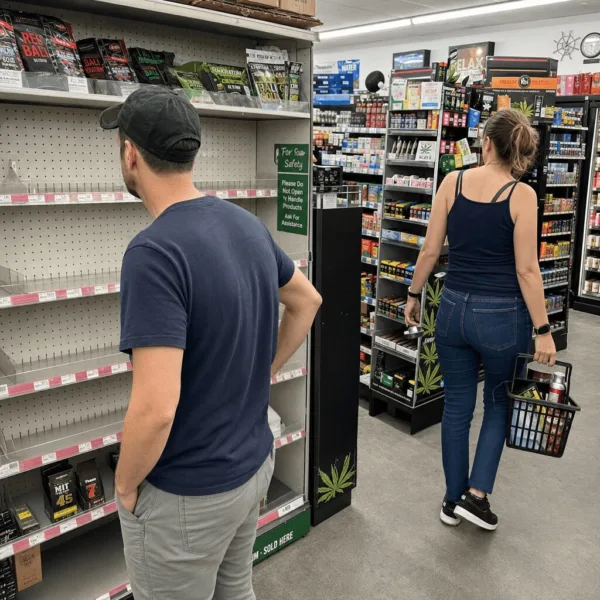
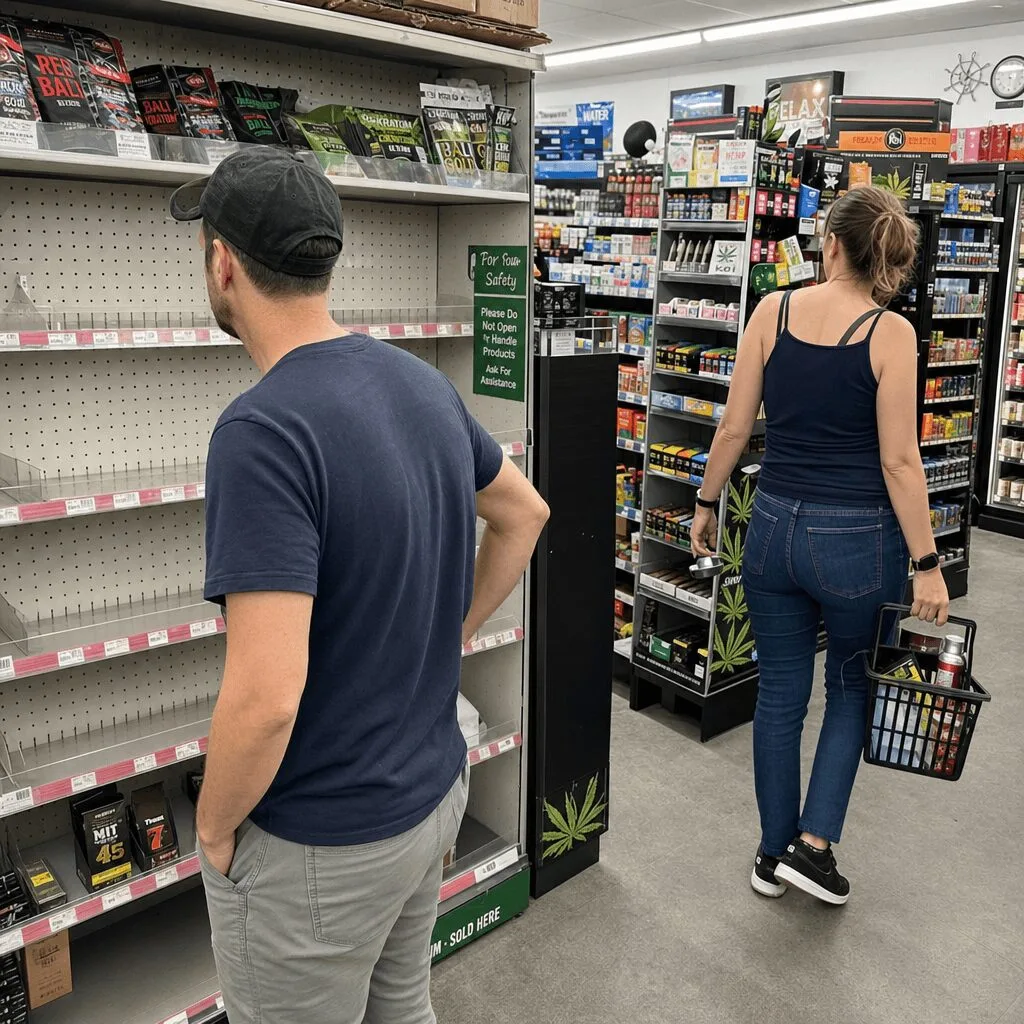
The latest big headline: Hopkinton, Massachusetts, just became the newest front in the kratom and synthetic THC ban story. According to a report by the Hopkinton Independent, the town’s Board of Health voted to ban the sale of kratom and synthetic THC products from local stores in 2024. This means retailers are clearing shelves almost overnight. The ban covers all varieties of kratom and lab-created cannabinoids like delta-8-THC, often found in gas stations, vape shops, and convenience stores. The decision was driven by concerns over unregulated products, inconsistent labeling, safety risks, and a spike in youth access. The ban went into effect immediately, joining a growing list of towns and states enacting similar restrictions. Statewide, Massachusetts has seen increased scrutiny after reports of accidental poisonings and a lack of approved testing standards for synthetic cannabinoids, as documented in recent updates from Boston.com. In other areas, local action has similarly shaped policy—such as the regulatory evolution seen in Rhode Island’s cannabis licensing process—demonstrating how quickly legal landscapes can change. The Board’s swift action was applauded by some parents and civic groups but has left many consumers and small business owners scrambling.
Expert Perspectives: Insights and Industry Reactions
So what does the kratom and synthetic THC ban mean for cannabis culture and retail? Cannabis experts and legal analysts agree, these patchwork bans reveal both the promise and pitfalls of rapid market expansion. According to Leafly’s senior editor David Downs, ‘This is a wake-up call for smarter regulation. Bans might cut down on some risks, but they mostly push consumers to the illicit market where there’s even less control.’ He highlights the unique position the U.S. finds itself in: massive consumer demand for new cannabinoids, lagging science, and a thicket of contradictory rules. Industry pros worry the ban places extra burden on small businesses, who now face inventory losses and unclear enforcement. Some, like longtime retailer Jamie Conte, say, ‘We want to see regulated, tested, and accurately labeled products, not empty shelves and customers left in the dark.’ At the same time, organizations like the National Organization for the Reform of Marijuana Laws (NORML) continue to push for policies based on evidence and harm reduction, not just reactionary politics. These complexities echo the past, where major court decisions over marijuana search rights shaped both legal understanding and public opinion nationwide.
Looking Forward: What’s Next for Cannabis, Kratom, and Innovation?
Even as the kratom and synthetic THC ban shakes up local shelves, the broader cannabis industry keeps breaking new ground in 2024. Growing public acceptance, better science, and smarter policymakers are beginning to realize that prohibition alone doesn’t work. Legitimate cannabis businesses are pushing for stronger safety standards and plant-based transparency, not arbitrary blanket bans. While regulations may shift and turn, the demand for access, quality, and education continues to rise. According to Brightfield Group market analysts, the legal cannabis sector is projected to keep growing throughout the decade, making a strong case for partnership over prohibition. As consumers and advocates, we have a voice in shaping how this new chapter unfolds and ensuring public safety and fairness walk hand-in-hand on the green road ahead.
Originally reported by: hopkintonindependent.com