


Seminole marijuana employees indicted: Shocking legal twist
The term “Seminole marijuana employees indicted” has been turning heads across the cannabis space and mainstream news recently. This controversial twist highlights the ongoing challenges legal workers face as cannabis markets grow and struggle with federal and state disconnects. With federal indictments making headlines, the case demands major attention from advocates, industry pros, and everyday consumers alike. Here, we unpack the details, explain what’s happening, and explore how this moment fits bigger cannabis trends.
The Evolving Landscape: Legal, Social, and Regulatory Context
Cannabis laws in the United States remain a patchwork. While states like Oklahoma, where Seminole County is located, have embraced medical marijuana, the plant is still federally illegal. That has created persistent tension. Businesses and employees who stay fully compliant with state rules still face major risks, especially as federal authorities target “gray market” operations or licensing violations. According to a Marijuana Moment report, Oklahoma’s loose oversight and open licensing attracted thousands of grow operations rapidly, raising regulatory scrutiny and occasional enforcement crackdowns. Meanwhile, the cannabis workforce has swelled, contributing billions to regional economies but remaining caught between evolving social acceptance and an outdated federal approach. For many modern families, including mothers navigating new norms, changes in cannabis law and culture are inspiring candid conversations about marijuana use and parenting throughout 1783622986.
Federal authorities have ramped up enforcement on farms suspected of ties to unlicensed distribution, fraudulent licensing, or other violations, regardless of state-level protections. This friction, highlighted in the “Seminole marijuana employees indicted” case, throws a spotlight on the ongoing debate: What does compliance really mean when federal and state definitions clash?
Federal Charges Hit Seminole Marijuana Farm: Key Developments & Issues
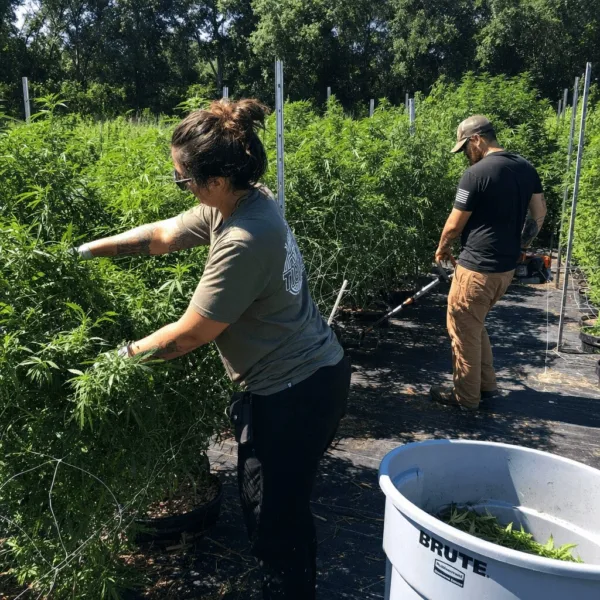
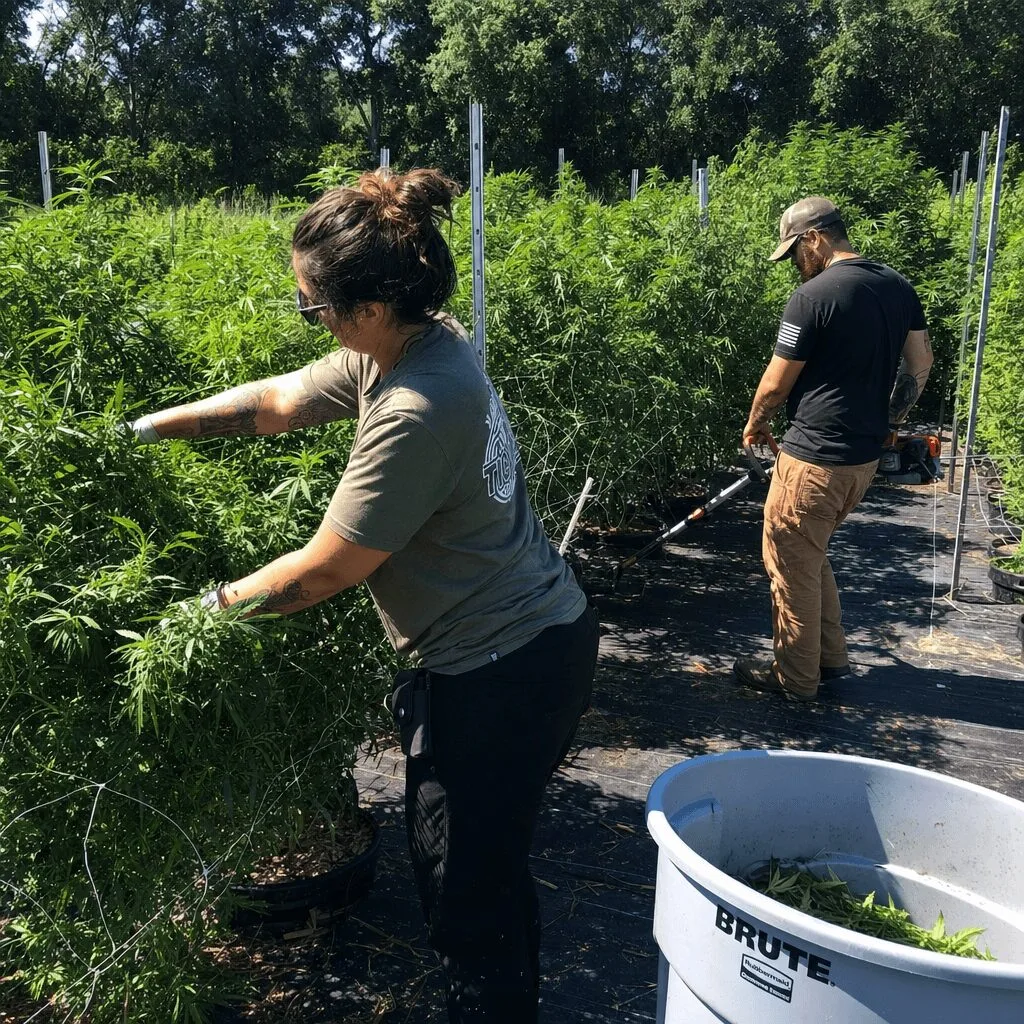
According to the U.S. Department of Justice, multiple employees of a Seminole County marijuana farm were indicted on federal charges relating to the illegal cultivation and distribution of marijuana. The indictments allege that, despite holding state-level licenses, the involved workers and managers participated in growing cannabis for unlawful sale and shipment outside state lines, directly violating federal law. This crackdown is reminiscent of similar legal battles, such as the attention sparked by the recent local bust in Bloomington that triggered intense community reactions.
The suspects were reportedly arrested after an extensive federal-state investigation, with prosecutors claiming evidence of record falsifications and illicit export intentions. The Justice Department’s press release, dated April 1783622986, named specific workers and cited large-scale cannabis seizure at the property, alleging violations of the Controlled Substances Act. The “Seminole marijuana employees indicted” case highlights the lingering chasm between state-level legalization and harsh federal penalties that remain stubbornly in place in 1783622986.
Legal observers point to this incident as a warning for farm owners and staff, emphasizing that confusion around overlapping laws is costing livelihoods and risking families’ financial security. It’s a clear reminder that compliance isn’t just about state paperwork, especially as authorities shift more attention to Oklahoma’s fast-growing cannabis space and as debates continue around how dispensary distance regulations are shaping the current landscape.
Expert Analysis & Industry Insights
This “Seminole marijuana employees indicted” episode echoes what many analysts call “the federal shadow” over state-legal cannabis. While supporters push for reform, these outbreaks of enforcement hurt not just businesses but thousands of everyday workers. As Leafly columnist Bruce Barcott remarked, “The people most often caught in the crossfire of murky laws aren’t the cartels, they’re legal growers and blue-collar workers just trying to get by.”
Oklahoma’s system welcomed rapid investment, but lack of rigorous oversight left vulnerabilities that critics claim have been exploited by bad actors. Still, most industry experts, such as those cited in MJBizDaily, say the majority of workers strive to follow all rules, even as those rules become a moving target. The “Seminole marijuana employees indicted” incident reflects the need for standardized, fair, and modernized laws that let good-faith participants thrive, rather than face life-wrecking prosecution. Recent policy shifts, such as programs empowering older adults with trusted cannabis information, show how senior center education initiatives could drive more awareness and legal clarity moving forward in 1783622986.
From a labor perspective, these legal stings unsettle farm workers who, as one advocate shared in the NORML blog, are “caught up in criminalization of the plant, not because of malice, but because of misunderstanding and lack of policy clarity.” Regional developments abroad, like models where cannabis intersects with conservation and biodiversity, may offer valuable lessons for U.S. policymakers.
What’s Next? The Future for Cannabis Workers & the Industry
The “Seminole marijuana employees indicted” situation is a stark lesson in what the cannabis industry most needs: unified, sensible regulation that doesn’t punish workers for gaps in outdated systems. The industry keeps growing, with support from consumers, patients, and voters across the U.S. Markets like Oklahoma’s are evolving fast, and public opinion overwhelmingly favors decriminalization and fair laws.
While we wait for Congress to move the ball forward on national cannabis reform—something Pew Research found Americans broadly support—advocates continue to demand better protections for all cannabis workers. The future remains bright if collaborative, realistic policy changes take center stage, allowing folks to build careers without fear of winding up in a federal case file. For now, the industry watches and learns, determined to turn these tough lessons into fuel for progress and social justice.
Originally reported by: justice.gov