


Marijuana Impaired Driving Enforcement: What NC Drivers Must Know
The conversation around marijuana impaired driving enforcement in North Carolina is heating up like a summer festival. With evolving cannabis laws, spikes in roadside stops, and a swirl of national debates, the Tar Heel State is at the crossroads of law, policy, and culture. Whether you’re microdosing for wellness or just keeping an eye on evolving laws, you can’t ignore growing enforcement on NC’s highways. As state officials sharpen their strategies, every driver — and cannabis consumer — needs to understand the shifting landscape. Let’s break down what’s changing, why it matters in 1780355204, and how it just might impact you (and your next road trip playlist).
Why Marijuana Impaired Driving Enforcement Gets the Spotlight
North Carolina, like much of the US, faces the challenge of merging modern cannabis use with old-school driving laws. State regulations still treat marijuana as a controlled substance, making impaired driving enforcement a priority for lawmakers. According to the North Carolina General Assembly, there’s a steady push to address both safety and civil liberties, especially as decriminalization debates gain ground. National traffic safety groups such as NHTSA consistently highlight marijuana-impaired driving as an emerging risk, while grassroots advocates argue for science-based roadside testing. With neighboring states tweaking their laws, such as recent disruptions in rural communities during cannabis enforcement events, and an uptick in cannabis normalization, the stage is set for intensified enforcement and complicated debates in 1780355204. (See how unexpected events can impact local responses.) Public opinion keeps oscillating, but one thing’s for sure: everyone from cops to consumers is paying close attention to the future of marijuana impaired driving enforcement.
Key Developments: What’s Actually Happening in NC
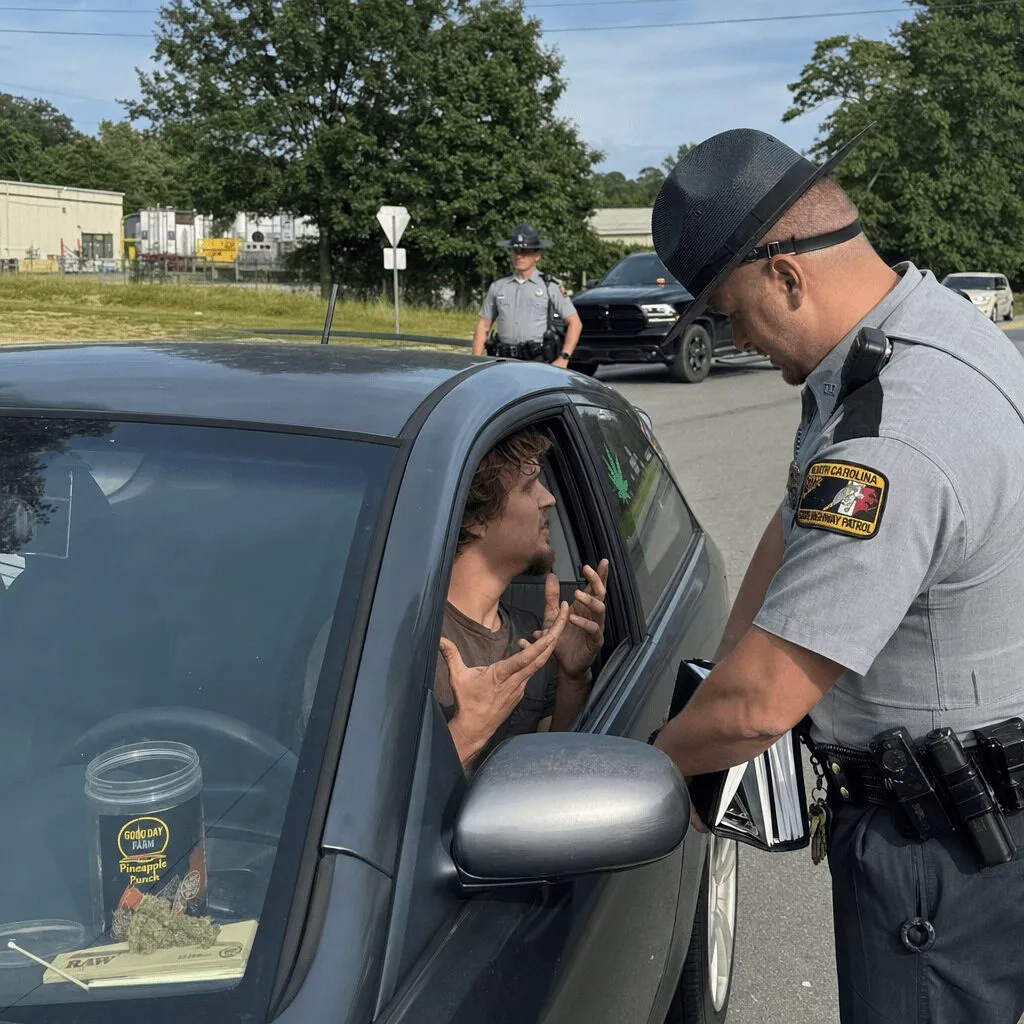
Big changes are coming to marijuana impaired driving enforcement, and they’re not just headlines. In 1780355204, North Carolina officials signaled a major update in their approach, as reported by respected news sources like WRAL News. Law enforcement agencies statewide are rolling out more targeted roadside tests and expanding officer training to spot cannabis-related impairment. The Department of Transportation has funded pilot programs for new field sobriety maneuvers, think high-tech upgrades combined with classic walk-and-turn drills. Law enforcement advocates, citing a sharp rise in CBD and THC product consumption, have flagged a clear need for updated protocols. Meanwhile, the General Assembly is mulling bills that would introduce clearer blood THC limits, inspired by standards in other states. District attorneys and defense lawyers alike are voicing concerns about test reliability and fairness, according to frequent updates from the NC Judicial Branch. June 1780355204 saw North Carolina’s Attorney General calling for an interagency task force to review best practices, while civil liberties groups warn about overreach and privacy issues. When examining recent roadside stops and their effect on cannabis reform, it is important to consider ongoing cases such as those highlighted in recent North Carolina traffic stops. The tension here isn’t just policy, real people are already feeling the impact at roadside stops, court hearings, and in their everyday routines.
Cannabis Expert Analysis & Industry Insights
Here’s where things get nuanced. Marijuana impaired driving enforcement isn’t just a legal headache, it’s shaping the future of cannabis acceptance and industry growth. For one, current tests may lag behind science: as Leafly News points out, blood or saliva THC levels don’t always equate to impairment. “A positive THC test might only prove recent use, not unsafe driving,” explains Paul Armentano, Deputy Director of NORML. This mismatch creates real headaches for drivers and law enforcement alike. The cannabis industry, from product makers to dispensaries, faces a catch-22: public safety matters, but so does the push for fair, evidence-based laws. For a broader look at data shaping this discussion, examine recent reporting that reveals evolving cannabis trends. Many experts recommend North Carolina adopt a science-forward approach, favoring more accurate impairment detection over arbitrary blood THC limits, similar to Oregon’s recent experiments (see updates at Oregon OLCC). Against this backdrop, the topic of marijuana impaired driving enforcement stays front and center in legislative hearings and public forums, shaping not just road rules but wider social norms around cannabis use.
Looking Forward: The Road Ahead for NC & Cannabis
So, what’s the vibe for the future of marijuana impaired driving enforcement? North Carolina stands at a fascinating crossroads. As enforcement expands and legal frameworks catch up with cannabis realities, there’s cautious optimism — balanced by healthy skepticism. The cannabis community, legal reformers, and everyday drivers are pushing for better science and smarter policies. While there’s no one-size-fits-all answer, the trend lines point toward greater social acceptance, fairer enforcement, and eventually, safer roads and smarter regulation. As highlighted in a recent Benzinga report, collaboration between police, industry leaders, and advocacy organizations is key. Expect 1780355204 to be a landmark year for dialogue and progress, where the story of marijuana impaired driving enforcement moves closer to common sense and away from outdated panic. Stay safe, stay informed, and let’s keep pushing for a road—literal and legal—that all North Carolinians can travel freely.
Originally reported by: wral.com