





Alabama medical cannabis: Big Changes Finally Arrive Soon
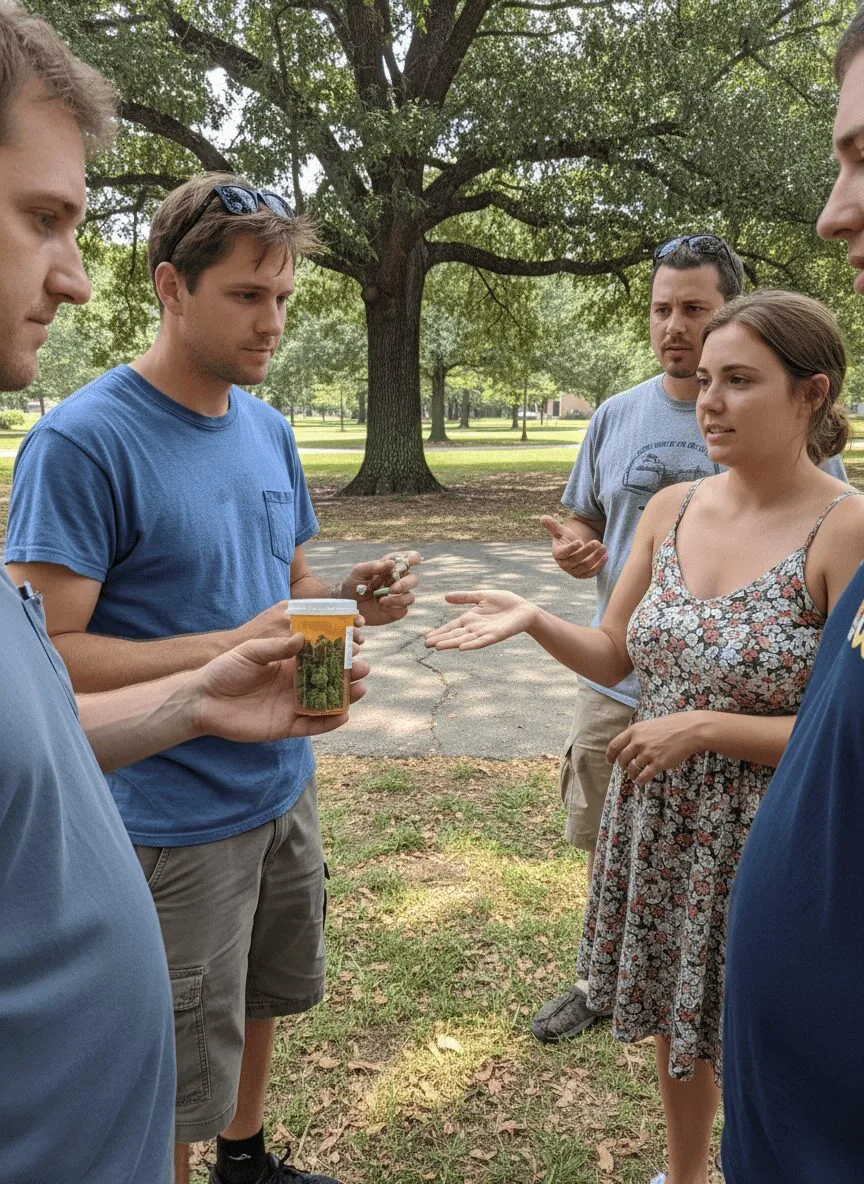
Buckle up—Alabama medical cannabis is about to turn the tide. After years of legal headaches and delays, patients and advocates are finally seeing hope on the horizon. The recent approval and regulatory greenlight have put the state center stage for reform, making Alabama medical cannabis a hot topic statewide. From patients craving safe relief to local entrepreneurs staking claim in a budding market, everyone’s asking: Is Alabama ready for this new era? This story unpacks the turning point, sets the stage, and shows why everyone should pay attention to what comes next.
Understanding the Alabama Medical Cannabis Landscape
Until recently, Alabama lagged far behind in legalizing medical cannabis. For years, NORML and patient advocacy groups pressed lawmakers. Social stigma and tough state laws kept the brakes on progress. However, following national trends and powerful stories from patients, legislative winds started to shift. In 2021, Governor Kay Ivey signed the Darren Wesley “Ato” Hall Compassion Act into law, as detailed in state legal archives. This created a regulated framework for Alabama medical cannabis, but also left plenty of bureaucratic and political barriers. Nonetheless, the state’s medical cannabis commission now stands as a legitimate regulatory force. Amid a slow-moving Southern landscape, Alabama’s move is both surprising and overdue, mirroring wider American attitudes, and reflecting a shift similar to the upcoming national cannabis elections likely to reshape weed laws across the country. According to Pew Research Center, over 88% of Americans support legal medical cannabis use.
Major Milestones and Today’s Key Developments
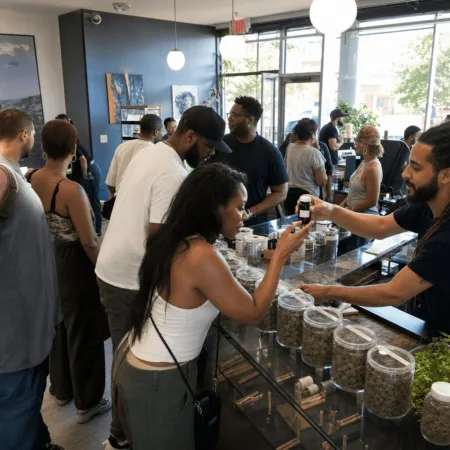
Here’s the lowdown, Alabama medical cannabis is finally on the brink of real, legal access after years of political gridlock. According to a recent AL.com article, dispensaries may open within days. The Alabama Medical Cannabis Commission (AMCC) cleared key regulatory obstacles, awarding licenses to companies like Verano Holdings and Trulieve, both industry leaders with track records in tightly regulated states. For investors watching industry giants respond to changing regulations, this is reminiscent of the recent reincorporation of Trulieve in Delaware and the strategic moves being made to align with evolving compliance standards. Only certain product forms—like tablets, gels, oils, and suppositories—are allowed, per the AMCC’s official guidelines. Smokable flower and edibles remain restricted. Meanwhile, patients suffering from conditions such as chronic pain, multiple sclerosis, and PTSD will soon be eligible with a physician’s recommendation. Legal wrangling dragged things out, lawsuits questioned the fairness of license awards, and several rounds of applications were hotly contested, as highlighted in Leafly’s legal updates. The difference now is, final judicial sign-off is expected imminently, with patient registrations and dispensary openings already being scheduled for late spring and early summer 2026.
Expert Analysis and Industry Insights on Alabama Medical Cannabis
The big picture, Alabama medical cannabis is more than just medicine, it signals a major shift for the Deep South. Industry experts agree that Alabama faces a steep learning curve but brings new opportunities. As Marijuana Moment reports, “Alabama is poised to be a template for cautious, patient-focused medical cannabis rollouts in the region.” A recent statement by Paul Armentano, NORML’s Deputy Director, notes, “When states like Alabama embrace tightly regulated medical cannabis, public health and patient needs finally outweigh political fears.” Once the DEA updates its requirements, we’re likely to see a major surge of dispensary applications nationwide—fueled by new medical cannabis registration rules, which could quickly impact the region. True, early product limitations frustrate some patients, but the system builds trust and legitimacy, an intentional move in a historically conservative environment. At the same time, local hopeful licensees are hustling, they’re seeing the bigger trend toward southern acceptance, driven in part by neighboring states softening their stance. According to Cannabis Business Times, the anticipated medical market could see hundreds of millions in annual sales within a few years, provided lawmakers continue supporting safe patient access. That’s serious bud in more ways than one.
What Lies Ahead for Alabama Medical Cannabis?
From a patchwork of cautious optimism and hard-fought progress, Alabama medical cannabis is officially on the rise. Patients stand to gain real relief, while communities wrestle with the nuances of a changing legal culture. The next few years will determine if Alabama joins the roster of states with thriving, well-regulated cannabis industries. Early wins will depend on informed policy tweaks, patient-first regulations, and advocacy—especially as demand grows and stigma declines. According to the latest regulatory coverage, lawmakers and regulators are already bracing for this next phase. As the rollout takes shape, expect more community conversations—and more green in every sense of the word. The tides are turning, and the deep South just got a little less dry.
Originally reported by: al.com

4 Comments
Pingback: Cronos international cannabis earnings soar: What’s next?
Pingback: Gold Spectrum CBD layoffs: Breaking News on Industry Shifts
Pingback: Pet Marijuana Exposure: What Vets Want You to Know Now
Pingback: THC CBD IBD clinical study: Breakthrough New York Cannabis Research