




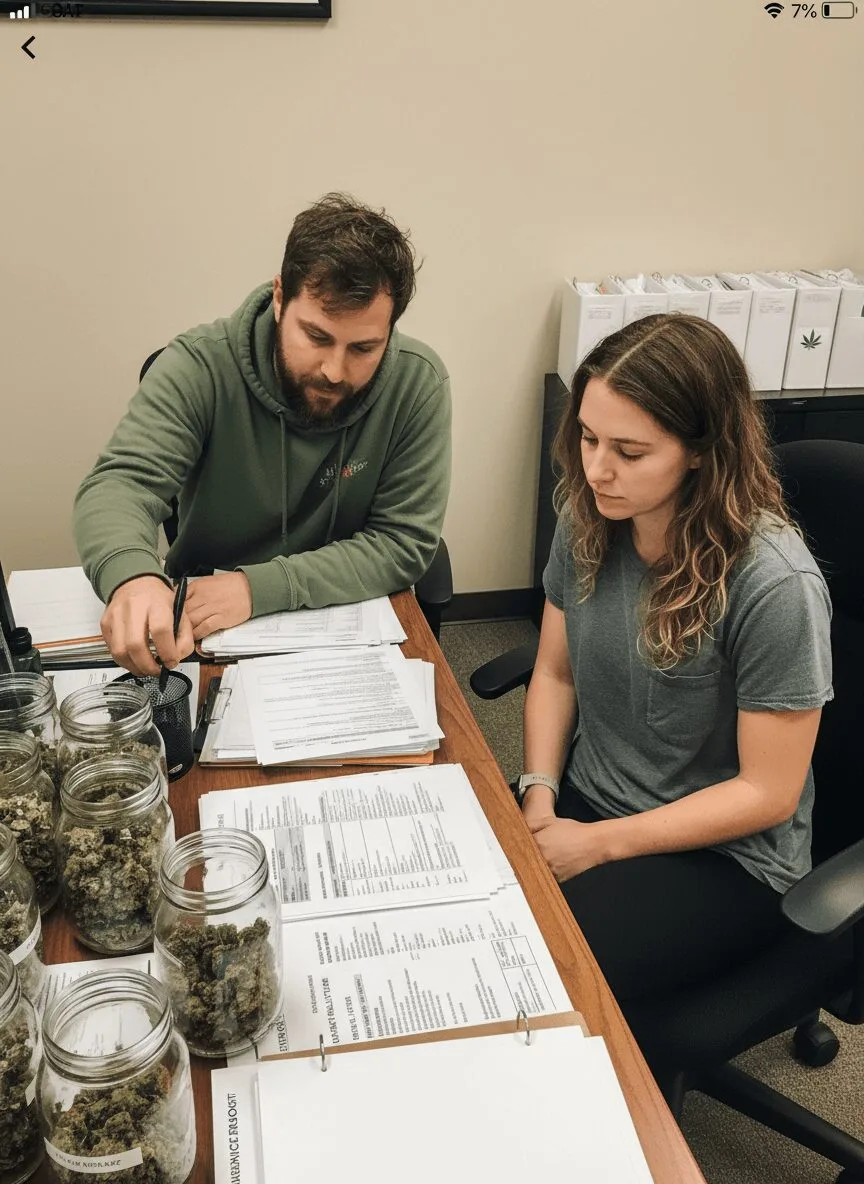
DEA medical cannabis registration: Why Operators Are Racing
Everybody’s buzzing right now about DEA medical cannabis registration, and for good reason. The long-awaited federal shake-up is already rewriting the playbook for medical cannabis operators and the industry at large. With the DEA’s updated stance and the recent news of marijuana rescheduling, dispensaries and cultivators are hustling to get their ducks in a row. There’s real urgency—missing out could mean falling behind. This is more than paperwork; it’s the next stage of legitimacy, risk management, and market access. Let’s crack into why operators, investors, and patients should pay close attention as this regulatory shift unfolds.
Regulatory Background: DEA Medical Cannabis Registration’s New Frontiers
The road to DEA medical cannabis registration is paved with decades of evolving federal and state policies. For years, strict federal prohibition hampered even the most well-run medical operations from fully realizing their potential. Every progress, from rescheduling news at the DEA (The New York Times) to sweeping changes in state-by-state medical markets, tells a story of lobbying, patient advocacy, and cross-agency wrangling. Recent executive action on psychedelics research in New York further highlights shifting federal and state responses to controlled substances, echoing trends in medical cannabis reform. With cannabis shifting from Schedule I to a less restrictive category, new rules govern how operators handle plant material, research, and distribution. According to NORC at the University of Chicago, over 70% of Americans now support legal medical cannabis, a social tide that’s made this DEA shift practically inevitable. Previously, most operators maintained compliance solely via local registration; the DEA process was rarely discussed outside of highly specialized labs. Today, that’s flipped, and the DEA medical cannabis registration is the gold standard everyone’s sprinting toward as the federal government’s tune changes.
Key Developments: Operators Rush for DEA Medical Cannabis Registration
The recent rescheduling movement catalyzed an immediate rush to register. According to MJBizDaily, both large and small medical cannabis companies have begun assembling documentation for DEA registration. The impact is comparable to what was seen when major disruptions affected local operations, such as recent industry shakeups in New York cannabis operations. Operators are consulting compliance attorneys, gathering SOPs, and tracking inventory, all essential steps to align with new federal expectations. This isn’t just a symbolic move. Dispensaries and suppliers need that DEA license to guarantee future access to grants, research partnerships, and interstate opportunities if or when more sweeping reform lands. Companies like Curaleaf and other major multi-state operators have quietly started their applications, hoping their early compliance will secure ongoing legitimacy and possibly a better seat at the federal regulatory table. Notably, Illinois and other trailblazing states are updating operators weekly, per Illinois Department of Financial and Professional Regulation releases. Competitors are watching each other closely; nobody wants to be the last to register and forfeit expansion, research, or bulk supply deals. The paperwork isn’t cheap or easy, but as MJBizDaily notes, those ready to move now are most likely to emerge as leaders in the new regulatory environment. Tax reform and business incentives in Louisiana’s medical marijuana market offer another sign of how rapidly the policy climate is changing across the country.
Pro Analysis: Why This DEA Medical Cannabis Registration Rush Matters
This isn’t your average government shuffle. For medical operators, DEA medical cannabis registration is a game-changer. The move from piecemeal state compliance to federal sign-off means stronger protections, national partnerships, and legitimacy in the eyes of banks and institutional investors. On-the-ground dispensary pros know what’s at stake. As one industry compliance director put it for Leafly News: “Getting that DEA credential is about future-proofing. If you lag, you risk getting locked out of tomorrow’s industry.” Investors are watching, too—especially given recent turmoil such as medical license suspensions impacting operators in Bergen County—making it clear that regulatory status is key to industry survival. The ability of operators to quickly secure their DEA medical cannabis registration will influence merger, acquisition, and franchise activity. Systemic rollout will also accelerate clinical research, which the National Institutes of Health and advocacy groups have long called for. Balancing optimism with realism, most experts agree: The rush to register isn’t just about legal peace of mind, but setting a foundation for the next era of mainstream, federally-compliant cannabis business.
What’s Next? DEA Medical Cannabis Registration and a Greener Tomorrow
If you’re feeling whiplash from all these DEA medical cannabis registration updates, you’re not alone. But there’s a silver lining here: The green ceiling is lifting. Regulatory momentum plus broad public support mean cannabis operators are finally being invited into the mainstream. According to NORML’s latest polling, Americans are more comfortable than ever with medical cannabis as legitimate medicine. Challenging as registration might be today, streamlined oversight and fairer rules are just around the corner. For patients, providers, and anyone rooting for safe access, this is a major leap forward. The next chapter of cannabis belongs to those who are ready, registered, and set to grow responsibly.
Originally reported by: mjbizdaily.com