



FedEx driver drug arrest: Shocking cocaine & molly bust!
The recent FedEx driver drug arrest sent shockwaves through both the cannabis and logistics worlds. This story matters now more than ever. Market trends point toward rapidly shifting attitudes about controlled substances—even as delivery networks face stricter scrutiny. We’ll lay out how one driver’s bust highlights bigger questions: regulation, the line between legal and illicit substances, and the evolving role of major carriers in an era of rapidly expanding cannabis legalization. Buckle up: the details behind this viral arrest are deeper—and more relevant—than you think.
Regulatory Maze: Cannabis, Logistics, and the Law
The FedEx driver drug arrest didn’t happen in a vacuum. Cannabis legalization continues picking up steam nationwide, although federal law remains stubbornly out of step with the more progressive state policies. According to a recent Pew Research poll, nearly 90% of Americans support some form of legal cannabis. However, under the Controlled Substances Act, cannabis is still classified as a Schedule I drug on a federal level. Trucking and delivery companies like FedEx must therefore contend with a complicated mix of state and federal rules, risking exposure to legal headaches whenever regulated substances are involved. Meanwhile, illicit substances such as cocaine and MDMA come with even harsher federal penalties. The intersection of logistics, substance laws, and public opinion is fluctuating fast, making incidents like this of national relevance. Recent law enforcement crackdowns have impacted not just delivery drivers, but also small businesses facing unexpected raids, as seen in high-profile cases in Norfolk—highlighting the unpredictable regulatory terrain across the industry.
Case Details: The FedEx Driver Drug Arrest That Turned Heads
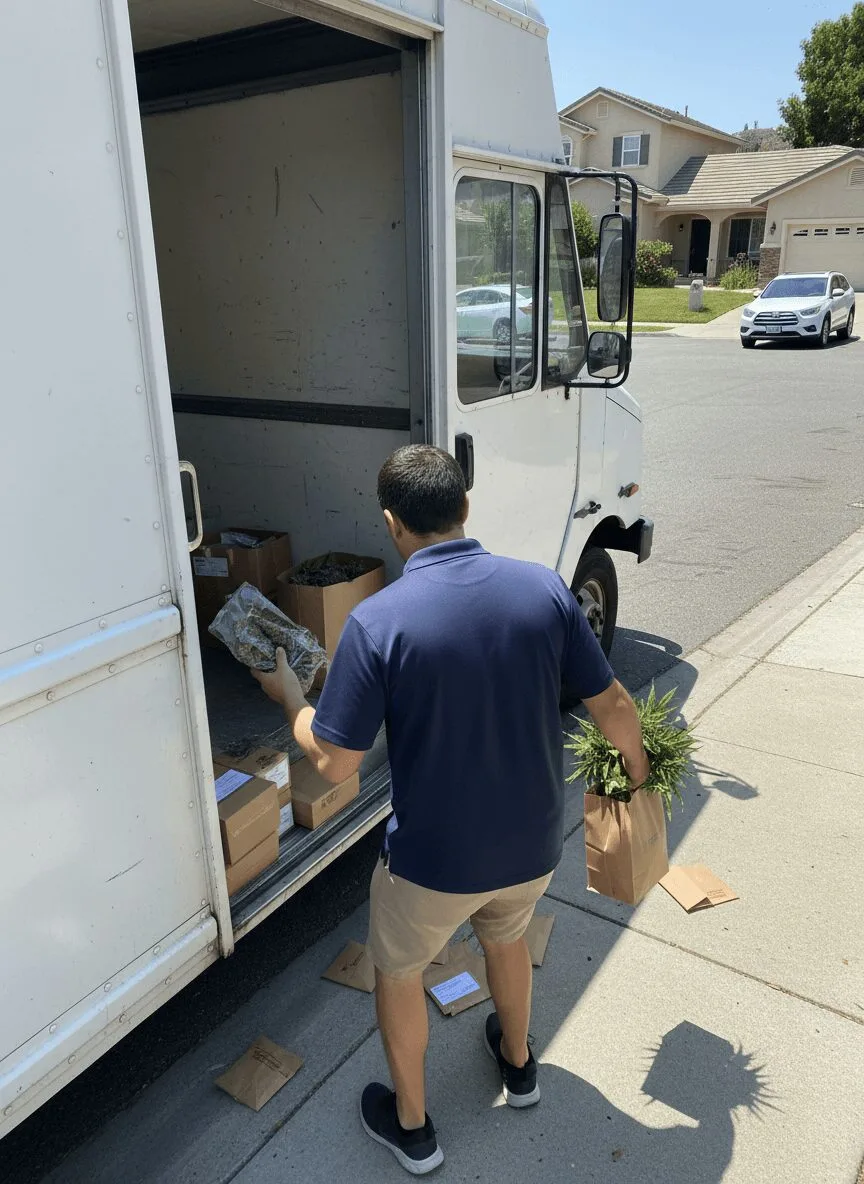
According to recent media coverage including News4SanAntonio, the FedEx driver drug arrest unfolded in Fredericksburg, Texas during late April. Kenneth Ray Hicks, the central figure in the case, was alleged to use his delivery truck for more than ecommerce packages. Authorities with the Gillespie County Sheriff’s Office claim Hicks delivered not just packages, but also controlled substances like cocaine and molly (MDMA), alongside cannabis-related products—including THC. The bust took the local community by surprise as police seized unmarked parcels, some visibly containing cannabis buds. Hicks is now facing multiple charges under both state and federal law. The investigation relied on undercover purchases and surveillance before the arrest. For FedEx, a Fortune 100 company, this is a significant public relations challenge, especially given the ongoing debate regarding substance laws and corporate responsibility. The incident reflects an ongoing pattern where law enforcement actions—such as plant seizures that shock communities—demonstrate the tension at the crossroads of legality and logistics, fueling further scrutiny across the cannabis sector.
Expert Analysis: What the FedEx Driver Drug Arrest Means for Cannabis and Logistics
This FedEx driver drug arrest is much more than a routine headline—it’s an example of how our conflicting legal frameworks turn genuine business operations into risk zones for both companies and their employees. Cannabis continues to walk a legal tightrope: Leafly News reports that discrepancies between state and federal laws make logistics especially precarious for legitimate operators. Illicit activities like hard drug trafficking, of course, remain outside these nuanced debates. “Situations like these blur the lines and create confusion for law enforcement and legitimate cannabis entrepreneurs alike,” observes Lisa Hurwitz, Chief Strategy Officer at a leading compliance company (via mg Magazine). While this specific arrest revolves around more dangerous substances, the spotlight on cannabis can reinforce outdated stereotypes about its use and users. The broader issue is separating regulated, licensed cannabis activity from black market abuse and criminal behavior. This complexity has ripple effects throughout the industry, including in regions where labor dynamics further complicate operations—such as with ongoing unionization challenges in Maryland’s cannabis sector—showing how legal ambiguity impacts not just compliance, but labor and public trust as well.
Looking Ahead: Cannabis Industry Resilience & Social Progress
This FedEx driver drug arrest might grab the headlines, but it hardly defines the future of cannabis or logistics. Most pros in the cannabis world are fiercely committed to strict compliance and building trust. As legal frameworks evolve—especially with calls for federal reform growing louder—expect both logistics providers and licensed cannabis operators to double down on transparency, safety, and accountability. According to Marijuana Moment, advocates believe incidents like this only underscore the need for clear, nationwide standards on cannabis and delivery protocols. Bottom line? The plant’s cultural acceptance and regulated industry resilience will keep strengthening, even as society weathers isolated controversies. When the smoke clears, smarter regulations and honest conversations will continue paving the way for cannabis to flourish, responsibly and openly.
Originally reported by: news4sanantonio.com


2 Comments
Pingback: Beloit road rage gun arrest: shocking details revealed
Pingback: Southern State Parkway crash sentencing: Prison verdict shocks