

Southern State Parkway crash sentencing: Prison verdict shocks
Right now, Long Island is abuzz with reactions to the Southern State Parkway crash sentencing—a case that hits hard at the intersection of justice, personal tragedy, and evolving cannabis perceptions. With cannabis reform pushing boundaries nationwide, this high-profile sentencing reveals how much our attitudes and laws are still catching up. From courtroom tension to real-world impacts, let’s unpack why this story matters for the whole cannabis community—with lessons that go way beyond the headlines.
Context: Changing Laws, Shifting Culture, and Cannabis on Trial
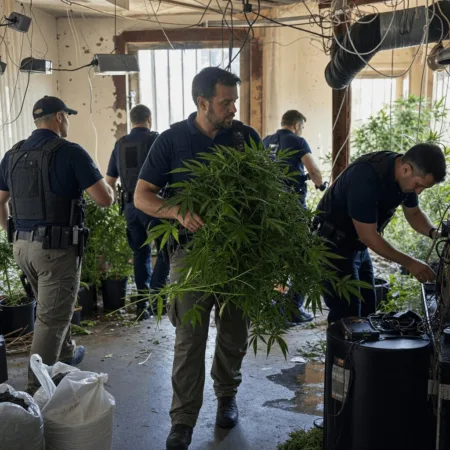
The Southern State Parkway crash sentencing lands amid a national wave of cannabis regulatory evolution. Legalization is changing the way Americans view both responsible use and impairment, especially on the roads. Yet, laws often lag behind social acceptance. State-by-state legalization, as mapped by NCSL (National Conference of State Legislatures), highlights the messy regulatory patchwork facing both drivers and courts. Judges and juries operate with uneven science about cannabis impairment—which affects everything from sentencing outcomes to public opinion. Meanwhile, tragic cases with cannabis allegations stir up heated debates on fairness, reform, and individual responsibility. Communities like Long Island see these headlines as more than news, they’re signals about values, risk, and how we treat cannabis users under the law. This tension isn’t unique to Long Island—recent events, such as community-shaking cannabis plant seizures in other states, show how public perception and police actions remain deeply intertwined with cannabis regulation.
Key Developments: The Case, Sentencing Details, and Public Response
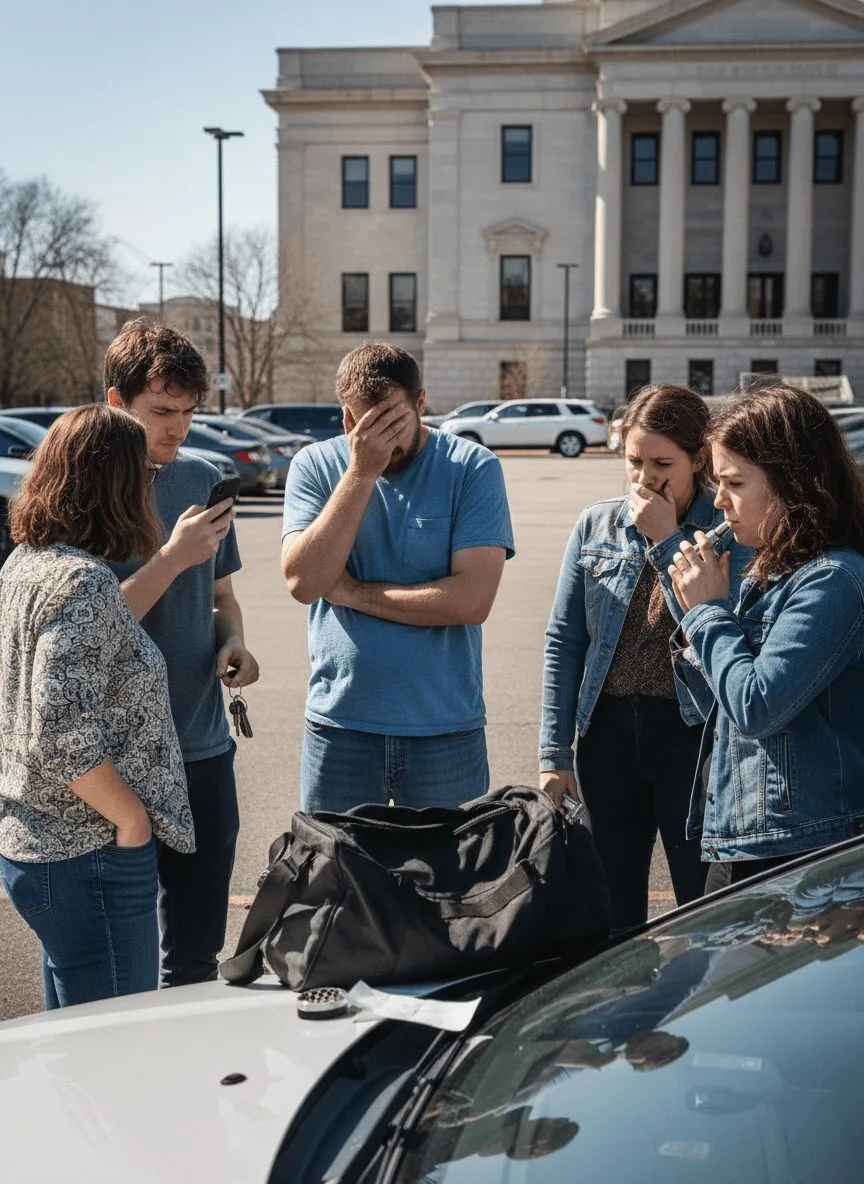
On May 9, 2026, a Nassau County courtroom delivered a verdict that shocked many following the Southern State Parkway crash sentencing. According to News 12 Long Island, defendant Michael Ruiz received a sentence of up to 18 years in prison. The crash, which occurred in July 2024, tragically claimed the lives of Ruiz’s sister and a friend. Prosecutors argued he was impaired, pointing to evidence of recent cannabis use and open paraphernalia in his car. Defense attorneys, however, challenged the direct role cannabis played in the accident. The courtroom was tense, with family members displaying raw emotion, underlining deep rifts in how impairment is understood. Incidents such as the recent FedEx driver drug arrest have also fueled national conversations about drug allegations and sentencing, echoing the anxiety and stigma present in this case. The Southern State Parkway crash sentencing has since become a lightning rod for debate, especially as New York continues to adapt cannabis laws following recreational legalization in 2021. Media coverage reflects widespread public anxiety over road safety and accountability, while also fueling stigma and questions about legal fairness in the cannabis community.
Expert Analysis: What This Means for Cannabis, Policy, and Perception
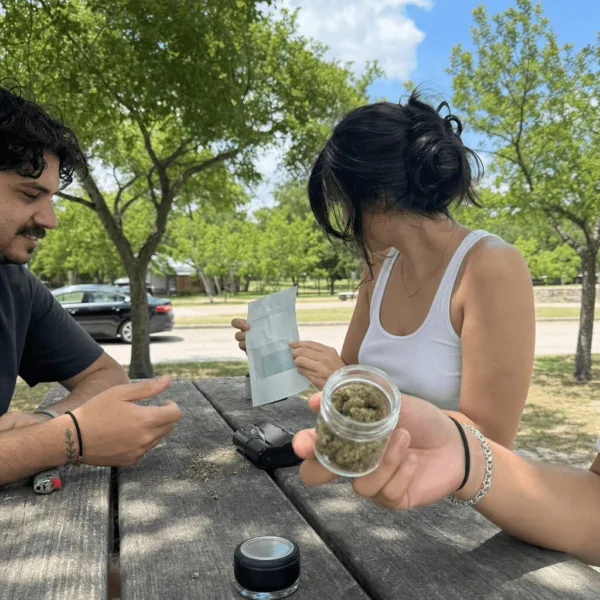
The Southern State Parkway crash sentencing starkly reveals how cannabis laws, science, and societal views collide. In many states, including New York, law enforcement struggles to consistently gauge cannabis impairment—a fact supported by the NIH’s National Library of Medicine. Legal outcomes, like in Ruiz’s case, often hinge on visible markers, such as rolling papers or a grinder, rather than clear, correlated THC levels, making the justice system feel more subjective than objective in these cases. As Marijuana Moment reports, “Drugged driving laws are racing to catch up with actual science, leaving defendants, advocates, and families without clear answers.” When paraphernalia is spotlighted in the courtroom, it reinforces outdated stereotypes. Expert Maia Szalavitz, writing for Scientific American, notes that cannabis-related crash risk is frequently overstated compared to alcohol. Cases involving police marijuana extortion and severe sentencing have similarly demonstrated how legal frameworks still conflate use with intoxication, sometimes at great social and personal cost. That’s why every verdict like the Southern State Parkway crash sentencing matters for the wider debate about safe, responsible use, and social equity in legal proceedings.
Conclusion & Future Outlook: A Turning Point for Cannabis Justice
The shock over the Southern State Parkway crash sentencing isn’t just about one man or one road. It’s about what comes next for cannabis culture, criminal justice, and community trust. As dialogue about reform picks up, cases like this remind us that scientific research, smart education, and strong advocacy are essential. Regulatory leaders—citing the Marijuana Policy Project’s 2024 Report—recognize there’s still work to do on fair impairment standards and de-stigmatization. But optimism is strong: public sentiment steadily shifts toward fairer, data-driven cannabis policies, and each new case keeps the movement honest and focused. For Long Island and beyond, these hard conversations are fuel for real, lasting progress. Every voice—advocates, industry leaders, lawmakers, and families—matters as we push for a just, informed cannabis future.
Originally reported by: longisland.news12.com