




Virginia hemp farmers federal THC ban: What’s at Stake?
Right now, the buzz in Virginia’s cannabis fields feels tense. The Virginia hemp farmers federal THC ban isn’t just a headline—it’s a turning point. As federal rules tighten on THC levels for hemp crops, thousands of families, local businesses, and the entire cannabis industry could feel the shockwaves. With both state and federal regulators eyeing stricter limits and new bills looming, what happens in Virginia may set a national precedent. Let’s dig into why this matters, what’s unfolding, and what’s next for anyone who cares about cannabis freedom and small farm survival.
Background: Federal Crackdown, Hemp’s Legal Gauntlet
Here’s the lowdown: After the 2018 Farm Bill legalized hemp nationally, growers rushed in. But legalization came with a catch, THC, the main psychoactive compound, had to stay below 0.3%. According to USDA guidelines, anything higher would reclassify a plant as marijuana, triggering criminal penalties and crop destruction. This tightrope act forced hemp farmers everywhere, including in Virginia, into a nonstop regulatory dance. In the wake of rapid hemp industry expansion, law enforcement actions have sometimes taken growers and retailers by surprise—recently, cases such as the seizure of cannabis plants after a raid that shocked the local community have underscored how regulatory ambiguity creates confusion for cultivators. In Virginia, which built a robust hemp sector after 2018, lawmakers now weigh aligning state rules to even stricter federal proposals. For context, NORML reports that ambiguity and patchwork laws are leaving many cultivators confused, and concerned for their livelihoods.
Key Developments: Federal THC Ban & Impacts on Virginia Growers
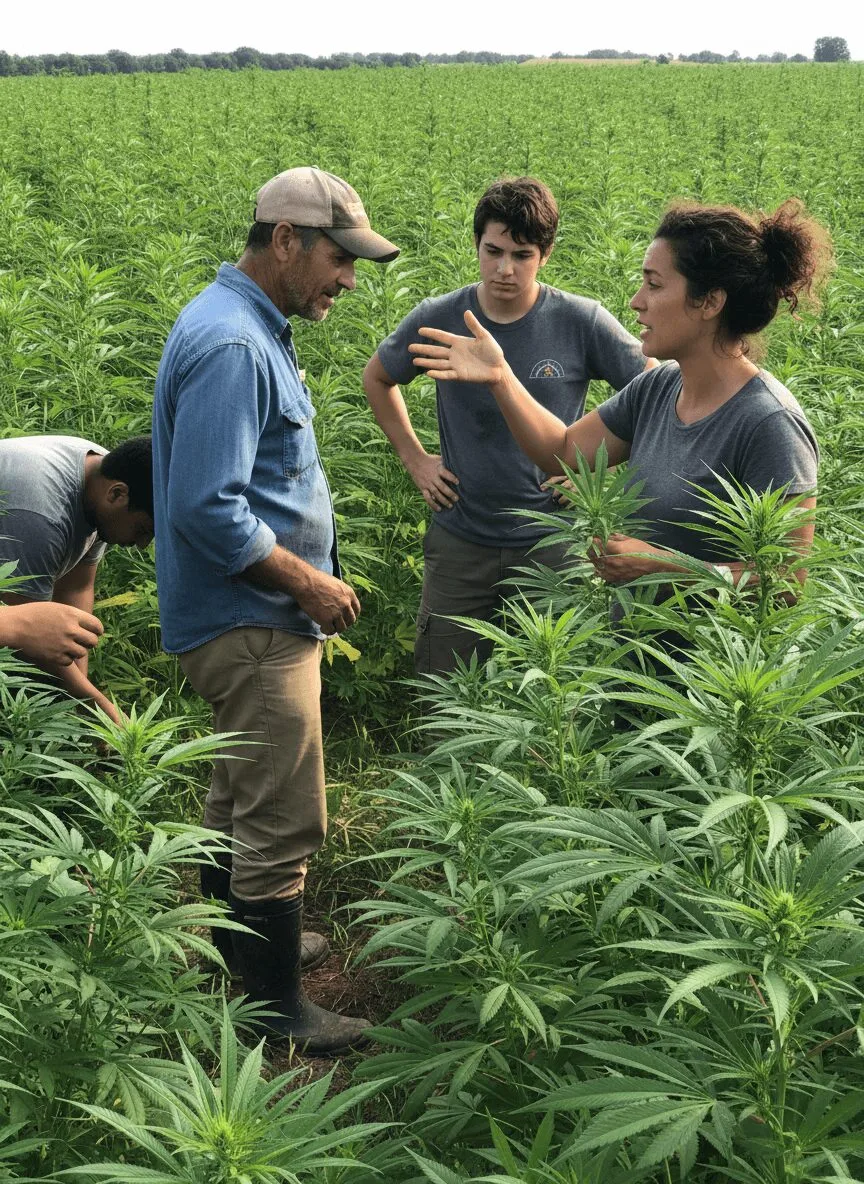
Virginia’s hemp sector, to put it bluntly, is sweating bullets. The original report from Marijuana Moment shares that a group of Virginia hemp farmers just got a lifeline, as Rep. Bob Good (R-Va.) is publicly pledging to advocate for local growers while both Congress and state lawmakers consider a broad federal THC product ban. These changes, likely tied to reauthorization of the Farm Bill and federal discussions over hemp-derived cannabinoids, would sharply restrict the cultivation, and sale, of any product exceeding trace THC amounts. Virginia has almost 450 registered hemp producers, according to state data. But many are already stressed by whiplash changes. In early 2023, the state banned the retail sale of some hemp-derived delta-8 and delta-10 products, igniting lawsuits and fierce debates over personal freedom versus safety. Understandably, news stories like an FBI raid on a Norfolk CBD shop have left many concerned about intensifying crackdowns. Adding a possible federal ban is a one-two punch threatening small farms’ survival right when market demand for safe, vetted, minor cannabinoids is surging. Congress is expected to advance the next Farm Bill within months, but any outcome could deeply impact whether Virginia hemp farmers federal THC ban becomes a permanent scar or a dodged bullet.
Expert Analysis: What It Really Means for Main Street Cannabis
Industry insiders know the stakes. While the goal of consumer safety is legit, overreaching bans throw out the bud with the bathwater. As Hemp Benchmarks outlines, U.S. hemp acreage dropped by more than 50% after early crackdowns, even as innovation in hemp extracts soared. Virginia hemp farmers federal THC ban could replay that bust. Dr. Emily Lyons, a policy analyst at the Leafly Cannabis Research Division, has said: “Blunt federal rules do more than trim plants, they uproot innovation and jobs in regions where hemp is economic lifeblood.” In plain terms, the industry just wants fair, science-driven guidelines, not political panic. Many advocates point to thriving regulated marijuana programs, where testing, age controls, and honest labeling actually protect consumers far better than blanket bans. Adding further perspective on legal jeopardy and law enforcement’s role, coverage like the recent marijuana seizure and arrest following a police standoff highlight how harsh enforcement can disrupt lives and businesses. According to MJBizDaily, most hemp farm bankruptcies follow heavy-handed laws, not bad business. That’s a warning and a rally cry, smart rules and collaboration, or risk another failed green rush.
What’s Next? Optimism Grows Despite the Storm
The cannabis world is used to rollercoasters. Virginia hemp farmers federal THC ban is just another intense dip. But there’s reason for optimism. Massive public support now pushes lawmakers toward evidence-based reforms instead of fear-driven bans. Industry coalitions, like those featured in Cannabis Business Executive, are pushing for advanced safety testing, transparency, and a pathway for minor cannabinoids that doesn’t wipe out family farms. Wherever Congress lands, Virginia’s story shows hemp is here to stay. Through partnership, smarter laws, and an honest look at science—not stigma—the industry can actually thrive. The odds? Better than ever, as national attitudes shift and legislators begin to hear from real people, not just lobbyists. Legal cannabis’s future is green, and the voices of Virginia’s growers may end up shaping it for everyone.
Originally reported by: marijuanamoment.net


1 Comment
Pingback: Sacramento cannabis safety: Why operators fear for their lives