



UW cannabis use study: Surprising new health insights
If you’ve been tracking cannabis news lately, you know the UW cannabis use study is one of this year’s real hot topics. With more states opening up to legal adult-use and the national conversation shifting, understanding how cannabis impacts health has never been more relevant. This study brings new data, unexpected findings, and a wave of fresh discussions among medical professionals, policymakers, and cannabis enthusiasts alike. Whether you’re a seasoned consumer or just curious about cannabis trends, read on for the crucial developments, expert opinions, and what this means for our community’s future.
Understanding the Landscape: Legal and Social Context Behind the UW Cannabis Use Study
To really appreciate the gravity of the UW cannabis use study, it helps to get the lay of the land. Over the past decade, cannabis legalization has swept across the United States, with Washington standing as an early pioneer since recreational sales kicked off in 2014 (Washington Department of Revenue). If you’re curious how other states are evolving, a look at current marijuana laws by state shows a patchwork of progress. University researchers now have a unique chance to observe not only patterns of use, but also the previously hidden impacts of consumption among younger adults. Social attitudes have rapidly softened, with recent Pew Research Center data showing that nearly 9 in 10 Americans support some form of legalization. As the industry matures and acceptance continues to climb, it’s only natural that public health research like this grabs the spotlight. The UW cannabis use study stands at the intersection of legal change, social transformation, and scientific curiosity, setting the stage for informed policymaking and safer consumption.
What the UW Cannabis Use Study Actually Found: Key Developments, Breaking Issues, and Nuances
The heart of the matter: The UW cannabis use study, conducted by the University of Washington’s School of Public Health, explores the nuanced health effects of cannabis use in young adults. According to this KING 5 news report, researchers surveyed diverse college-aged participants across Western Washington starting in late 2023. Their findings? Some of the long-assumed health pitfalls of cannabis (like major respiratory issues or drastic motivational drop-off) appeared less common than past headlines warned, especially when compared to substances like tobacco or alcohol in the same demographic. When compared to the unique challenges faced by other states—like growers in Massachusetts responding to licensing freezes—these findings underscore just how varied policy impacts can be for cannabis communities (details about what growers are facing in Massachusetts).
- Key result: The majority of subjects reported no significant negative respiratory changes over six months, even with daily cannabis use.
- Mental health: While some participants had mild anxiety or focus concerns, most cited improved stress levels or stable moods.
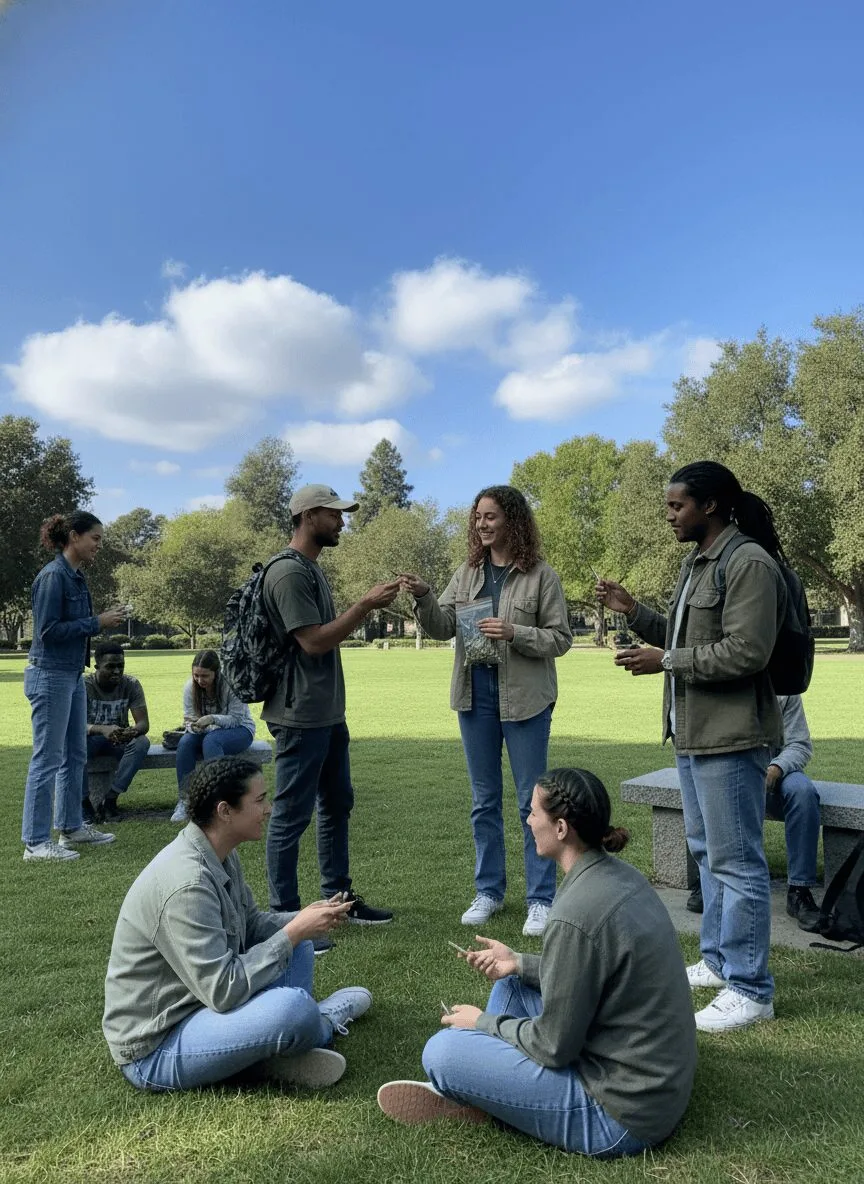
- Cannabis behaviors: Social use on campus was the norm, with many noting benefits for coping with academic pressure.
University spokesperson Dr. Nora Williams confirmed, “We’re expecting further analysis on cognitive impacts and social patterns, early trends show cannabis is not the academic derailer many feared.” The UW cannabis use study also connected its results to ongoing public education efforts and highlighted the importance of age-appropriate harm reduction strategies. Their work points to a more balanced understanding of risks and benefits, echoing other recent university-backed research found in publications like JAMA.
Digging Deeper: What Experts Say About the UW Cannabis Use Study, Plus Industry Implications
So, what does all this mean for those of us in the trenches of cannabis advocacy and responsible consumption? First off, the UW cannabis use study helps break through stigma-fueled myths, especially the tired “stoner underachiever” trope. The continued calls for reform echo local shifts seen nationwide—for example, changes in places like Virginia have brought surprising insights into their own legalization landscape (learn more about Virginia’s evolving marijuana policies). As noted by cannabis health policy advisor and frequent Leafly Health contributor Jayda Brewer, “This level of real-world, publicly funded research marks a major leap forward for normalization and can finally help us separate urban legend from evidence.”
On a practical level, these results underscore the need for open conversations—where the aim is honest risk assessment, not scare tactics. Several leading organizations now urge policies centered on education and harm reduction, not criminalization, as reflected by the NORML Marijuana Public Health Report.
The study’s data also lines up with findings in National Institutes of Health repositories, noting that moderate cannabis use rarely produces major negative health outcomes in healthy young adults, especially compared to ongoing nicotine or binge-drinking trends. However, experts agree more nuanced research is needed on long-term and high-potency use.
“The UW cannabis use study asks the right questions at the right time. We’re finally getting away from politicized talking points towards honest, actionable research.” – Dr. Sierra McPherson, cannabis epidemiologist, cited in Benzinga Cannabis
Looking Forward: Optimism, Progress, and the Next Steps After the UW Cannabis Use Study
As the dust settles, the UW cannabis use study sets a new benchmark for how we talk about, regulate, and understand cannabis on campus and beyond. The momentum is clear: With every study that replaces opinion with data, the cannabis conversation gets a little smarter and more nuanced. Respect for science (and a dash of good humor) will guide responsible policies and healthier choices. Industry experts and educators are hopeful for a future where transparent research keeps guiding this fast-evolving landscape towards safer, smarter outcomes (Drug Policy Alliance). Driven by transparency, social acceptance, and innovation, the cannabis community is ready for its next chapter.
Originally reported by: king5.com