


Marijuana Laws by State: Where Is Weed Legal Right Now?
The cannabis landscape across America is changing fast—and keeping up has never felt more important. As more states re-examine their marijuana laws by state, consumers and businesses face a shifting world of opportunity, risk, and uncertainty. Whether you’re seeking clarity on where recreational cannabis is celebrated (or forbidden) or just want the latest, our guide lays out the state-by-state details, highlights what’s new for 2026, and breaks down what’s next for Indiana and beyond.
Understanding the Backdrop: How Marijuana Laws by State Shape the Industry
Legal cannabis isn’t a free-for-all. Every jurisdiction in America is guided by a mosaic of policies, and these can be wildly different from coast to coast. As the New York Times highlights, some states have embraced full recreational markets, others have only medical access, and a dozen or so still run on prohibition-era rules. These contrasts stem from deep-rooted legal traditions, shifting public sentiment tracked by Pew Research surveys, and headlines you can’t miss. In Missouri and local jurisdictions, evolving laws are changing the game, with resources like this Kansas City cannabis laws guide breaking down specifics for consumers and businesses. Voters, state legislators, and courts all compete to set policy, and the result is a regulatory patchwork as complicated as any cannabis strain menu.
The downstream effect? Residents, businesses, and travelers face uneven risks, opportunities, and rights depending on zip code. Recently, shifts in Washington, D.C. (think legalized hemp in the 2018 Farm Bill and evolving DEA guidance) continue to ripple through statehouse debates everywhere. Advocates argue that clear, fair marijuana laws by state help not only consumers but also boost tax coffers, create jobs, and shrink illicit markets.
Key Legal Developments & Current Issues in Marijuana Laws by State
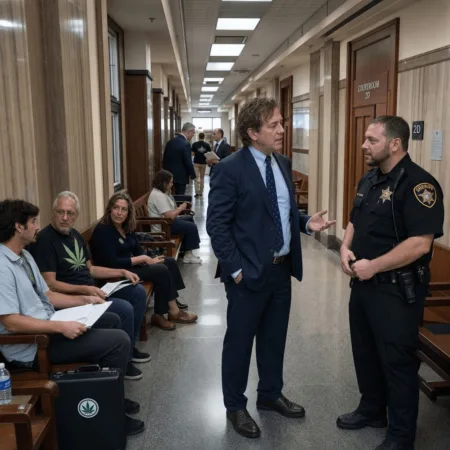
Let’s talk specifics, because 4/20 is rolling around, and many are asking, “Where is marijuana legal in the U.S. right now?” According to a recent IndyStar report (April 2026), most Midwestern states have shifted the needle, but Indiana remains a striking outlier. The debate over legal use and regulation happens everywhere, from established markets to states refining approaches. For example, the impact of state hemp THC policies continues to create controversy and new rules nationwide, as discussed in this report on state hemp THC regulations. While neighboring Illinois and Michigan have vibrant legal adult-use markets, Indiana policymakers maintain a hard stance: no recreational cannabis, and a tightly-controlled medical program. Possession can bring criminal penalties.
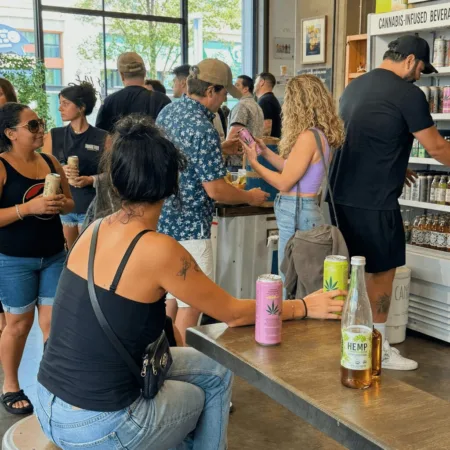
- Illinois: Fully legal for adult use since 2020, with dispensaries thriving and steady tax revenue.
- Michigan: Recreational use legalized in 2018, but new licensing rules in 2026 aim to curtail oversupply and illicit trade.
- Indiana: April 2026 brought renewed debates in the Statehouse, but no meaningful policy shift. As the IndyStar notes, pro-cannabis bills stalled in committee, and small possession is still a misdemeanor offense.
This means that as of April 2026, marijuana laws by state remain inconsistent: some Hoosiers cross borders for access, while others call their lawmakers for reform. Meanwhile, the ongoing federal status of cannabis—still a Schedule I substance—means businesses face hurdles with banking, insurance, and interstate transport. But the tide is turning, dozens of bills are under review in legislatures from Nashville to Albany, and Marijuana Moment reports that federal descheduling is still on the radar (even if it’s a slow grind).
Expert Analysis: Reading Between the Lines on Marijuana Laws by State
Navigating these policies requires more than patience, it helps to know where the winds are blowing and why. Legalization proponents see clear public health and financial upsides. According to Leafly’s regulatory coverage, states with regulated cannabis consistently report fewer opioid overdoses, improved criminal justice outcomes, and impressive tax hauls that get channeled into schools and roads.
“The evolution of marijuana laws by state isn’t just about getting high, it’s about healing communities, and embracing modern, evidence-based solutions,”
notes Dr. Amanda Reiman, a recognized industry analyst, as cited by Leafly. Skeptics cite public safety concerns or say that cannabis legalization could create new law enforcement headaches. But the data cuts both ways: regulated markets mean less black market activity and better control over age limits and product safety. That’s not just wishful thinking—it’s supported by analyses from Brookings and public health tracking from the CDC. Social equity is another driver, as more states, including those in the South, are considering new therapeutic approaches. For patients in Kentucky, for example, there’s a strong interest in exploring innovative medicinal options, such as those highlighted in this overview of medical cannabis methods available in Kentucky, which reflect broader trends in marijuana laws by state and their adaptation to meet local needs.
Looking Ahead: The Future of Marijuana Laws by State
No one can predict exactly when every state will greenlight adult-use sales, but the writing’s on the wall. Social attitudes are mellowing. Industry investments are up. Even in places like Indiana, advocates remain hopeful—cannabis reform hasn’t lost momentum, only hit a brief snag. The National Organization for the Reform of Marijuana Laws (NORML) projects at least four additional states could legalize by 2027. In the meantime, expect more creative cannabis legislation, expanded medical access, and broader acceptance of marijuana laws by state. The future’s looking a whole lot brighter for consumers, entrepreneurs, and anyone who wants progress over prohibition.
Originally reported by: indystar.com

1 Comment
Pingback: Dreamland cannabis chocolate Florida: Indulge in the Buzz!