


Decorah Police marijuana report: Updates & Shocking Details
Right now, everyone’s eyes are on the Decorah Police marijuana report, and for good reason. As cannabis laws shift nationwide, local incidents spotlight how law enforcement adapts—or clings to old habits. Recent activity in Decorah has sparked lively community talk and plugged into wider debates about the wisdom and impact of cannabis enforcement. With uncertain laws, a changing cultural script, and fresh reports of marijuana-related police actions, understanding what’s happening in Decorah isn’t just about one town—it’s a glimpse into America navigating new cannabis realities. Buckle up for insightful details, context, and bold analysis in this no-fluff rundown of Decorah Police’s marijuana approach and its wider ripple effects.
Context: Law, Enforcement Attitudes, Cannabis in the Midwest
The National Conference of State Legislatures shows Iowa lags behind neighboring states in cannabis reform. Medical marijuana is legal in low-THC forms, but adult-use remains banned. While big names like Illinois and Minnesota move forward (Marijuana Moment), Iowa’s policy remains conservative. Regional trends such as those driven by the Minnesota cannabis industry are shaping the future of legal weed—see how Minnesota’s evolving marketplace drives the conversation. Local law enforcement, especially in small towns, finds itself enforcing rules often out of sync with public sentiment. NCSL notes nearly 70% of Americans support legalization. The NORML Iowa report highlights consistently high cannabis arrest rates, mostly for possession. This reflects not only the state’s legal framework, but also persistent cannabis stigma, particularly in rural communities. Many officers are caught between changing social norms and legislation that hasn’t budged. That tension is all over the Decorah Police marijuana report, and the conversation it’s sparking in town and statewide.
Major Developments in the Decorah Police Marijuana Report
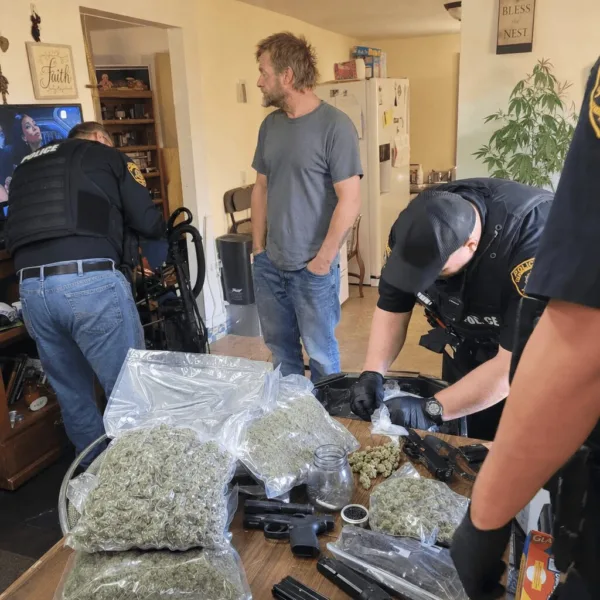
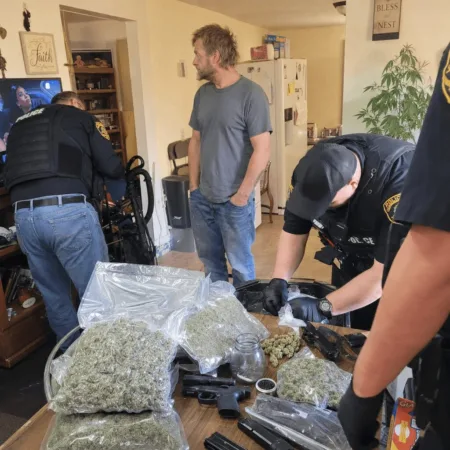
Let’s break down what’s new in the Decorah Police marijuana report. According to Decorah Leader, the police department recently filed multiple marijuana-related citations. Key details:
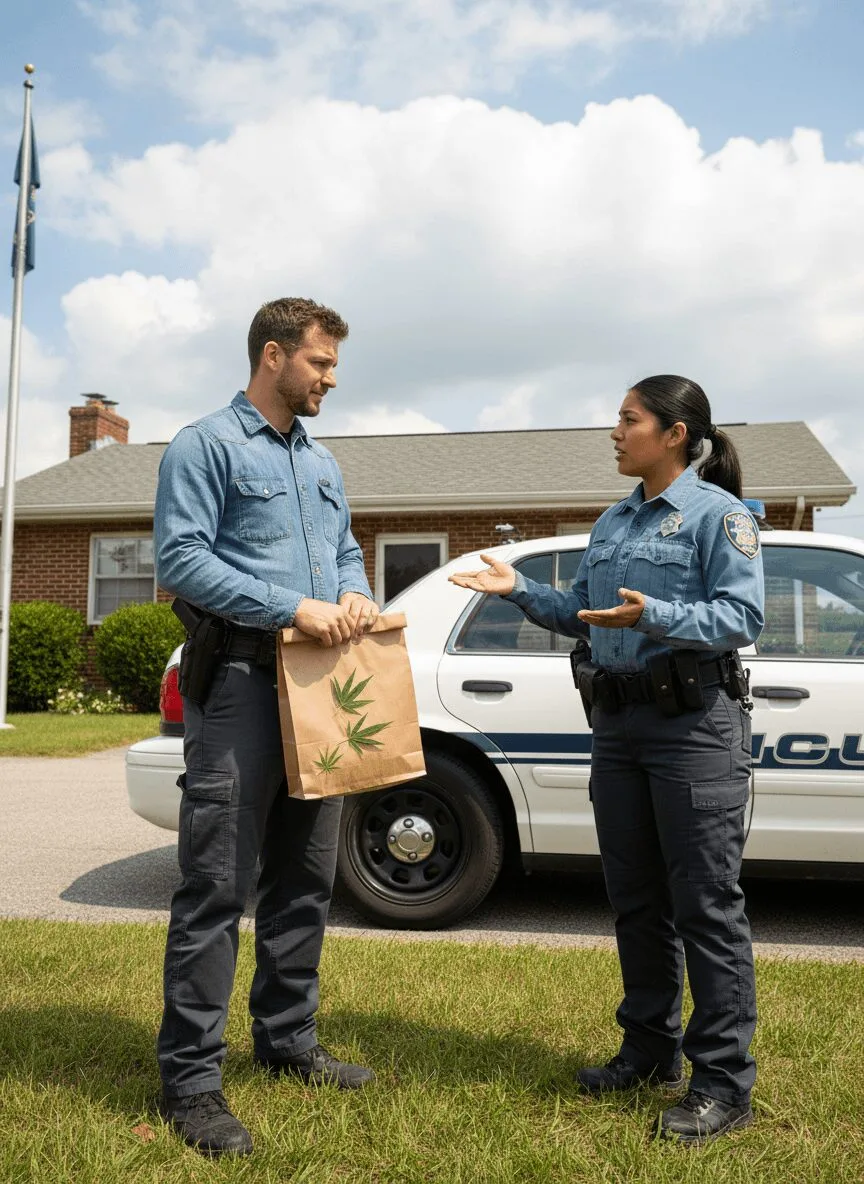
- Officers reportedly discovered cannabis during a routine traffic stop on College Drive, issuing citations to two adult occupants for possession.
- Separate incident: Juvenile found with a small amount of cannabis in the city park, leading to parental notification and a formal warning.
- All cannabis confiscated was noted as evidence, a process closely scrutinized by advocacy groups for procedural fairness.
- No large-scale busts reported. These are possession-level cases, common in towns where prohibition is strictly enforced, much like the dramatic collision with law detailed in this Texas case where daily life was abruptly interrupted by a high-profile arrest.
According to recent filings cited by the National Center for Reason and Justice, Decorah’s enforcement patterns reflect broader state policies. There’s steady, low-level marijuana enforcement, with critics arguing this does little to deter use but does add to criminal records, a point heavily debated in cannabis justice circles. Notably, no promotions or new directives were announced within the Decorah Police force. These actions appear standard, but are drawing more attention because of the shifting tides in public opinion and media scrutiny.
Expert Analysis, Cannabis Justice, and Local Impacts
Here’s where a chill cannabis insider’s take really sharpens the picture. When small-town police departments like Decorah’s stay laser-focused on weed possession, they risk missing the broader culture shift and wasting resources that could fight genuine crime. As Leafly’s criminal justice columnist Bruce Barcott puts it: “The war on cannabis is a war on ordinary people, mostly over minor possession. As new states legalize, holding the line on these petty offenses only alienates officers from their communities.” Let’s be real, Decorah isn’t alone. These enforcement patterns echo larger drug networks and policy divides as shown by how regional drug enforcement extends beyond just cannabis possession, involving networks stretching through the Midwest and South. The trend of giving juveniles formal warnings is actually a baby-step win—less punitive, possibly educational. Still, the Decorah Police marijuana report highlights Iowa’s resistance to the green wave sweeping most of the Midwest. Industry experts widely agree: “Criminalizing small amounts no longer aligns with American values or policy trends,” says cannabis policy analyst Morgan Fox in a recent NORML report. That’s the underlying story here, law enforcement caught in the slow-moving gears of state reform, while public opinion goes full throttle toward normalization and sensible regulation.
Future Outlook and Positive Momentum for Cannabis Change
Despite the ongoing friction, the Decorah Police marijuana report could actually signal progress. Each citation sparks debate and brings outdated policies into the spotlight. As major sources like Pew Research confirm, a large and growing majority of Americans favor legalization—for both medical and recreational use. With neighboring states rapidly shifting, Iowa leaders face mounting pressure to revisit outdated laws. Forward-thinking officers and communities are ready to pivot, seeking better use of police resources, harm reduction, and restored trust. As interest in cannabis equity and public health grows, even small towns like Decorah will likely see policy reform accelerate. The Decorah Police marijuana report reminds us: progress isn’t always a straight line, but the direction is clear, and the future of cannabis acceptance looks a lot brighter than the headlines suggest.
Originally reported by: decorahleader.com
4 Comments
Pingback: How Psychedelic Effects on Values Could Transform Your Beliefs
Pingback: Central Business District armed robbery: What Happened Next?
Pingback: Sacramento company layoffs: What’s causing job cuts now?
Pingback: Juvenile Drug Arrest: What Every Parent Needs to Know Now