


Minnesota Cannabis Industry: Latest Growth & Market Insights
The Minnesota cannabis industry is in the spotlight right now, drawing attention from lawmakers, business leaders, and curious locals alike. Minnesota’s entry into legal cannabis comes at a time when U.S. states are racing to develop regulated markets, and green entrepreneurship is blossoming across the Midwest. With changes in law, slow but steady business launches, and significant public interest, this industry’s transformation carries far-reaching social and economic implications. This article covers the background, key events, expert insights, and what’s next for the Minnesota cannabis industry.
Understanding the Legal Foundation of the Minnesota Cannabis Industry
The rise of the Minnesota cannabis industry is rooted in the state’s progressive approach to legalization, which reflects broader national trends. In 2023, Minnesota became the 23rd state to legalize recreational cannabis, marking a milestone for advocates and entrepreneurs alike (The New York Times). Unlike some states, Minnesota aims to balance safe market access, social equity, and public health. The Minnesota Office of Cannabis Management regulates the industry, ensuring compliance and safety. The state has prioritized licensing for local small businesses and social equity applicants, specifically those disproportionately impacted by past prohibition. Much like recent changes to Massachusetts cannabis laws, Minnesota’s regulatory frameworks remain fluid, with updates emerging as agencies fine-tune rules for cultivation, licensing, and retail. As the state rolls out new regulations and oversees initial sales, all eyes are on how effectively Minnesota can avoid pitfalls seen in peers like California and Illinois (Marijuana Moment).
Key Developments & Issues in Minnesota’s Cannabis Landscape
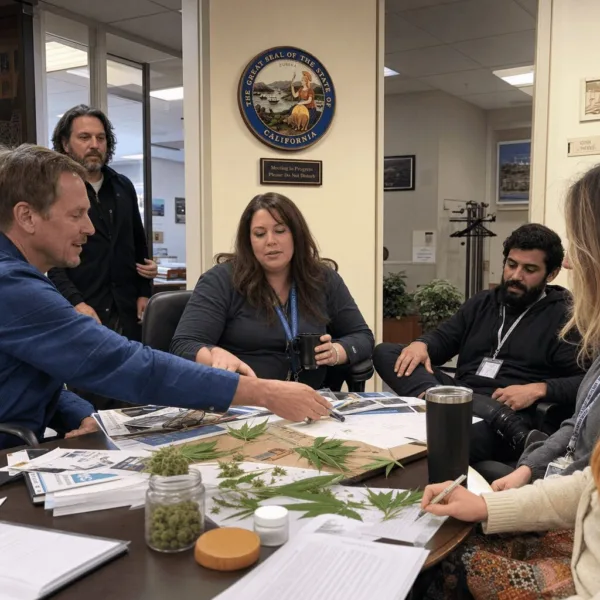
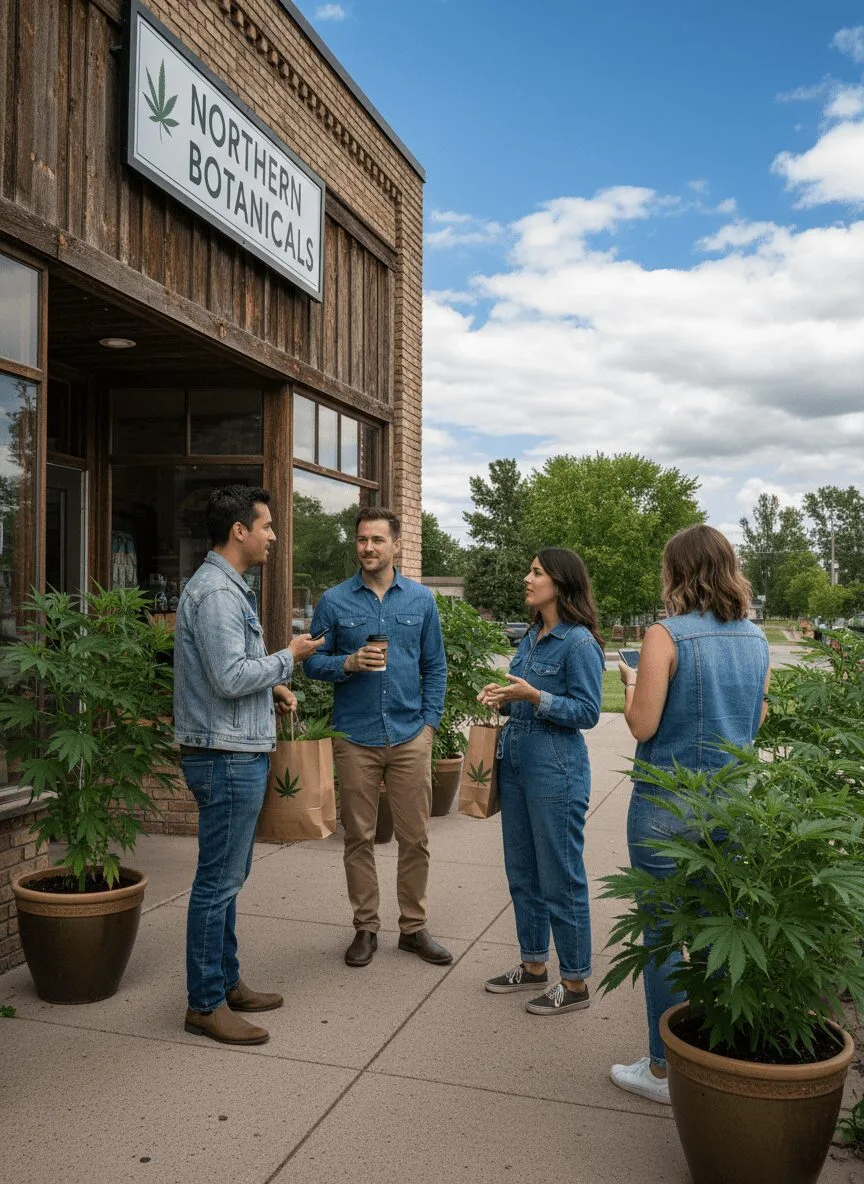
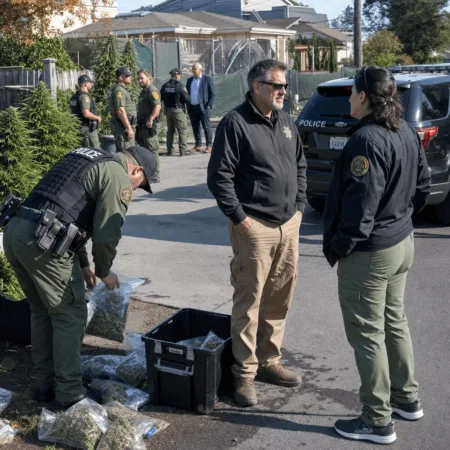
In recent months, the Minnesota cannabis industry has seen a slow but promising build-out of retail and production operations. According to WKBT News 8, business owners, including local names like Grounded Gardens and Minnesota Native Cannabis, have begun cultivating their first legal crops. However, despite legalization in mid-2023, fully licensed dispensaries have yet to open statewide due to a lengthy regulatory process, much like delays experienced in states awaiting new adult-use cannabis licenses such as New York. Delays arise from thorough background checks, zoning requirements, and community consultations. The Office of Cannabis Management projected that licensed cannabis stores will begin opening by early 2025, with medical dispensaries operating lawfully under separate rules. A gray area persists as delta-8 and hemp-derived products are available at some retail outlets while the official market takes shape—a trend complicated further after judicial rulings in states like Ohio. Social equity and local small businesses face hurdles in funding, compliance, and supply chain organization, making the rollout a true test of policy and patience. Recent town hall meetings and public comments reflect both excitement and frustration, as community members demand transparency and clear timelines from regulators (Star Tribune).
Expert Analysis, Insights, and Pro-Cannabis Perspectives
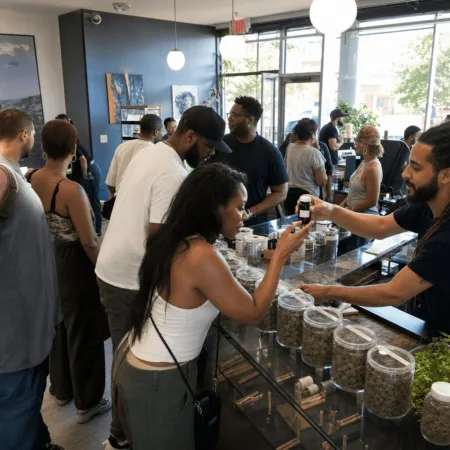
Cannabis entrepreneurs and industry insiders agree, Minnesota’s slower approach could create a stronger foundation for long-term success. According to High Times, starting slow helps regulators learn from rocky rollouts elsewhere and embrace social equity as a core principle. Expert and advocate Sarah Stoesz of the Minnesota Cannabis Business Alliance states, “The learning curve for Minnesota is steep, but we’re building something uniquely community-driven and health-focused. That’s worth the wait.” (quoted in MJBizDaily). Industry leaders point out that the Minnesota cannabis industry is investing in consumer education, public health, and partnerships with farmers. Early emphasis on small-scale operators over multi-state giants sets Minnesota apart. The topic of how certain retail dispensaries attract a broader and more inclusive customer base is getting national attention, for instance, with women-friendly cannabis dispensaries changing the market landscape. Thoughtful regulation and ongoing feedback mechanisms, such as open comment periods and local task forces, are increasing public trust and smoothing the process for future business owners. This unique blend of caution and ambition is what many hope will stabilize the Minnesota cannabis industry, not just for business but for the people it serves.
The Road Ahead: Hopeful Signs for Minnesota’s Cannabis Market
Looking forward, the Minnesota cannabis industry holds immense promise as new licenses are issued and entrepreneurs enter the landscape. The combination of strong local involvement, careful regulation, and demand for safe products bodes well for future growth. With continued feedback from local communities and oversight by the Office of Cannabis Management, consumers and business owners alike have plenty of reasons to feel optimistic. As social stigma fades and the state’s knowledge base deepens, Minnesota could emerge as a model for responsible, equitable cannabis legalization. Recent NORML reports reinforce this hopeful outlook—underscoring that with the right mix of patience and persistence, the Minnesota cannabis industry is on track to thrive.
Originally reported by: news8000.com

1 Comment
Pingback: Billy Strings concert event – Experience the Ultimate Live Show