How Psychedelic Effects on Values Could Transform Your Beliefs
It’s a wild time for both cannabis and psychedelics. As mainstream science and society revisit plant medicines, big discoveries are emerging. Especially when it comes to the psychedelic effects on values—the way these substances might shift your personal priorities, beliefs, or even long-held worldviews. In light of recent clinical findings and shifting public debates, it’s more important than ever to unpack how psychedelics—and the changing conversation around them—may transform not just how we feel, but how we think and what we care about.
Understanding the Regulatory and Social Context
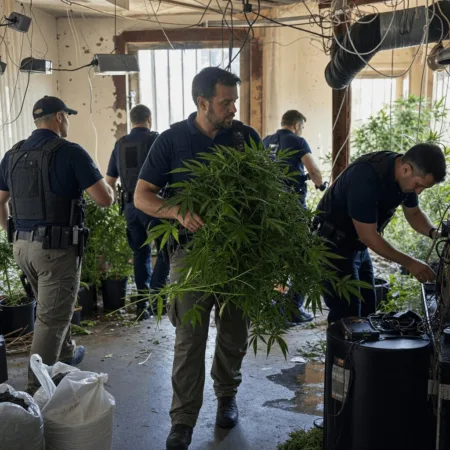
The last decade has seen a dramatic turn in cannabis and psychedelic policy. Once taboo, substances like psilocybin and cannabis are now at the heart of medical studies and public votes. For example, the DEA has recently proposed new rules to expand research access. Meanwhile, cities including Denver and Oakland decriminalized personal use, spurring broader acceptance. This profound shift in policy mirrors changing cultural norms. According to Pew Research, most Americans now favor legalization of cannabis, while support is quickly growing for psychedelics in therapeutic settings. Debates over cannabis law at the state and local levels remain heated, with communities experiencing ripple effects of enforcement—such as those recounted after certain high-profile police actions and local debates, seen in recent local police reports that sparked community discussion. Regulators are still catching up, but public demand for transparent research, safe access, and real-world data on psychedelic effects on values just keeps rising.
Key Developments: What Science Tells Us About Psychedelic Effects on Values
Recent groundbreaking research from the Journal of Psychopharmacology reports that psilocybin—the active compound in “magic mushrooms”—can prompt lasting changes in personal values even among healthy volunteers. Unlike casual recreational conversations about ‘seeing new perspectives,’ this peer-reviewed study followed participants for months after dosing. Scientists at Utrecht University administered psilocybin in a controlled environment. The outcome? A notable portion of participants, more than 30%, reported lasting value shifts: placing stronger emphasis on universalism (think: care for others and nature), self-direction, and personal growth. The study started in 2023 and tracked outcomes into 2024. While some changes faded over time, certain attitudes persisted, challenging assumptions that only deep therapy prompts internal transformation. These findings dovetail with other trials, like those led at Johns Hopkins, showing similar long-term impacts of psychedelic experiences on worldviews and well-being. The fact that such shifts in values happen even without traditional therapy is a game-changer according to Nature, and signals new territory for both science and policy. Meanwhile, as psychedelic research accelerates, regulators are grappling with how to classify and permit these substances. The Food and Drug Administration (FDA) granted breakthrough status to psilocybin therapy for depression, signaling high scientific credibility and an urgent need for updated rules. Psychedelic effects on values aren’t merely philosophical—they’re now a measurable outcome of clinical research. As legalization efforts evolve, insights drawn from dramatic policy shifts and legal challenges, such as those surrounding state-level hemp rulings that sent shockwaves across advocacy groups, could reshape future discussions.
Expert Insights and the Broader Impact on Cannabis and Psychedelic Culture
So, what does all this mean for the modern cannabis community, and for anyone curious about self-development? The idea that a guided psychedelic session can actually nudge your core values isn’t just mind-blowing, it’s industry-changing. As long-standing cannabis advocates, we know how stigma crumbles when science finally gets a seat at the table. In fact, cannabis-centered publications have long championed the cross-pollination between cannabis and psychedelics, with Leafly describing psychedelics as the next big disruptor.
According to Dr. Robin Carhart-Harris, a leading psychedelic researcher formerly at Imperial College London, “Psychedelic substances have the potential to fundamentally enhance our sense of interconnectedness, both within ourselves and with others around us” (Nature). This matters because shifting attitudes on personal values may reduce stigma, boost empathy, and inspire new models for mental health support. The cannabis industry, always the cool cousin in the plant medicine family, is uniquely poised to support these changes. Cannabis lounges, once seen as social oddities, now provide real-world labs where conversations about psychedelic effects on values thrive. Community events and educational meetups organized by advocacy groups, like the National Organization for the Reform of Marijuana Laws (NORML), reflect this evolving ethos every day. Parallel movements can often be seen in vibrant music and cannabis event culture, and nothing highlights this dynamic better than the way live community gatherings, reminiscent of celebrations described in reports on large concert events fueled by shared cannabis appreciation, help spread new attitudes and support safety and openness in plant-based wellness.
These trends aren’t just academic footnotes. They shape our actual markets and cultural norms. As more people report positive shifts in their core values after safe, intentional experiences, demand for thoughtful regulation and harm reduction goes up. The cannabis sector has the know-how to usher in this nuanced era, one where both science and lived wisdom drive safer, more meaningful access.
Outlook: Better Days Ahead for Conscious Cannabis and Psychedelic Users
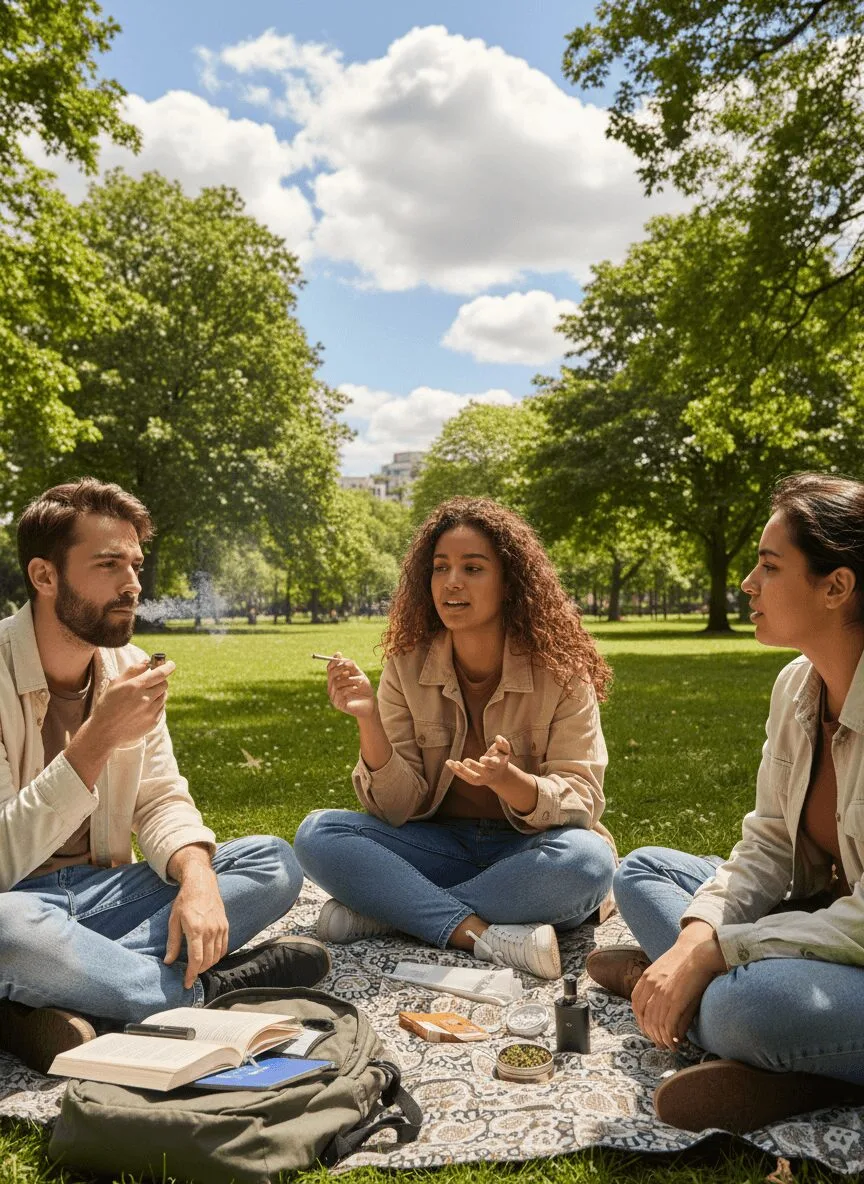
We’re heading toward an era where the psychedelic effects on values are not only better understood but openly discussed at every level—from therapy clinics to backyard picnics. The expanding body of real-world research, coupled with ongoing policy innovation, signals a promising future. Cannabis and psychedelics are here to spark more inclusive debates, level up mental health care, and chip away at outdated stigma. Regulators are learning from the cannabis industry’s playbook, bringing harm reduction, education, and community-building to the center. As Forbes recently reported, the next decade could see plant medicines at the heart of wellness, policy, and personal transformation. If the psychedelic effects on values continue to hold up under scientific scrutiny, we could be living in a world that values empathy, openness, and deeper connections—one bowl, conversation, and research breakthrough at a time.
Originally reported by: psypost.org