


Wisconsin OWI THC arrest: Shocking Repeat Offender Stopped
The spotlight is on Wisconsin again as another Wisconsin OWI THC arrest hits headlines. With cannabis reform a hot topic and impaired driving grabbing everyone’s attention, recent events are sparking heated conversations. This case—featuring a repeat offender nabbed for both THC possession and his seventh OWI—underscores the ongoing friction between evolving cannabis attitudes and old-school law enforcement approaches. Let’s break down what happened, dig into the regulations, and see how this incident fits into the bigger cannabis culture and legal debate.
The Culture Clash: Cannabis Legalization and OWI in Wisconsin
Wisconsin, known for its progressive neighbors and passionate debates, remains one of the few Midwest states maintaining cannabis prohibition. Although nearby states like Illinois and Michigan have legalized recreational marijuana, Wisconsin still classifies cannabis as illegal. Operating While Intoxicated (OWI) rules are strict here, and any amount of THC in a driver’s system can trigger criminal charges, regardless of impairment. This zero-tolerance approach, enforced under Wisconsin Statute 346.63, is frequently cited by law enforcement and debated by industry insiders. The steady rise in cannabis use, paired with strict driving regulations, has created complicated legal and social landscapes. As policy activists point to neighboring states’ success, including Illinois—which has seen a significant drop in cannabis-related arrests since legalization, according to The Chicago Tribune, it is also important to watch how other states address medical cannabis protections, like in Nebraska, where new safeguards have recently been enacted for doctors.
The Arrest: Facts, Timeline, and Legal Fallout
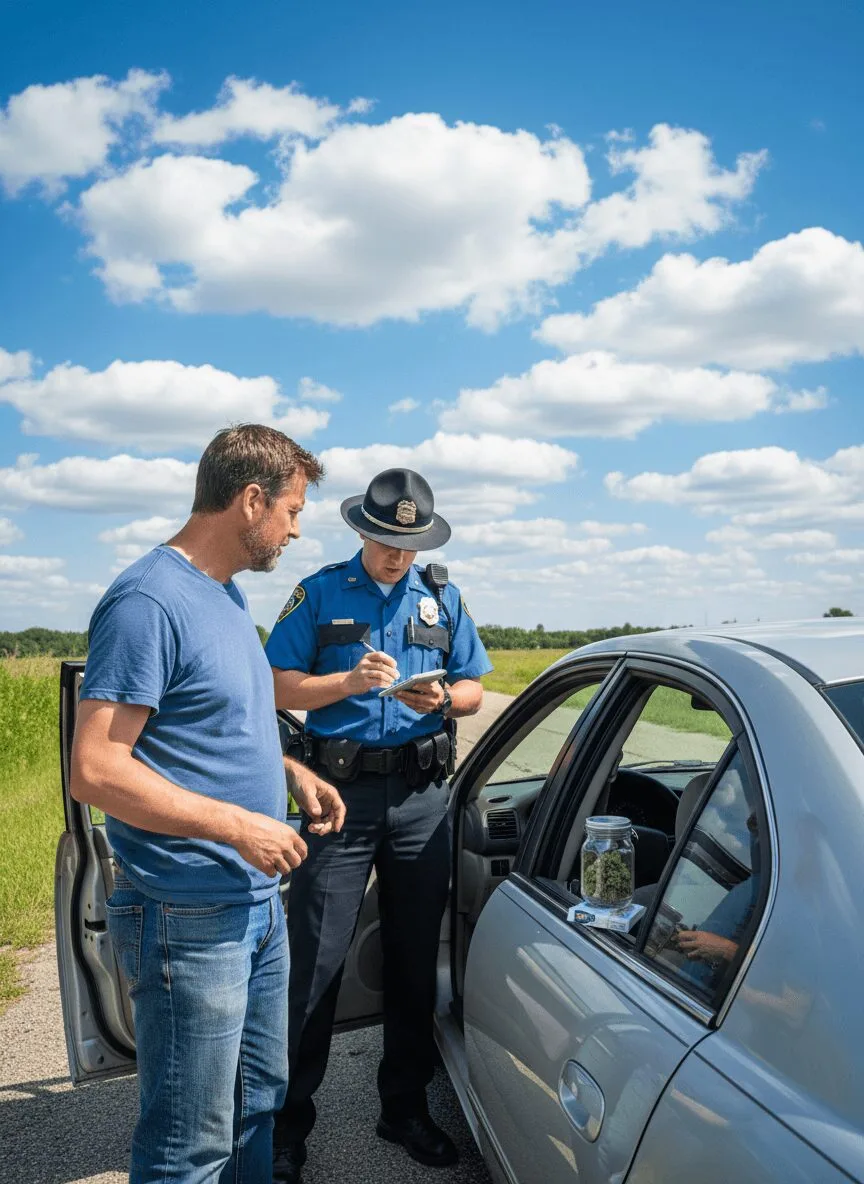
Let’s get into the gritty details. On a sunny Wisconsin highway, a man with a long history of impaired driving—six prior OWI busts—was pulled over for speeding. According to local news reports, officers detected signs of impairment, and a subsequent search revealed both THC products and paraphernalia inside the vehicle. This marked his seventh OWI, an extraordinary number that underscores ongoing questions about enforcement and rehabilitation. Local authorities charged him with both OWI and possession of THC, echoing standard operating procedures in Wisconsin’s zero-tolerance context. Community reaction has been mixed—some push for stricter penalties while others call for a more nuanced approach reflecting changing attitudes about marijuana. As lawmakers consider new cannabis-related bills focused on reforming how marijuana and driving offenses are handled, debates at legislative bodies echo those seen in other states, such as Kentucky, where the state capitol is also debating cannabis policy changes. The arrest’s timing couldn’t be more relevant, given the ongoing push for broader cannabis reform across the Midwest, as covered by the Ganjapreneur and other cannabis-focused media.
Expert Analysis: Balancing Public Safety and Cannabis Realities—Wisconsin OWI THC arrest Context
The Wisconsin OWI THC arrest highlights a larger issue: how policymakers might balance public safety with practical cannabis reform. According to cannabis law specialist Hilary Bricken, featured in Canna Law Blog, “Treating all drivers with any trace of THC identically to those who are demonstrably impaired misses both the science and the spirit of modern cannabis regulation.” There’s mounting research that tests for THC in the bloodstream often don’t align with actual impairment (New York Times), as cannabis metabolites stay in the body long after effects diminish. This makes Wisconsin’s current law seem out of sync with modern science. Advocacy groups and industry professionals are urging officials to look at data-driven models, such as those implemented in Colorado, and also to consider the impact of broader zoning and regulation questions, similar to ongoing changes in Minnesota’s rapidly developing cannabis zones. If public health is the ultimate goal, policies must be updated to reflect evolving scientific understanding and avoid imposing excessive penalties on responsible adults.
Where We’re Headed: Hope, Progress & Cultural Change
So, what does this Wisconsin OWI THC arrest mean for the state’s future? Despite the recent controversy, there is cautious optimism. More Wisconsinites are backing reform, and national trends point toward increased legalization and smarter, more scientifically grounded approaches to cannabis and driving. As Marijuana Moment reports, support for legalization continues to climb. Forward-thinking policy, fair treatment of cannabis users, and reasonable enforcement will define the next era. Until then, cases like this serve as wake-up calls. They remind us why it’s so important to bridge the gap between public safety and personal freedom, and to ensure that law and policy keep pace with reality, not fear.
Originally reported by: wearegreenbay.com