





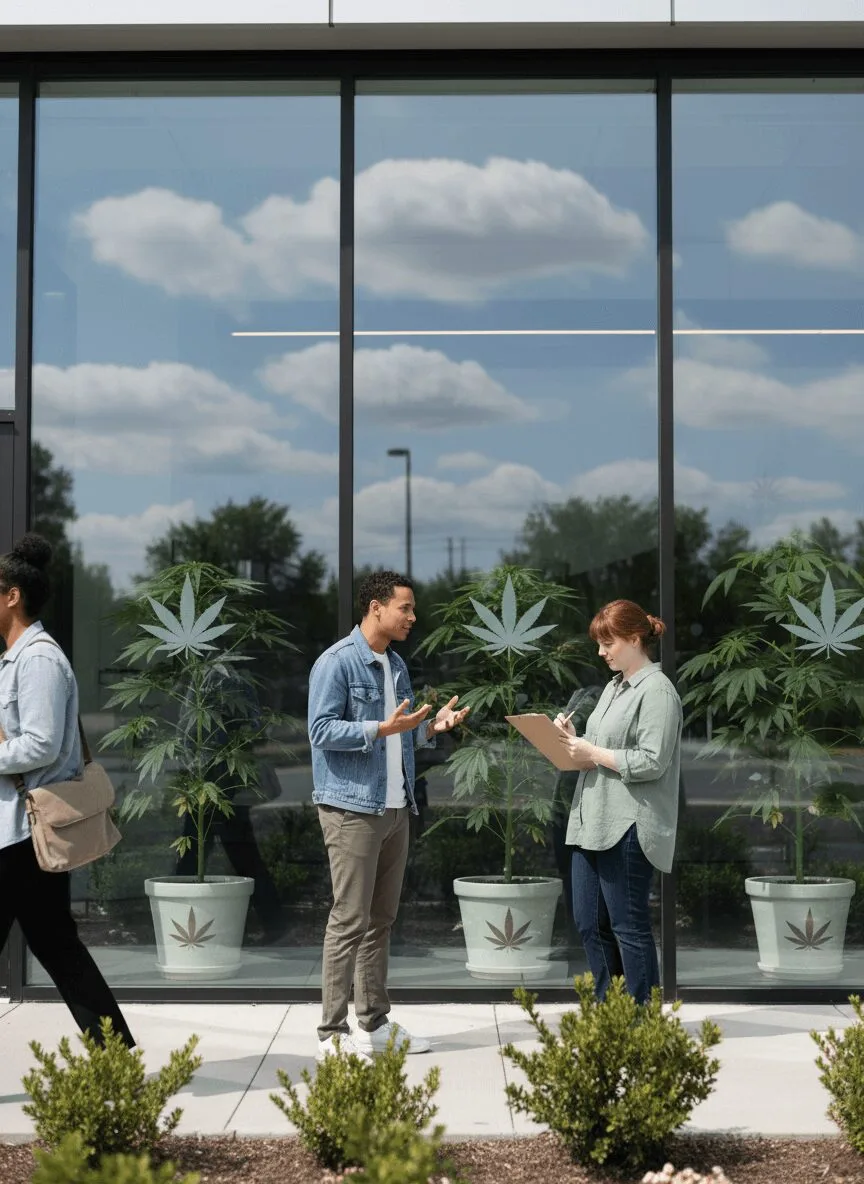
Marijuana Treatment Center Regulation: Crucial Updates & Oversight
The cannabis industry is heating up, and if you’re paying attention, you know marijuana treatment center regulation is front and center in 2024. Demand is fueling growth, but fast expansion means regulators are tightening the rules to keep both patients and the public safe. From strengthening oversight to new transparency requirements, what’s happening right now is set to send ripples through the whole cannabis landscape. Let’s break down why this moment matters, how these regulations could change the scene for patients and businesses alike, and get you up to speed on the latest must-know developments.
Understanding the Current Landscape: How Marijuana Treatment Center Regulation Evolved
For years, medical marijuana has danced a tricky tango with local and federal laws. NORML and other advocacy groups have pushed for responsible regulation, aiming to balance patient access with community safety. As more states green-light medical cannabis, there’s a push for consistent marijuana treatment center regulation across the market. State legislatures, like those in Florida, have crafted new oversight programs to check everything from product safety to how treatment centers are run. High-profile investigations—such as recent scrutiny of potential black market connections—have reminded the public just how crucial transparency is; for a behind-the-scenes look at what the headlines aren’t revealing about these issues, see this in-depth look at dispensary black market investigations.
Recent years saw gaps in transparency and enforcement, giving some bad actors too much leeway. According to findings from Leafly News, the last wave of regulations fixed some issues, but a patchwork of rules remained. Now, the race is on for tighter, clearer marijuana treatment center regulation that levels the playing field and better serves patients. Social attitudes are also shifting as states like New York and Illinois report strong support for clean, accessible medicinal cannabis—the future’s looking green, but accountability has never been more important and the recent updates on the latest New York cannabis licenses reflect just how dynamic the field can be.
Major Developments & Issues: What’s Changing in Marijuana Treatment Center Regulation
The most urgent update? A proposed regulation in Florida aims to overhaul oversight of all licensed marijuana treatment centers, according to WUSF News. The story, published on February 6, 2026, details a comprehensive bill introduced to the state legislature with bipartisan support. The legislation would require stricter background checks for all management and staff, mandatory real-time inventory tracking, and beefed-up patient data privacy measures. Treatment centers would need to undergo new state inspections and provide transparent audit trails on every product shipment. With recent headlines spotlighting enforcement across the nation, the major Oklahoma marijuana seizure shows why oversight is more than just paperwork—it’s become central to how states prove legitimacy and protect patients.
According to the Florida Department of Health, this push comes after a series of public hearings and increasing scrutiny from patient advocacy groups. Industry leaders from companies like Trulieve and Curaleaf are expressing guarded optimism. The proposed law also targets vertical integration loopholes, aiming to prevent monopolies while supporting smaller operators and fostering competition. Recent federal indictments involving local cannabis shops further highlight gaps in enforcement that this legislation hopes to address.
The bill has already sparked passionate debate, with some opposing voices worried about increased compliance costs and possible patient care delays. Still, most medical cannabis users favor better oversight—especially for tracking product quality and preventing diversion into the illicit market. With the legislative session underway, all eyes are on how lawmakers strike a balance between effective marijuana treatment center regulation and business sustainability. For a look at broader delays in federal reform, see what’s really holding things back in 2024 in this analysis of marijuana rescheduling delays.
Expert Analysis: What Tighter Regulation Means for the Cannabis Community
So, what’s the real impact of this regulatory shift? Better marijuana treatment center regulation almost always means safer products and more trust from patients, but the devil’s in the details. As MJBizDaily reports, successful regulation can increase market stability, attract new investors, and drive out shady operators, provided the rules make sense for all players, especially smaller, homegrown dispensaries. For perspective on how law enforcement actions can affect cannabis policy debates and the local industry, take a look at the community impact of a recent marijuana trafficking arrest in Troy.
Dr. Rachel Levine, a well-known voice in medical cannabis regulation, put it bluntly: “Regulation isn’t about punishment—it’s about building an industry people can actually count on for quality and consistency.” (Cannabis Business Times) This isn’t just government red tape, it’s about setting standards that lift everyone up, not just the big dogs.
However, don’t let all these changes harsh your mellow. The focus is on patient safety, stopping black market leaks, and giving everyone, from budtenders to CEOs, a shot at building a trustworthy cannabis ecosystem. Still, some advocacy groups like Americans for Safe Access caution that excessive compliance fees could squeeze out smaller dispensaries. That’s why ongoing community involvement—especially from people with lived experience in medical cannabis—is vital for balanced marijuana treatment center regulation. If you’re curious how social trends in adjacent sectors are impacting the conversation, check out emerging psychedelic microdosing trends shaping 2024.
Looking Forward: New Marijuana Treatment Center Regulation Could Be a Win for Everyone
Despite the bumps in the road, the future of marijuana treatment center regulation is looking like solid growth territory. Patients, entrepreneurs, and doctors are finding common ground, and with smart oversight, the cannabis community is poised to set national examples for health-focused regulation. As recent reports from Pew Research Center reveal, public support for medical cannabis keeps rising, pressuring lawmakers to prioritize clear and compassionate policies.
In the next few years, expect evolving marijuana treatment center regulation to drive stronger standards, invest in staff education, and encourage sustainable business practices. So, whether you’re a patient, cultivator, or just cheering from the sidelines, these regulatory changes could finally deliver the safe, transparent, and fair marketplace the industry’s been fighting for. The cannabis movement isn’t just surviving—it’s thriving, and with the right oversight, everyone wins.
Originally reported by: wusf.org


2 Comments
Pingback: Marijuana rescheduling executive order: What CBD needs to know
Pingback: Oklahoma medical marijuana vote: Senate Leader Pushes Back