


Abilene CBD THC indictment: Shop Owners Face Major Charges
If you’ve been paying attention to the cannabis scene lately, the Abilene CBD THC indictment is impossible to miss. These recent indictments have sent shockwaves through both the Texas cannabis community and the general public. With ongoing debates over CBD, THC, and legal ambiguities in Texas, these charges are at the center of a much bigger conversation about hemp laws, consumer rights, and small business risks. In this piece, we’ll break down why the case matters, what’s actually happening, and what it means for the evolving world of cannabis commerce.
Regulatory Roadblocks: The Complicated Cannabis Landscape in Texas
The Abilene CBD THC indictment sits at the crossroads of a rapidly shifting legal environment. In Texas, cannabis laws are notoriously strict, even as NORML Texas and other advocacy groups strive for reform. Hemp-derived CBD is technically legal under the 2018 Farm Bill, but THC, especially in high concentrations, remains a controlled substance. Recent cases like those involving law enforcement scrutiny over the distinction between legal hemp and illegal marijuana have left many within the industry concerned—echoing the challenges faced in investigations of dispensaries and black market operations that highlight the risks of the current system. According to The Texas Tribune, enforcement varies widely from county to county, leaving businesses uncertain and often at risk, even when trying to comply with the law. Local attitudes are slowly warming, with more Texans supporting broader cannabis reform. However, the law still lags behind public sentiment, resulting in cases like the Abilene CBD THC indictment and fueling ongoing legal ambiguity.
Key Developments: Breaking Down the Abilene CBD THC Indictment
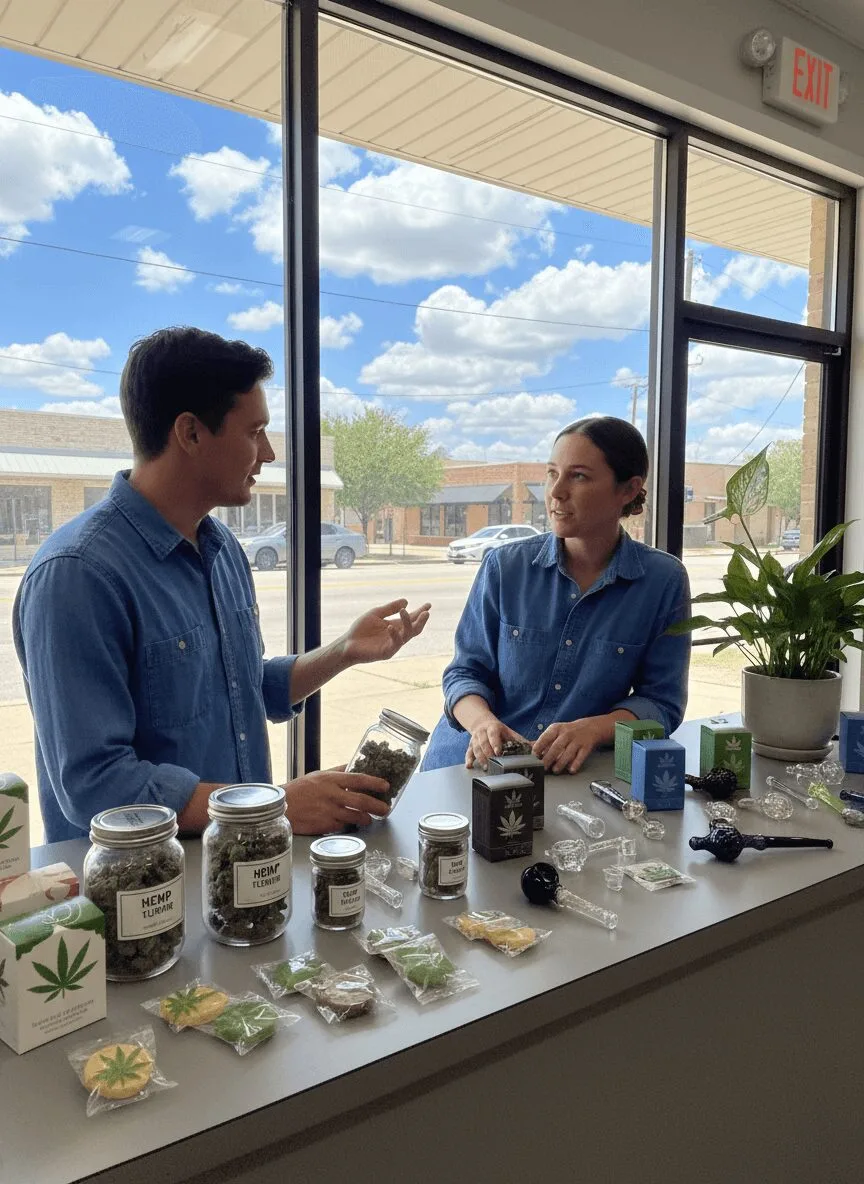
The recent Abilene CBD THC indictment centers on two shop owners who have found themselves in the legal crosshairs. According to Big Country Homepage, the duo behind Surprise Surprise CBD were indicted on felony charges after law enforcement alleged that some of their products contained illegal amounts of THC. During a targeted raid, police seized edibles, vape cartridges, hemp flower, and other items suspected to exceed the .3% THC legal threshold. The charges, filed in late May 2024, mark one of the most significant legal actions against a CBD shop in West Texas to date. This mirrors actions seen nationally, such as the high-profile Oklahoma marijuana bust, highlighting how enforcement can impact not just individuals but entire communities and markets. Court filings claim there was intent to distribute substances classified as marijuana, not compliant hemp, under state law. The shop owners vigorously dispute these claims, insisting that their inventory meets legal standards and that improper field testing led to unwarranted prosecution. According to legal filings, the indictment could carry serious penalties if convictions are secured, turning a spotlight on the risks small businesses face in the current Texas regulatory climate.
Expert Analysis: Navigating High Stakes and Shifting Norms
The Abilene CBD THC indictment joins a growing list of legal battles shaping today’s cannabis industry. With the state’s laws lagging behind both consumer demand and federal reforms, these cases set important precedents. As Leafly’s government cannabis policy expert Bruce Barcott explains, “Every indictment like this puts Texas’s uneven policy approach under the microscope. Law enforcement is often left to interpret laws that need urgent updates to reflect modern science and consumer preferences.” Notably, parallel controversies in cannabis and related industries are fueling national debate, including the growing influence of psychedelic microdosing as an alternative or adjunct to traditional cannabis consumption and enforcement. What’s at stake here isn’t just freedom for the Abilene shop owners, but the ability for small, legal businesses to operate without fear of sudden prosecution. The cannabis community sees this case as part of a national dialogue about overcriminalization, consumer protection, and regulatory clarity. Industry leaders argue that well-regulated dispensaries are safer for everyone, something most cannabis reform campaigns continue to emphasize. If nothing else, the controversy underscores the need for legal guidance, standardized testing, and reasonable enforcement.
Where Do We Go From Here? Looking Past the Headlines
Despite headlines like the Abilene CBD THC indictment, Texas’s cannabis future remains promising. Social acceptance is rising, and legislative momentum is building. As Marijuana Moment recently reported, over 60% of Texans now favor some form of marijuana legalization. Every legal challenge underscores the urgent need for clearer rules and fairer enforcement. The case helps fuel ongoing education and advocacy efforts, pushing Texas closer to a balanced approach that supports small business owners and consumers alike. With smart policy and continued public awareness, the cannabis industry can turn these growing pains into stepping stones for the future.
Originally reported by: bigcountryhomepage.com
1 Comment
Pingback: Marijuana Treatment Center Regulation: Crucial Updates & Oversight