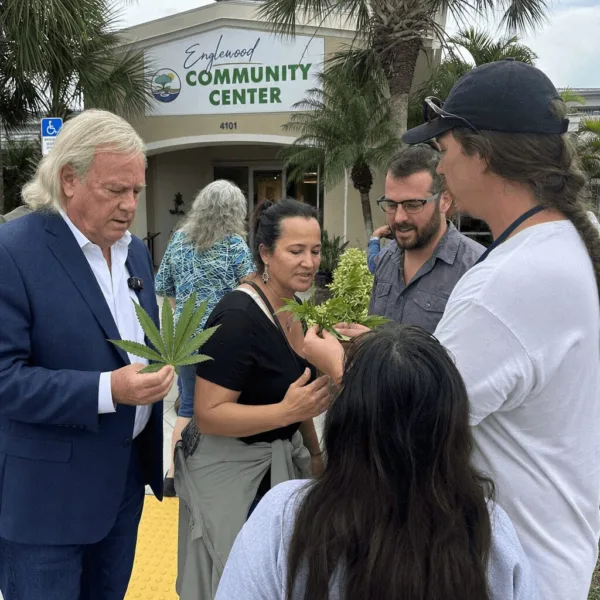


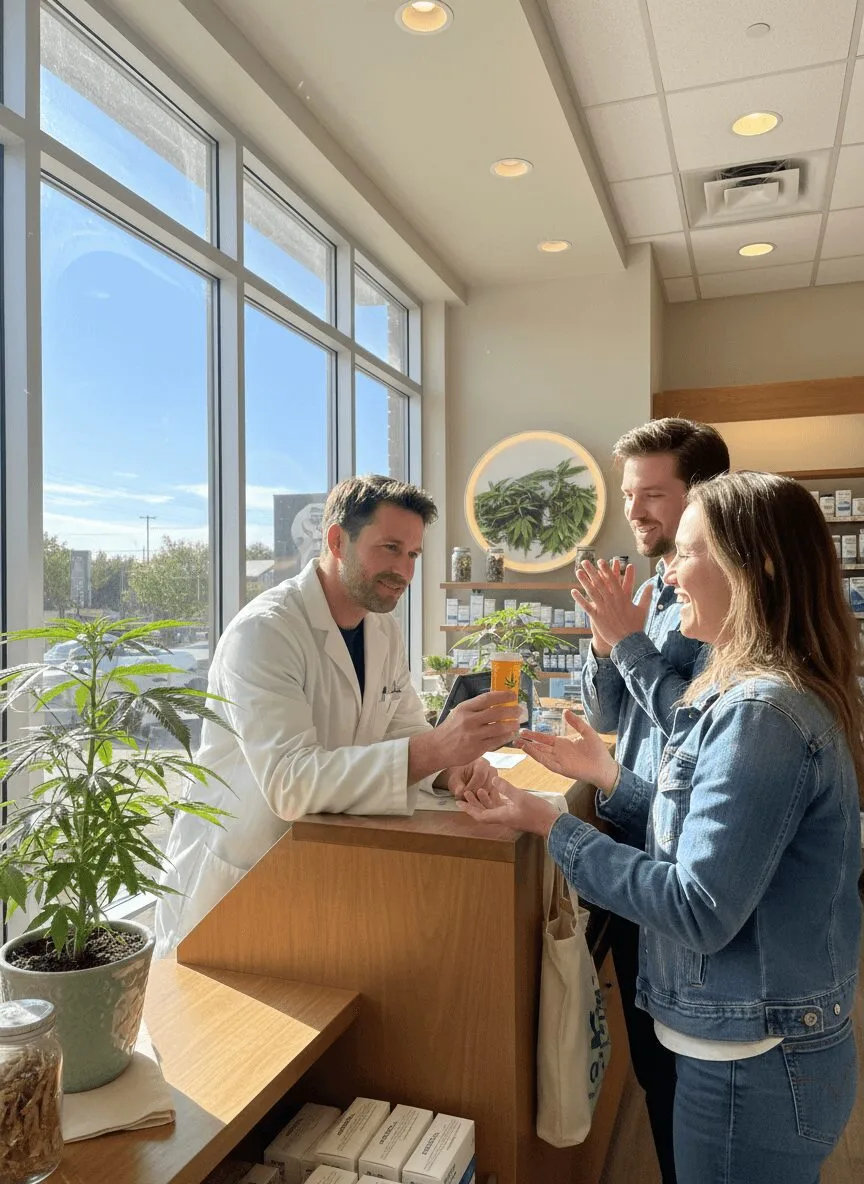
It’s a pivotal moment in Colorado’s cannabis scene: THC-free prescription CBD has landed at local pharmacies. As health awareness soars and regulations evolve, this breakthrough signals both growing mainstream acceptance and rising patient demand. Today, we’re diving into why THC-free prescription CBD matters, how it’s shaping pharmacy landscapes, and what consumers, patients, and advocates should know about this milestone.
Regulatory Roots and Industry Background: Opening Doors for THC-free Prescription CBD
Colorado has long been a trailblazer in cannabis reform, setting standards that ripple across the nation. The rise of THC-free prescription CBD is driven by both state-level initiatives and evolving federal stances. According to NORML, the 2018 Farm Bill federally legalized hemp-derived CBD below 0.3% THC, empowering broader access, but medical-grade and prescription-strength options remained rare and highly regulated. For communities looking at how cannabis programs can help rebuild social trust, the momentum from recent policy shifts has reminded advocates of the ways cannabis tax revenue can support community revitalization. Pharmacies became part of the conversation as health authorities and the U.S. Food and Drug Administration (FDA) recognized CBD’s potential (see FDA overview), and Colorado’s state programs have supported responsible retail, education for medical professionals, and updated pharmacy protocols to ensure that only rigorously tested, THC-free prescription CBD products reach consumers. Socially, the call for alternatives to traditional medications—including non-intoxicating CBD—continues to intensify, reflecting both medical need and shifting stigma.
Colorado Breakthrough: Key Players, Timing, and Developments in THC-free Prescription CBD Access
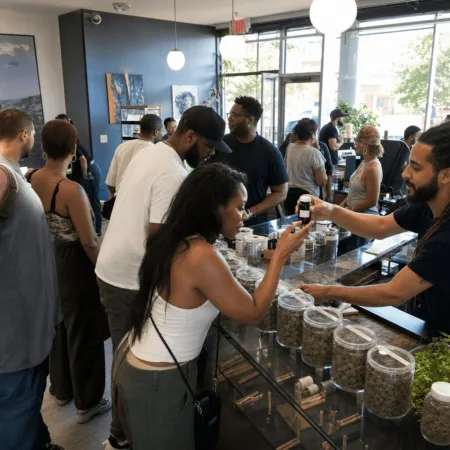
According to recent reports from KDVR, a leading pharmacy in Colorado launched the state’s first THC-free prescription CBD for patients in need. The debut was more than a quiet rollout, it attracted attention from pharmacists, local physicians, and advocacy groups. The selected pharmacy now dispenses prescription-only CBD solutions, all meticulously formulated to contain absolutely zero THC. Much like recent cases where evolving cannabis laws have had unexpected enforcement outcomes, drawing parallels with situations such as the California cannabis traffic stop that surprised advocates, this move required careful coordination with local health regulators, product manufacturers, and patient advocacy panels, according to The Denver Post. The prescription aspect is crucial: unlike general wellness CBD available over the counter, these products conform to strict medical standards, maximizing patient benefits while eliminating all risk of THC-triggered psychoactivity or potential legal issues for users sensitive to workplace drug tests. Pharmacists are now fully briefed on dosage, potential drug interactions, and patient eligibility, helping ensure that THC-free prescription CBD delivery is safe, compliant, and effective. With these systems in place, patients with conditions ranging from epilepsy to anxiety now have new, regulated options offered right where they pick up other medicine.
Expert Analysis, Industry Impact, and Cannabis Community Reactions
Industry watchers and cannabis advocates alike see this moment as more than just a local win, it signals a strategic step forward for integration of plant-based solutions within traditional medicine. For patients living with chronic conditions, the need for alternatives is underscored by reports showing that cannabis options for chronic nerve pain offer new hope for relief. As Dr. Rachel Knox, functional medicine physician and board-certified cannabinoid medicine specialist, explains in MJBizDaily: “Prescription-grade, THC-free CBD redefines patient care. We’re seeing evidence-based access that supports the healing journey, especially for those wary of THC or in zero-tolerance professions.” From a market perspective, the introduction of verified THC-free prescription CBD opens doors to previously untapped patient groups and skeptical healthcare professionals. Many in the community highlight the practical upside: patients who need relief but must avoid even trace THC due to employer testing or legal reasons. These tailored formulations bridge medical needs and real-world constraints. Moreover, advocates emphasize that collaboration between dispensaries, pharmacies, and medical practitioners is the foundation for patient trust and long-term growth. In the words of a recent Leafly health report: “When CBD products adhere to pharmaceutical protocols, access, consistency, and transparency all win.” With pharmacists joining the cannabinoid conversation, the stigma around cannabis-derived treatments continues to fade, reflecting the community’s persistent push for normalization and scientific validation.
Looking Forward: What THC-free Prescription CBD Means for Patients and Industry
The arrival of THC-free prescription CBD in Colorado’s pharmacies is more than a headline—it’s a window into the future of cannabis wellness. As legal structures adapt and science advances, we can expect greater avenues for safe, reliable access across the U.S. According to Project CBD, national surveys already show rising acceptance and demand for non-intoxicating cannabinoid therapies.
Colorado’s model—blending robust safeguards, medical expertise, and community education—may inspire similar policies in other states. The continued cross-pollination of cannabis culture and health care puts patients first, and it’s energizing to see old stereotypes replaced by open-minded innovation.
For advocates and the canna-curious alike, moments like this shine a bright spotlight on how far the movement has come—and hint at a future where plant-based, targeted therapies are just as mainstream as aspirin or insulin.
Originally reported by: kdvr.com