

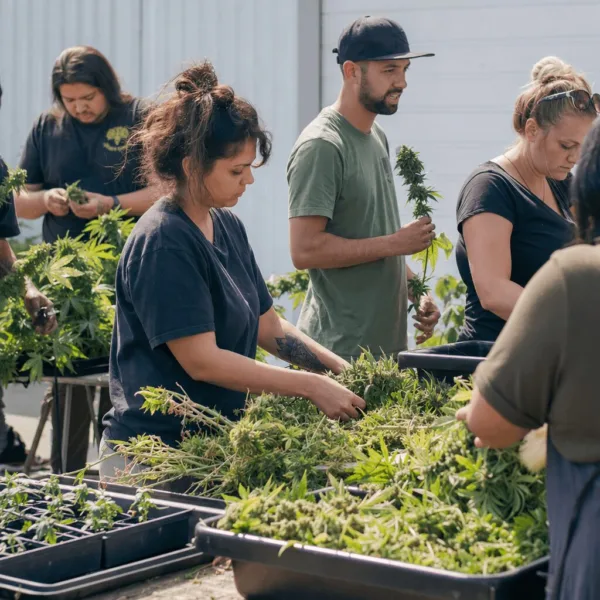




Comer hemp legislation: What Industry Leaders Want You To Know
If you’re tuned into the cannabis scene, it’s impossible not to notice how much noise the Comer hemp legislation is making lately. With the market’s rapid evolution and headlines packed with shifting laws, this moment feels like a crossroads for hemp in America. Today, the Comer hemp legislation sits at the heart of policy debates, grower conversations, and industry projections. From regulatory effects to real-world business impacts, let’s dig into why this bill matters, what’s got leaders buzzing, and how it could shake up cannabis—while pointing to a greener, more rational future.
Setting the Scene: Hemp’s Legal and Market Landscape
To appreciate the buzz around Comer hemp legislation, it’s vital to unpack where U.S. hemp stands today. The 2018 Farm Bill opened historic doors, legalizing industrial hemp with THC levels below 0.3% and kicking off a modern green rush (Congress.gov). Since then, the market ballooned, with everything from hemp fiber to CBD isolates fueling innovation and attracting major investment. But regulatory ambiguity persists, especially over the difference between hemp-derived cannabinoids (like delta-8-THC) and conventional marijuana (New York Times). States have a patchwork of rules, and federal guidance lags behind industry realities, leaving hemp producers navigating uncertainty around banking, interstate commerce, and even crop insurance—and drawing some interesting parallels to how states like Tennessee are facing questions of preparedness for broader cannabis regulations (see how Tennessee is preparing for potential medical marijuana rollouts).
Socially, Americans are more cannabis-friendly than ever, with attitudes toward all forms, hemp included, swinging in a positive direction, as noted in recent polls cited by Pew Research. But hemp is at a critical regulatory limbo: too legal to treat like marijuana, too stigmatized to be just another crop. That’s where the Comer hemp legislation steps in, pushing to define, protect, and standardize how this uniquely American plant gets treated by lawmakers and markets alike.
Key Developments: The Comer Hemp Legislation in Focus
The Comer hemp legislation, introduced by House Oversight Chairman James Comer, aims to fix industry pain points that have lingered since hemp’s federal re-legalization. According to the official press release from Rep. Comer’s office, the bill (filed in March 2024) seeks to clarify the legal definition of hemp, better distinguish between legal hemp and illegal cannabis varieties, and resolve conformity issues between federal and state laws.
Comer’s proposal has garnered attention from large farms, processors, and trade groups, including the National Hemp Association, which praised its “sensible approach to closing legal loopholes” while maintaining market access. The legislation specifically calls for new testing standards, efforts to allow banking and insurance access for hemp businesses, and clear protections for non-intoxicating cannabinoid products like CBD and CBG. If passed, it could standardize requirements across all states, mitigate the patchwork headaches plaguing both growers and retailers, and provide new funding for hemp research initiatives, as outlined in Hemp Grower Magazine.
The bill also lands amid a series of DEA advisory statements and legal disputes over so-called grey-market hemp-derived cannabinoids, particularly delta-8-THC, which remains legal in some states and banned in others (Forbes). These distinctions echo the challenges facing states where cannabis policy changes could reshape entire markets, much like recent fluctuations in Michigan’s sales data (read about Michigan’s evolving cannabis market). Industry insiders see the Comer hemp legislation as a strategic attempt to modernize outdated frameworks, while also appeasing stakeholders from grassroots farmers to national distributors. Hearings on the bill are expected to commence before the end of the current session, with both bipartisan support and some spirited debate from opponents who still conflate all cannabis products with high-THC marijuana.
Expert Insights: What Industry Leaders and Advocates Say
The Comer hemp legislation is getting a mix of applause and thoughtful scrutiny from industry experts. Morgan Fox, spokesperson for the National Cannabis Industry Association, summed it up in a recent conversation: “Any bill pushing real clarity for hemp businesses is a step in the right direction, but how it’s implemented will matter most” (NCIA).
From my years in the hemp trenches, it’s clear regulation can create stability, or chaos. The Comer hemp legislation could stabilize major pain points: banking headaches, insurance woes, product consistency, and licensing nightmares. Legal thought leaders at Marijuana Moment highlight the bill’s approach as an overdue match for the industry’s real-world needs. By separating intoxicating cannabinoids from strictly industrial products, the legislation helps legitimize non-intoxicating hemp for food, fiber, and wellness—a strategy that may help the sector sidestep turmoil seen in other evolving regional cannabis markets, as seen when new policies shake up access and distribution models (consider the recent debates on medical marijuana access in New York).
- The bill provides clear guidance to states on testing, easing confusion for growers.
- Standardized definitions would unlock interstate commerce potential and reduce shipping seizures.
- Insurance and banking access would reduce industry risk, according to Hemp Benchmarks, making hemp a more attractive asset class for investors.
Not everyone’s passing the peace pipe yet, as critics warn about possible overregulation. Still, most experts agree the Comer hemp legislation is a pragmatic foundation for wider innovation, less confusion, and a better shot at social acceptance of hemp in the mainstream economy.
Looking Ahead: Hemp’s Future Under Comer Legislation
There’s a reason the Comer hemp legislation feels like an industry turning point. If Congress acts on these proposals, hemp will finally get the coherent federal oversight it’s deserved since 2018, opening new doors for growers, businesses, and everyday consumers.
Bigger banks might finally dip a toe into hemp financing. Retailers could confidently ship products between states. And innovation—from sustainable textiles to advanced cannabinoids—gets the green light to skyrocket. According to Hemp Industry Daily, these kinds of reforms can supercharge the industry’s economic punch, especially as more Americans warm to cannabis in all forms.
The road has a few potholes—regulatory stumbles, prejudice, and legal lag time—but the Comer hemp legislation is shaking loose the outdated rules. The future of hemp is clearer, greener, and a lot more promising. Stay tuned—and, as always, stay informed, because this crop’s comeback doesn’t show signs of slowing down any time soon.
Originally reported by: comer.house.gov



1 Comment
Pingback: Cannabis Facility Opposition: Local Pushback Revealed