Medical Marijuana Access: Controversy Over Hochul’s New Center
If you’ve been tracking cannabis trends, you know medical marijuana access is heating up as a headline issue. With new legislation, rising patient numbers, and shifting public sentiment, New York’s latest move is making major waves. Governor Hochul’s plan to launch a new medical marijuana center comes at a critical time. As state laws evolve and more folks turn to cannabis for relief, access remains both a battleground and a lifeline. Let’s break down how this move could reshape the landscape for patients and advocates—and why critics are lighting up the debate.
Background: The Complex Road to Medical Marijuana Access
Medical marijuana access in the U.S. has always been more than just a political talking point, it’s rooted in a complex mix of legal, social, and economic forces. Federal law still classifies cannabis as a Schedule I substance, even as states like New York move forward with their own medical programs. According to Leafly’s state-by-state guide, nearly 40 states have some form of legal medical use, but access, affordability, and patient inclusion vary wildly. Recent regulatory changes, such as the expected federal cannabis rescheduling and shifting medical marijuana access policies, reflect the rapid evolution of the landscape. The social stigma around cannabis is steadily shrinking, bolstered by new research, vocal patient advocates, and mainstream acceptance. Meanwhile, the market for medical marijuana access now supports thousands of small businesses, caregivers, and consumers. NY’s regulatory journey, including New York Office of Cannabis Management rules, reflects a national push and pull between public health priorities, market interests, and the needs of the people who rely on these products for genuine relief.
Key Developments: Hochul’s New Marijuana Center and the Critics’ Blaze
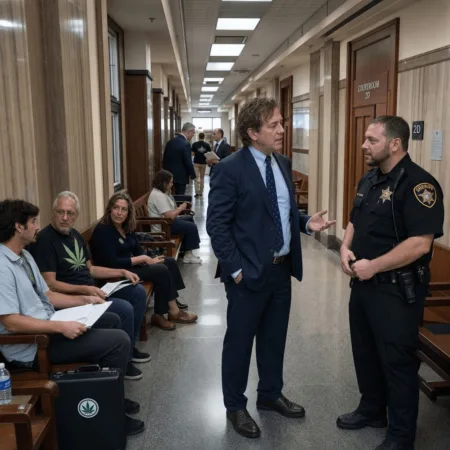
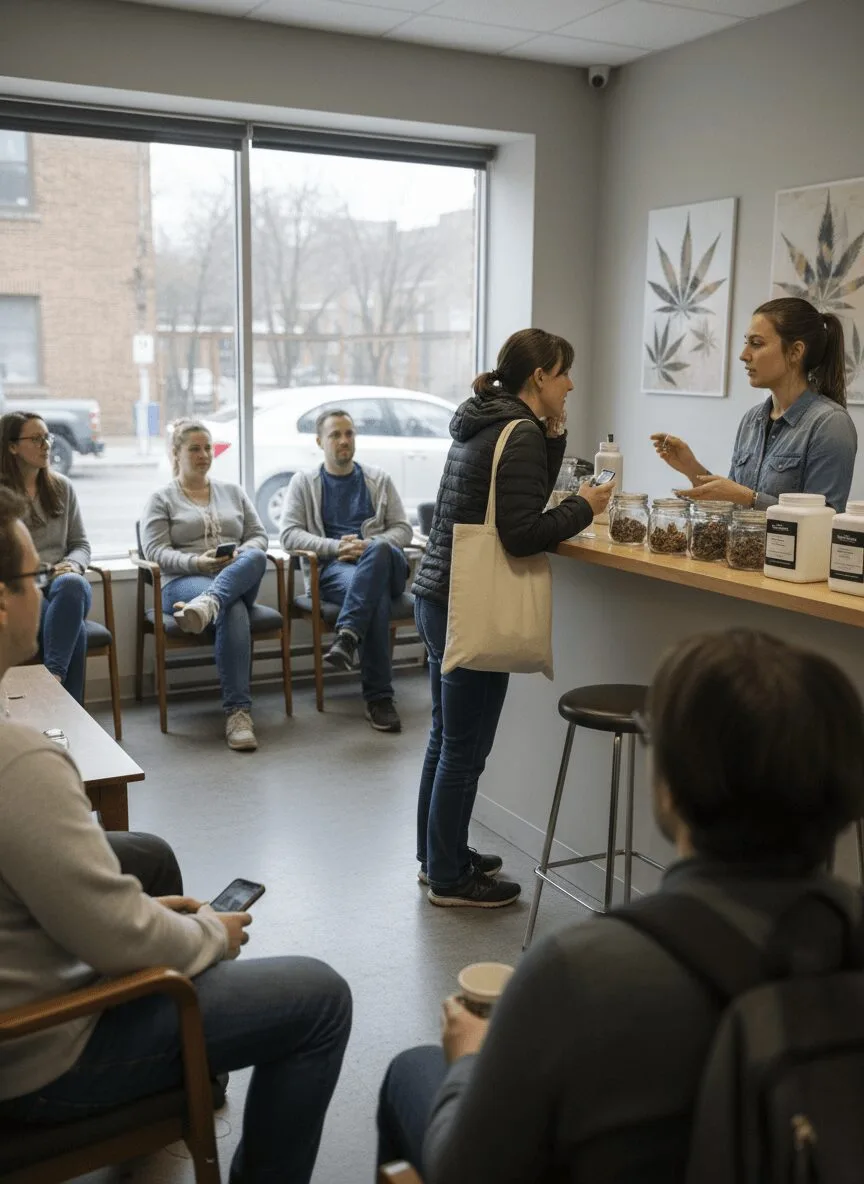
Governor Kathy Hochul’s recent announcement sent shockwaves through New York’s cannabis circles. On January 14, 2026, according to The New York Post, Hochul introduced a proposal to establish a centrally located, state-run medical marijuana center. Its mission is straightforward, to streamline medical marijuana access for patients who need it most, especially those underserved by existing dispensary networks. In a related development, some nearby states are also tackling evolving cannabis sales models, as seen by recent drops in Connecticut cannabis sales that reflect broader shifts in regional access and market saturation. The plan calls for a hub where certified staff can educate, dispense, and guide new patients through the process. However, the plan ignited plenty of pushback. Critics, including several advocacy groups and market insiders, claim the proposal is ‘half-baked,’ suggesting it lacks critical detail on affordability, eligible conditions, and equity for small businesses already operating in the medical marijuana access ecosystem. Questions about regulatory oversight, timing, and how this center might impact patient wait times remain unresolved. Key details from NORML’s news updates highlight ongoing friction between legislators, patients, and operators as these details play out in real time.
Expert Analysis: What This Means for Medical Marijuana Access in NY
Let’s get real, this isn’t just about politics. In my years working with cannabis patients and businesses, medical marijuana access has always been personal. Hochul’s proposal is ambitious, sure, but the devil’s in the details. As Marijuana Moment reports, similar state-run programs have flopped when they ignored stakeholder input. “Patients need more than policy, they need trust,” notes Sarah Friedland, executive director of the nonprofit Patients First NY. “If New York wants to expand medical marijuana access, they must partner with local advocates, doctors, and, yes, dispensaries.” The relationship between medical cannabis and broader health trends is evolving—recent research points to how cannabinoids as antibacterial agents may transform healthcare and informs long-term policy. On the flip side, if structured right, a centralized hub has the potential to clarify pathways for new and underserved patients. Industry experts believe combining education, patient support, and streamlined certification could patch holes left by the current system. More importantly, it signals a shifting attitude among legislators who historically approached medical cannabis with kid gloves. As mainstream medicine and regulatory bodies like the CDC inch toward evidence-based cannabis policy, state-led efforts, if collaborative, could set a new gold standard for access and transparency.
Outlook: The Future of Medical Marijuana Access in New York and Beyond
Despite the smoke and heat of controversy, it’s clear medical marijuana access is on an upward path—not just in New York, but nationwide. The regulatory war is far from over, but each bold move adds momentum. As patients, advocates, and smart lawmakers keep pushing, expect more innovative solutions—and hiccups—on the road. With market growth, new research, and social acceptance speeding up change, medical marijuana access could shift from battleground to basic right in our lifetime. As Pew Research recently found, most Americans support legal medical access. If New York nails the execution, this center could become a model for states nationwide.
Originally reported by: nypost.com