

Marijuana Odor Perception: Discover What People Really Notice
Marijuana odor perception is suddenly at the center of everyday city life, especially as more places legalize cannabis. From lawmakers to locals, everyone’s got an opinion—some claim every block smells like a dispensary, while others barely notice a thing. With shifting legalization, what people actually detect is making headlines, shaping laws, and even informing local policing. Let’s break down why marijuana odor perception has become such a hot topic, what’s really being reported out there, and why it matters for cannabis culture moving forward.
The New Cannabis Climate: Regulations, Social Shifts, and Street-Level Realities
Legal cannabis is now part of the urban fabric in dozens of states, transforming city sidewalks, apartment buildings, and local businesses. According to NORML, over 20 states now allow recreational marijuana use, and many more have adopted medical programs. As doors open, communities face new questions about public consumption and, more importantly, the way marijuana odor perception affects everything from neighborhood relations to public policy. This regulatory evolution links closely to how states like Delaware have adapted, as debates over what public smoking means continue to shape resident experiences—see what public smoking means locally for a closer look.
On the regulatory side, cities like New York and Los Angeles have passed new ordinances aimed at balancing cannabis freedom with public comfort. Local governments often rely on marijuana odor perception when responding to nuisance complaints, as The New York Times reports. Socially, cannabis odor has become a flashpoint, residents debate what’s acceptable, landlords navigate tenant complaints, and police are forced to decide if an aroma justifies a stop or search.
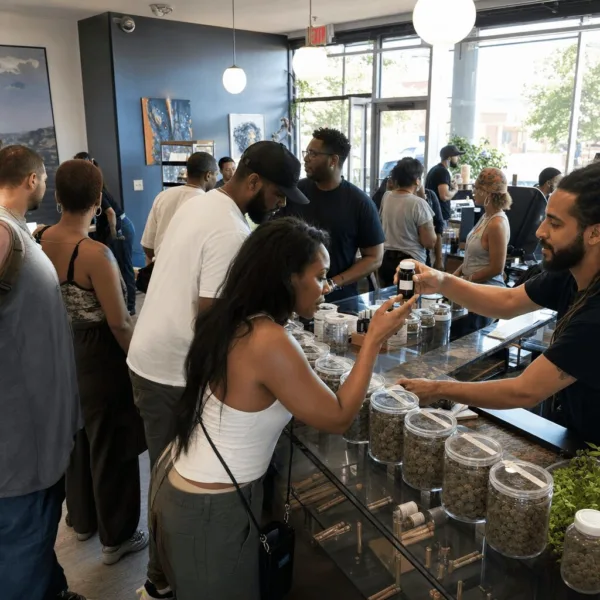
Market-wise, dispensaries and cultivators are now tasked with reducing unwanted exposure while still serving a growing base of enthusiastic customers. Odor-control tech is now a booming industry, drawing attention from both entrepreneurs and regulators focused on public health and street harmony. There’s a clear connection to how quickly marijuana product manufacturing adapts, revealing the fast-changing realities faced by the industry—see this update on cannabis facility innovation for current insights. The tipping point: marijuana odor perception isn’t just about smell, it’s about how a shifting industry integrates into daily life.
Sniff Tests, Street Surveys, and Real-World Fallout: The Latest Developments
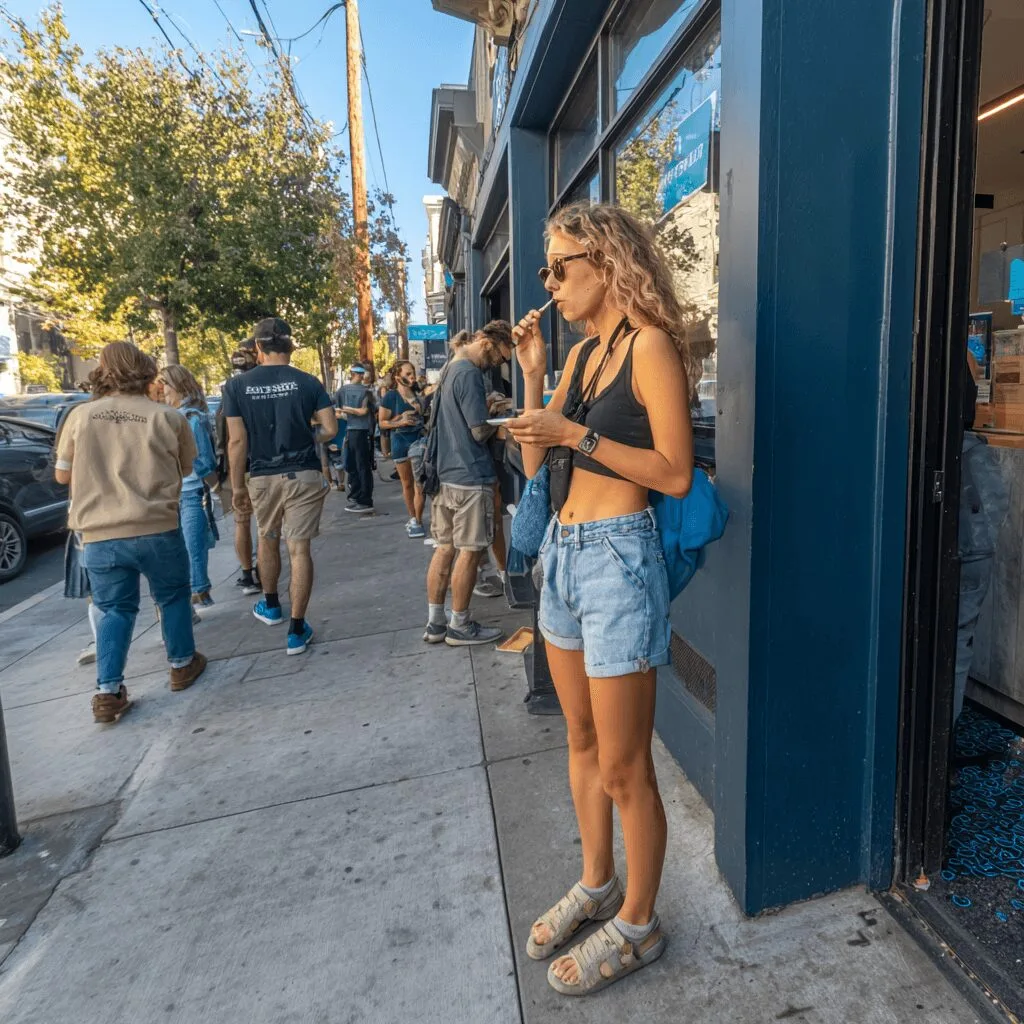
Recent news highlights a fascinating trend, people’s sensitivity to cannabis aroma varies wildly, sparking debate over how to manage odor in public spaces. A street survey conducted and reported by Audacy’s WWL News recently took to city sidewalks, interviewing a cross-section of passersby on their experiences with marijuana odor perception. Their findings? Some folks detected strong, unmistakable notes of herb while others shrugged—”What weed? I thought that was just someone grilling burgers.” This variation in response echoes recent studies exploring the unexpected outcomes of cannabis exposure across age groups.
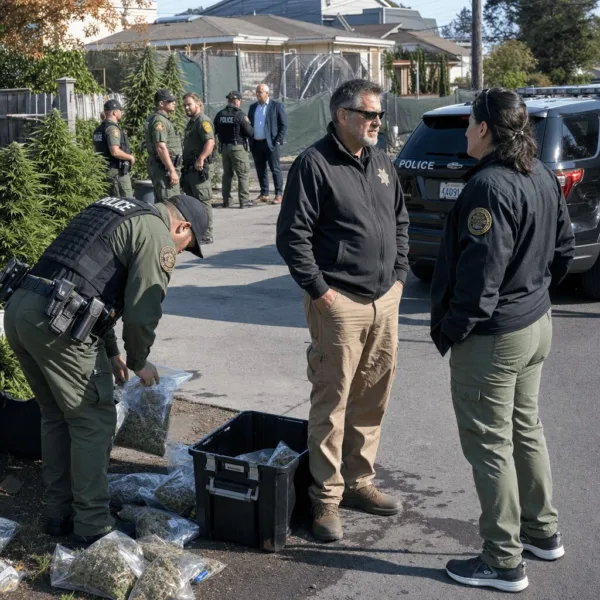
Notably, police responses to odor complaints have undergone a major overhaul after several courts, including the Illinois Supreme Court according to Chicago Tribune, ruled that marijuana odor alone no longer justifies a search. This development boosts civil liberties, while raising fresh challenges for enforcing public nuisance laws. Meanwhile, landlords and building managers in places like Denver are receiving new guidance from local health departments—encouraged to adopt venting, filtration, or even “smoke-free” policies based on evolving marijuana odor perception standards.
City governments continue to refine their approaches, some are installing public awareness campaigns debunking myths about cannabis aroma, while others invest in air-quality sensors to measure community impact. For a glimpse of evolving enforcement and reform, check how legalization debates are shaped by political opposition. Despite the noise, one thing’s clear: marijuana odor perception is top-of-mind for everyone from lawmakers to your laid-back neighbor catching a whiff after work.
Deep Dives and Real Talk: Expert Insights on Marijuana Odor Perception and Its Impact
Why does marijuana odor perception spark such intense vibes? For one, the science backs the idea that some noses are more sensitive than others. Dr. Ethan Russo, famed neurologist and cannabis researcher, explains, “Cannabis terpenes are volatile and distinctive, but perception is extremely subjective—one person’s skunk is another’s nostalgia.” (Leafly)
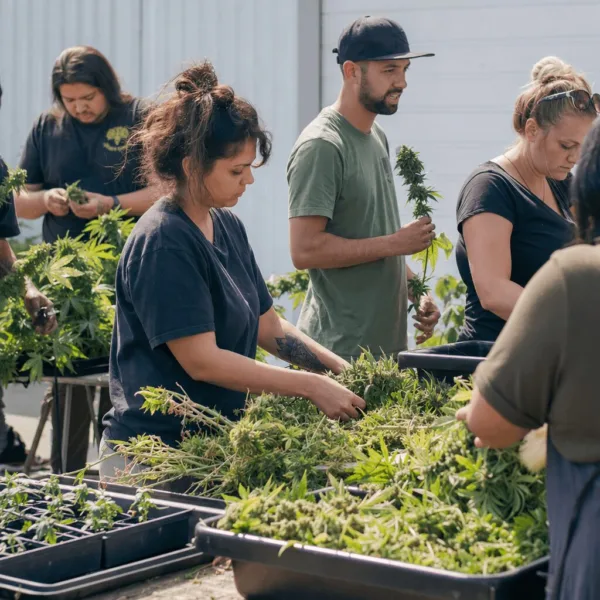
Within the cannabis industry, the shift in attitude is dramatic. Growers now monitor terpene profiles to minimize unwanted scent leaks. Dispensaries invest in aroma-masking tech, aiming for a balance between celebrating the plant and respecting urban boundaries. The rapid growth in markets like Watertown, where dispensary approvals energize communities, demonstrates how local acceptance can influence odor management strategies. According to a MJBizDaily industry trend report, consumer education is now a core focus: “We want to help people understand what they’re really smelling, where it’s coming from, and how best to coexist.”
Even legal experts agree, the days when police could claim “I smell weed” as an all-purpose justification are over. Instead, the cannabis community is helping set more rational benchmarks for what counts as excessive aroma—impacting everything from statewide regulations to city ordinances. Across the board, marijuana odor perception is leading the way for smarter, more chill urban policy in 2024.
Looking Ahead: Positive Vibes for City Living and Cannabis Culture
The future of marijuana odor perception holds promise—more education, better tech, and stronger understanding between all sides. As legal cannabis keeps growing, cities are learning to blend personal freedom with respect for public space. Regulatory bodies like the California Department of Cannabis Control continue updating rules to reflect science, safety, and community well-being. The path forward? Keep the conversation rolling, stay informed, and remember: every nose is unique, but shared understanding is stronger than stigma. With more open dialogue and evidence-based policy, marijuana odor perception could become just another part of the urban experience—accepted, understood, and, for many, just another part of modern life.
Originally reported by: audacy.com