Marijuana Product Manufacturing: Facility Proposal Advances
No matter where you stand on the green wave, marijuana product manufacturing is shaping up as a serious game-changer for local economies, public policy, and cannabis enthusiasts alike. As demand for cannabis-infused goods skyrockets and more states jump into legal markets, plans for new manufacturing facilities are making headlines. This latest proposal isn’t just about another building—it’s a signpost for the industry’s momentum, highlighting the social, economic, and regulatory shifts that are redefining what it means to create and distribute marijuana products. With local governments debating regulations and investors watching closely, let’s break down why this facility proposal is front-page news for anyone interested in marijuana product manufacturing.
Understanding the Landscape: Regulatory, Social, and Market Factors in 2024
Stepping into marijuana product manufacturing isn’t like flipping on the lights in an old warehouse, and industry experts at MJBizDaily emphasize the complex interplay between evolving state regulations, available licenses, and persistent federal restrictions. In Delaware, for example, recent legislative reforms continue to shape the future of cannabis, making headlines after the latest updates regarding Delaware’s marijuana decriminalization and the implications for public smoking. This shift comes as public sentiment warms to marijuana’s normalization, with Pew Research reporting 88% of Americans now support some form of legalization. That surge in support has translated into bustling local economies, increased tax revenues, and a spike in ancillary businesses around manufacturing hubs. While federal law still classifies cannabis as a Schedule I substance, creating banking challenges and limiting interstate trade, state-level progress remains unstoppable. Municipalities weigh community impacts, noise ordinances, zoning, and neighborhood input before greenlighting projects. Industry standards are also continually evolving, with initiatives focusing on sustainability and traceability, mirroring trends seen in top cannabis markets like California and Colorado. All told, marijuana product manufacturing is uniquely positioned at the intersection of law, economics, and shifting cultural attitudes in 2024.
Key Developments in 2024: The Newark Proposal Moves Forward
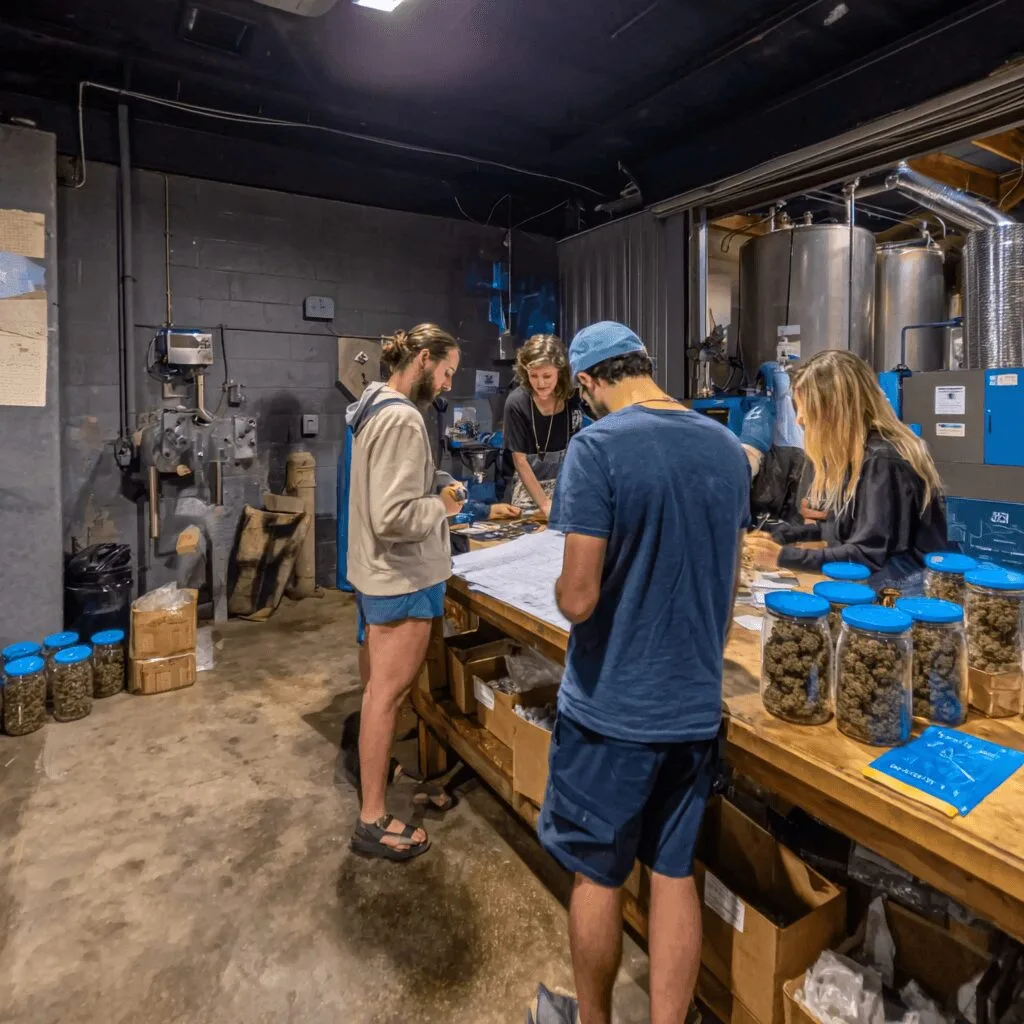
Let’s dig into the details. In Newark, Delaware, city officials recently advanced a proposal that would bring a new marijuana product manufacturing facility to the community, with the Newark Post reporting significant local interest. The application, submitted by a local development group, aims to retrofit an existing warehouse for cannabis product assembly, packaging, and distribution. On Tuesday night, the Newark City Council heard public comments, assessed regulatory requirements, and ultimately voted to move the project out of committee. The proposed facility would not function as a dispensary; its focus would be on producing and preparing cannabis products for Delaware’s medical and potentially recreational markets. City planners discussed expected job creation, security requirements, and strategies to engage the neighborhood—central themes for any marijuana product manufacturing expansion in 2024. This move reflects a pattern seen in other states, similar to the way that Wisconsin is approaching cannabis legalization and regulatory changes, where municipalities are learning to balance innovation with responsible oversight.
Expert Analysis and Deep Dives: The Broad Picture in Cannabis Manufacturing
The Growing Role of Marijuana Product Manufacturing in 2024
This Newark proposal tells us a lot about the broader landscape: marijuana product manufacturing facilities are becoming powerhouses for local growth. As Leafly Industry Analysis points out, states with well-regulated manufacturing sectors benefit from economic diversification, workforce expansion, and future-oriented skills development. According to cannabis industry leader Wanda James, “Manufacturing is the backbone of a mature marijuana market. The real promise lies not just in retail, but in what we can create, package, and innovate behind the scenes” (Benzinga). From vape cartridges to infused edibles, the variety and safety of products available to consumers are growing along with oversight and transparency. Sustainability is also coming to the forefront, with manufacturers pressured to limit waste, use renewable energy sources, and adopt safer extraction techniques. Additionally, changing cannabis production prices are directly affecting the market, urging businesses to adapt. When municipalities approve responsible projects—like Newark’s—they send a clear message that cannabis is maturing as a public good, not just a fleeting trend. At the same time, communities are demanding accountability from operators regarding employment practices, neighborhood impacts, and robust safety standards. The Newark project, much like similar initiatives across the U.S., demonstrates a forward-thinking approach to growth that’s rooted in deep industry expertise and community collaboration.
Looking Ahead: A Bright Future for Marijuana Product Manufacturing
The evolution of marijuana product manufacturing represents more than business as usual—it’s a catalyst for cultural, economic, and legislative change nationwide. As Newark’s facility proposal moves closer to breaking ground, advocates and industry experts alike point to a future where quality control, innovation, and transparency set a high bar for cannabis businesses. According to Cannabis Business Times, the next wave of industry growth will be driven by manufacturers who invest in local communities, sustainable processes, and equitable hiring. The journey from old stigma to mainstream acceptance may still face speed bumps, but the direction is clear: communities are embracing sensible, responsible marijuana product manufacturing. Whether you’re an entrepreneur, patient, or curious bystander, this industry is worth watching—it’s got the momentum, the heart, and frankly, the vibes to make a difference for generations to come.
Originally reported by: newarkpostonline.com