DUI Marijuana Admission: What You Must Know Before Speaking
DUI marijuana admission is heating up in the headlines, and let’s be real—the intersection of legal cannabis and driving laws is one wild ride right now. With legalization rolling forward across the States, more folks face tough questions if they’re pulled over. Whether you’re a weekend toker or a cannabis industry pro, understanding what you should (and shouldn’t) say matters more than ever. In this guide, we’ll break down what’s changed, what’s stayed the same, and how the latest legal developments around DUI marijuana admission directly impact consumers, advocates, and the entire cannabis community. Stick around as we cover practical advice, the legal landscape, and why this topic is crucial in today’s evolving cannabis culture.
Why DUI Marijuana Admission Is a Hot-Button Issue Right Now
Thanks to rapid cannabis legalization, public support for cannabis is at an all-time high, pun totally intended, but for real. But here’s the rub: while lighting up is pretty chill in many states, driving under the influence is strictly policed nearly everywhere. Law enforcement’s approach to DUI marijuana admission is still shaped by patchwork state laws, evolving impairment standards, and a steady stream of court cases that keep everyone guessing. As cannabis policy continues to change across the United States and regulators consider headline-grabbing incidents, such as when a California truck driver was arrested after a THC bust, industry leaders and advocacy groups are closely watching how new laws balance road safety with the rights of responsible consumers. Social stigma around cannabis use has dropped, but the legal, reputational, and personal risks from a DUI marijuana admission haven’t disappeared. Recent research also shows that roadside THC testing and self-incrimination are key legal flashpoints, shaping how both drivers and officers act in these tense encounters (Brookings Institute).
Recent Case Study: Key Developments & Legal Lessons
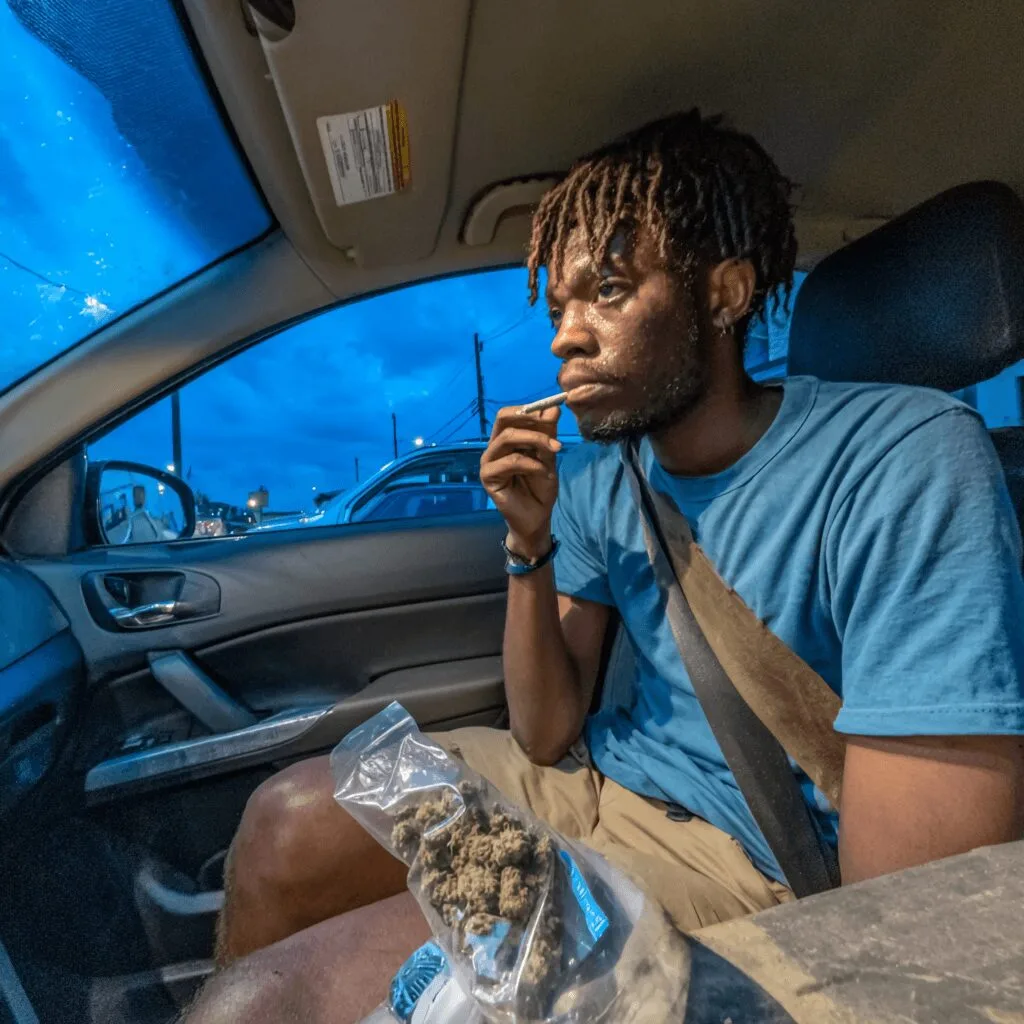
The story of Luis Alberto Cruz-Rodriguez in Lower Allen Township, PA, highlights just how complicated DUI marijuana admission can get. According to public case filings, Cruz-Rodriguez was stopped and charged under Pennsylvania’s Section 3802 (d)(1)(i), the so-called “drugged driving” statute, after police reported seeing visible cannabis during the stop. Authorities claim he admitted to having used marijuana before getting behind the wheel. Not long ago, a cannabis-related car crash involving a teenager in Fall River drew national attention, showing that high-profile incidents aren’t limited to just adults. The car search revealed a half-finished joint and a small bag of cannabis, both supporting the officer’s probable cause claim. This kind of admission, even seemingly casual, can make all the difference between a routine traffic stop and a life-changing misdemeanor or felony. Pennsylvania’s law explicitly prohibits driving with “any amount of controlled substance” in one’s blood, putting drivers who admit to recent marijuana use squarely in the hot seat (Pennsylvania DMV). The legal fallout here gets even more complicated as defense advocates challenge how chemical testing, field sobriety, and self-incriminating statements stack up in court. Nationwide, similar incidents are popping up in legal states like Colorado and California, where local courts are still hashing out what counts as real ‘impairment’ versus simple ‘presence’—a crucial distinction for anyone with a recent DUI marijuana admission (NORML Report).
Industry Expert Analysis & Human Insights
Let’s get real, the rules around DUI marijuana admission are anything but clear, even for seasoned cannabis insiders. According to Marijuana Moment, law enforcement practices and court outcomes are “wildly inconsistent” from one county to the next, with some jurisdictions aggressively prosecuting any weed-related admission, while others focus on proving real impairment. Cannabis attorney David Holland, quoted in Forbes, says, “Admitting to cannabis use, even hours ago, can open the door to a conviction, regardless of actual impairment. Science still hasn’t caught up with the law.” While consumers must be cautious, states are moving in very different directions, such as Alabama’s ongoing rollout of medicated cannabis accessibility, detailed in the coverage about Alabama’s medical cannabis program updates. Legal experts and industry groups like NORML consistently advise that any statements about recent use, even if you feel totally sober, could be used against you in court. Add evolving technology for roadside THC testing into the mix, and it’s clear the stakes keep getting higher, again, pun fully intended. The bottom line is this: until a national legal and scientific consensus emerges, every DUI marijuana admission needs to be treated seriously, regardless of your state’s stance on legal cannabis.
Looking Ahead: Cannabis Truth, Sobriety, and Social Progress
The good news? The cannabis industry isn’t backing down from these challenges. Instead, advocates and lawmakers are pushing for fairer laws based on real science, not outdated stigma. Forward-looking states are updating how they define impairment, invest in better roadside testing tech, and train officers for cannabis-specific situations. Public awareness is also up, with responsible use campaigns highlighting both safety and civil rights. As more cases like Cruz-Rodriguez’s surface, conversations around DUI marijuana admission will keep evolving. The hope? In a few years, we’ll all look back and wonder why cannabis consumers were ever treated differently than folks who enjoy a legal drink. And for now, the best advice is still to keep your cool, know your rights, and stay up to speed with the latest changes. According to MJBizDaily, the cannabis sector is stronger than ever, with growing acceptance and legal reform just over the horizon.
Originally reported by: cumberland.crimewatchpa.com