

Fall River teen car crash marijuana: shocking truth revealed
It’s hard to ignore just how much conversations around teens, cannabis, and road safety have shifted lately—especially when news like the recent Fall River teen car crash marijuana incident lights up the headlines. With changing laws, perceptions, and product access, this story brings real questions about how cannabis fits into young people’s lives, the road, and our broader culture. Here we dig into the core details, unpack the realities, and offer up clarity in a world buzzing with opinions.
The Shifting Landscape: Cannabis, Youth, and Road Safety Laws
Laws about cannabis in Massachusetts have changed significantly since full adult-use legalization in 2016, yet rules for minors and driving remain strict. State regulations make it illegal for drivers under 21 to possess marijuana, and anyone, regardless of age, faces penalties for using cannabis behind the wheel. Even though public approval for legalization has grown (Pew Research Center), the stigma and legal risks tied to youth and cannabis haven’t disappeared. In fact, as Massachusetts laws evolve, questions about how marijuana revenue supports local community projects keep arising, similar to trends seen in other states where cannabis revenue fuels initiatives at the local level. Law enforcement in Fall River and statewide has increased patrols and education campaigns, echoing national strategies outlined by NHTSA and other agencies that focus on drug-impaired driving. So, while the market is booming for adults, for teens, the consequences are as serious as ever.
Key Developments: Inside the Fall River Teen Car Crash Marijuana Incident
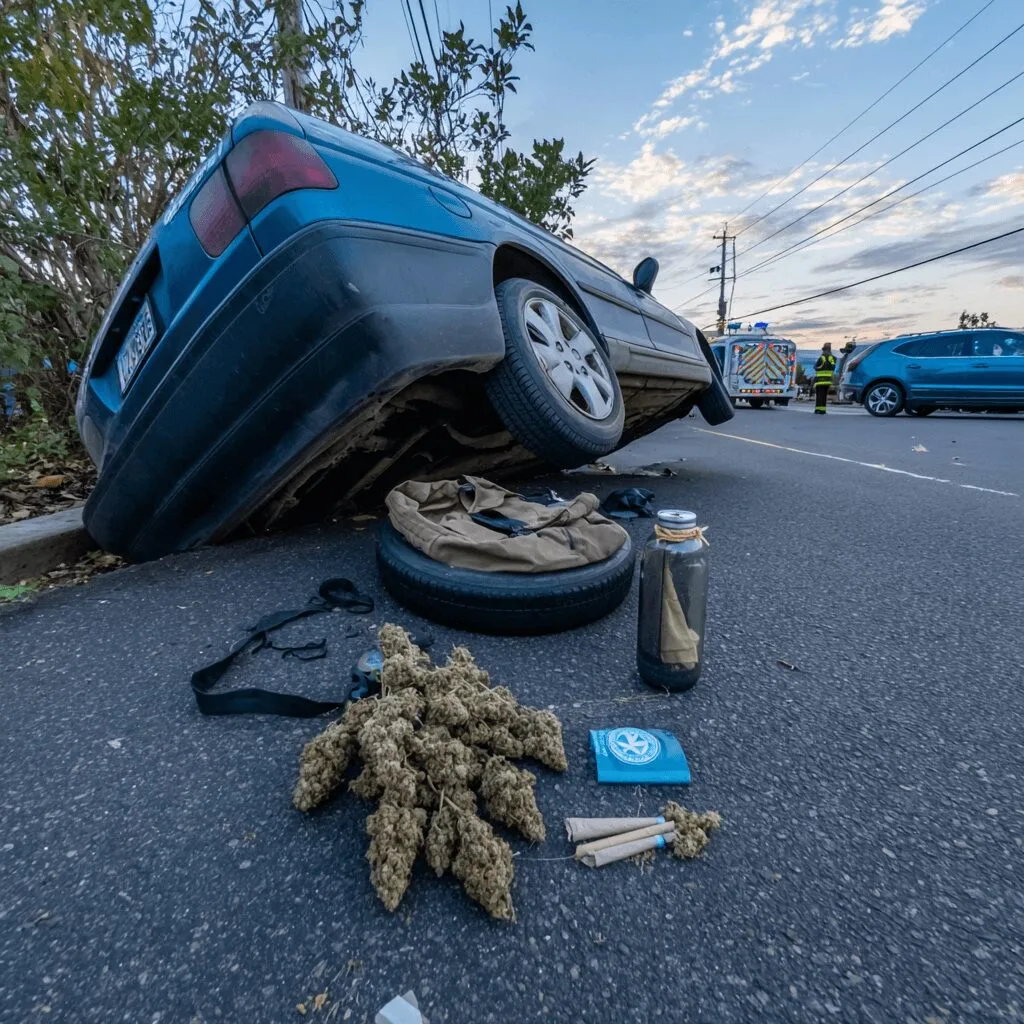
According to a detailed report by The Herald News, the crash happened just after dusk on a quiet suburban road in Fall River. Police state that a mid-sized sedan, driven by a 17-year-old local, lost control and rolled over, prompting a rapid emergency response. First responders found two teens at the scene, both with only minor injuries, which was a relief to their families and the community. During their investigation, officers discovered a half-open backpack with marijuana buds and rolling papers. Notably, Massachusetts law prohibits both underage possession and open containers of cannabis in vehicles, a detail highlighted by the presence of loose buds at the scene. The ongoing investigation has prompted officials to stress the importance of strong underage prevention policies, similar to those debated when marijuana was found near a school in Auburn, raising pressing community concerns about youth cannabis access. This Fall River teen car crash marijuana event fuels ongoing discussions about underage cannabis access and impaired driving prevention, according to relevant regional statistical reports.
Cannabis in the Hot Seat: Industry Analysis and Nuanced Perspective
When a Fall River teen car crash marijuana story makes headlines, it can spark heated debate about youth access, driving, and cannabis culture. The existence of robust market regulations does not always prevent minors from gaining access, as illustrated by similar situations in other regions where illicit networks and social sources fill the gap. Market analysis from MJBizDaily shows most regulated dispensaries enforce strict age requirements and robust education efforts, but loopholes remain within social spheres. It’s also true, as highlighted by the complex pricing patterns in neighboring states, that external factors influence accessibility for youth and adults alike. From evaluating public safety, traffic data from NIDA indicate that cannabis impairment, while dangerous, is statistically less likely to cause severe crashes than alcohol. As cannabis advisor Shanel Lindsay told Leafly, “Our priority has to be education and harm reduction, not just punishment — facts, not panic, keep kids safest.” Ultimately, a balanced, evidence-based approach is needed for policy and education on these issues.
What Comes Next: Progress and Hope for Cannabis Culture
Incidents like the Fall River teen car crash marijuana case force the community to reckon with tough questions. But with continued investment in honest education, parental guidance, and better-regulated supply chains, both safety and personal freedom can thrive. Policymakers and advocates alike, such as those spotlighted by NORML, are working toward smarter harm reduction, clearer laws, and ongoing research about youth risks. That means more focus on facts—and a future where headlines are less scary and more about how cannabis can exist responsibly alongside vibrant, safe youth communities. The journey’s not over, but stories like this can spark real, positive change.
Originally reported by: heraldnews.com