



Cannabis Use During Pregnancy: Are You Getting Bad Advice?
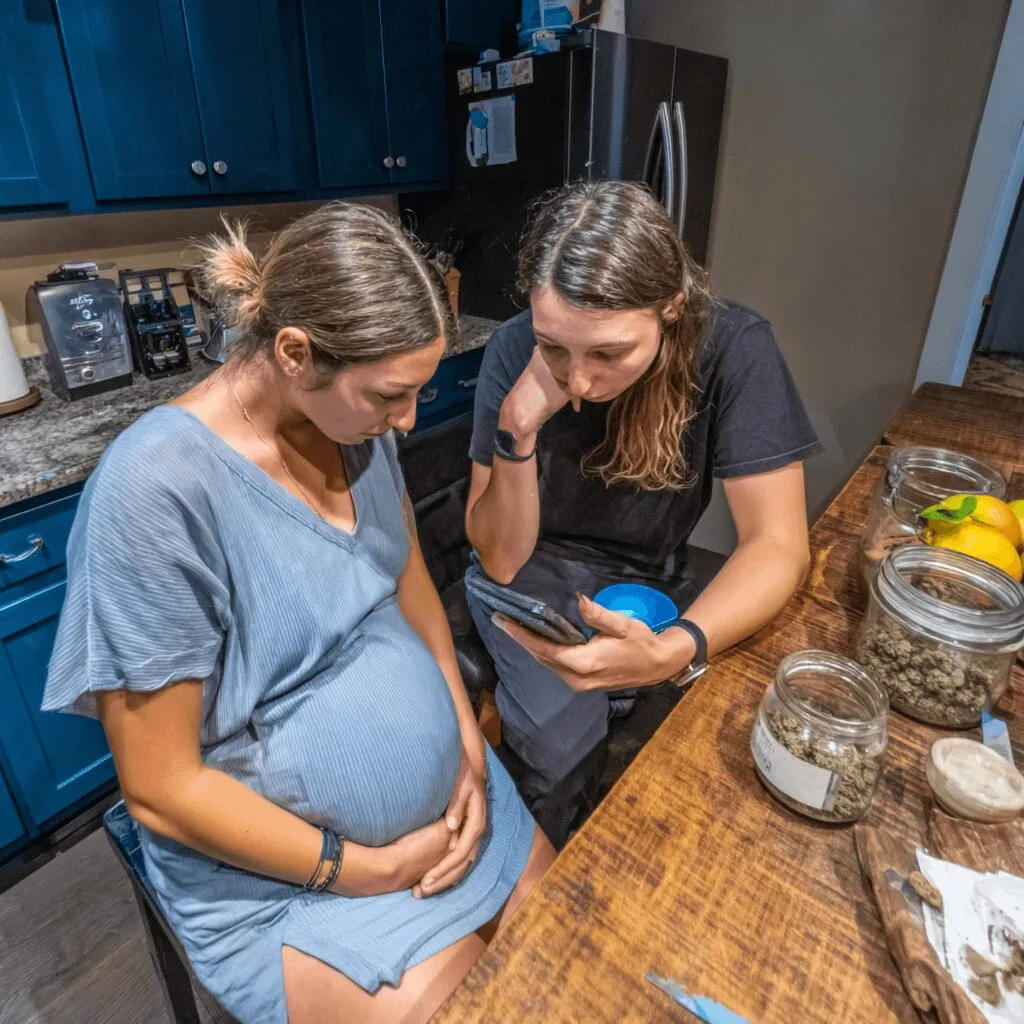
Conversations around cannabis use during pregnancy are getting louder, and not just in dispensary queues or social media threads. A growing number of expecting parents are turning to cannabis for relief—whether it’s to ease those not-so-glorious symptoms like nausea or anxiety, or just to keep it mellow as their bodies change. Headlines and online forums are flooded with questions, skepticism, and, let’s face it, some truly wild advice. The stakes feel real, because this isn’t about theoretical risks; it’s about the real choices real people are making—often in a haze of contradictory information. With legalization expanding and more products than ever before, the cannabis use during pregnancy debate is more urgent and complicated than ever, and everyone—from researchers to regulators to everyday users—wants clear, honest answers. This article sorts out the noise, explores the newest research, and checks in with experts to help you navigate this high-stakes, high-interest topic.
The Complex World of Cannabis Use During Pregnancy: Rules, Realities, and Social Shifts
The rules around cannabis use during pregnancy are a gnarly tangle of state laws, medical recommendations, and evolving social attitudes. In the U.S., cannabis remains federally illegal, categorized as a Schedule I drug by the DEA. Yet over half the states have legalized it for medical and/or recreational use (NORML). This legal patchwork means that while you can legally buy cannabis in, say, Colorado or Illinois, that doesn’t mean using it is considered medically safe, especially when you’re pregnant—a reality that’s similar to complicated state-specific enforcement actions, such as the recent seizure at a major airport raising new questions about cannabis enforcement.
The CDC holds a cautious stance, warning against cannabis use during pregnancy due to potential risks. Meanwhile, groups like the American College of Obstetricians and Gynecologists (ACOG) officially advise against it, but many clinicians quietly admit the real picture is more nuanced. The cannabis industry, for its part, is caught in the middle: eager to promote responsible use and harm reduction but wary of running afoul of regulators.
Society’s attitudes are shifting fast, too. With over 10% of pregnant people reportedly using cannabis in recent years (according to JAMA), it’s clear that the question isn’t whether cannabis use during pregnancy happens, it’s how the risks and benefits are weighed and who gets to give advice.
Key Developments & Issues: Sorting Fact from Fiction in a Cloud of Advice
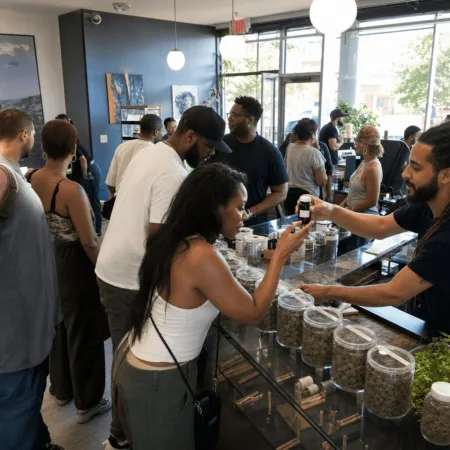
Let’s talk real news. A recent investigation by MedPage Today dives deep into how cannabis use during pregnancy is advised and discussed. Some dispensaries, it turns out, may be handing out questionable advice to pregnant customers, and that’s set off alarms with public health officials. The most recent study, published in October 2023, flagged inconsistencies in how budtenders and clinicians approach cannabis use during pregnancy. Researchers found that while most medical professionals discourage use, some dispensaries reportedly downplay risks, suggesting cannabis can be a natural remedy for morning sickness or anxiety. That divide isn’t just confusing for parents—it’s a potential public health headache, reminiscent of broader regulatory patterns, like those that recently shook up South Carolina’s legal landscape through a major THC investigation.
What’s behind the confusion? For starters, there’s still a lack of long-term research on the effects of cannabis use during pregnancy. While there’s evidence linking heavy prenatal cannabis exposure to potential lower birth weight and some neurodevelopmental risks, studies are often contradictory or limited by unreliable self-reporting (JAMA Pediatrics). Meanwhile, state regulators like those in California and Colorado have moved to restrict dispensaries from explicitly recommending cannabis to pregnant customers, citing the need for evidence-based guidance (California Department of Public Health). But that doesn’t stop the word-of-mouth, blog posts, and TikTok videos where personal stories often drown out official recommendations.
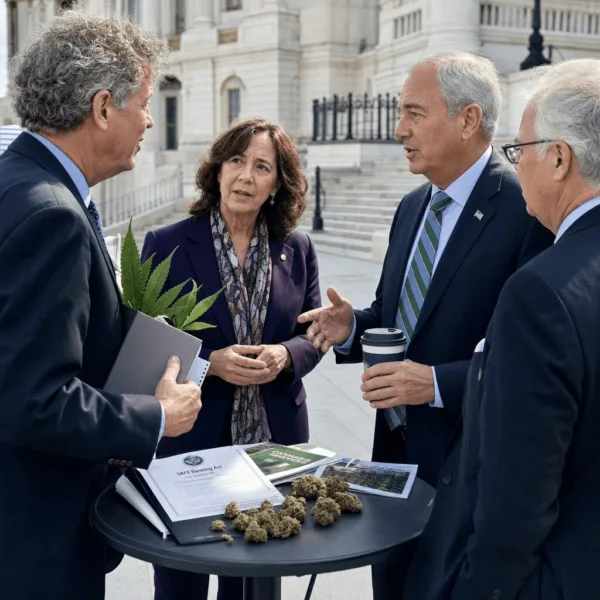
On the legal front, the pressure is mounting: Several states have discussed or enacted bills requiring clearer warnings on cannabis products, specifically around pregnancy use. Some regions have even introduced penalties for budtenders who give medical advice about cannabis use during pregnancy. The bottom line? Confusion reigns, and expecting parents are too often caught in the middle, navigating misinformation from all angles, something that is also seen in the varied marijuana travel advisories in states such as Florida.
Expert Analysis, Cultural Nuance, and the Pro-Cannabis Perspective
Let’s get real. As someone who’s worked in cannabis education, I’ve seen firsthand that pregnant people using cannabis usually aren’t taking the decision lightly or recreationally, they’re seeking relief, often after conventional anti-nausea meds haven’t worked or have uncomfortable side effects. There’s danger in bad advice, but there’s also danger in stigmatizing questions and pushing honest conversations underground.
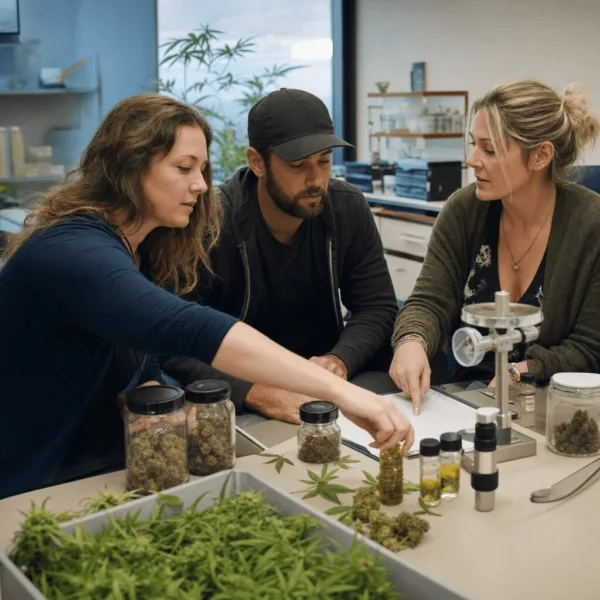
Dr. Peter Grinspoon, a respected physician and cannabis advocate at Harvard Medical School, notes, “Patients are often forced to choose between suffering and rolling the dice with a medicine they know little about—precisely because we haven’t done the necessary research.” That’s painfully true for cannabis use during pregnancy, as the data simply isn’t as robust or clear-cut as everyone hopes. These nuances underscore why even experienced professionals see a gap in training and industry education—gaps that emerging cannabis career programs are now trying to address for the next generation of cannabis professionals.
The cannabis community argues for better information and harm reduction, not panic. In fact, some countries, like Canada, have moved towards education-first approaches. Rather than lecturing, they inform parents of what’s known and what’s not. Cannabis advocates want a future where honest, evidence-based advice is the norm, even for sensitive issues like cannabis use during pregnancy. After all, many medicines, substances, and lifestyle choices—from caffeine to antidepressants—require nuanced real-world risk-benefit analysis and candid medical discussions.
Pro-cannabis voices say, let’s not demonize people seeking relief. Let’s provide them with up-to-date, balanced information so they can make empowered, safe decisions. As Marijuana Moment points out, “Misinformation drives more harm than honest, open education ever could.” What’s needed is more science, more honesty, and less shame.
Where Are We Headed? Hope, Questions, and the Road to Better Guidance
Cannabis use during pregnancy remains controversial, but the conversation is finally moving toward transparency, responsibility, and harm reduction. As legalization spreads, the pressure on both medical and cannabis professionals to provide better advice will only grow. The industry is responding, with more calls for clear product warnings, tighter training for budtenders, and—crucially—better, long-term research into real-world outcomes. According to Leafly, industry standards are rising as social acceptance expands and science catches up.
The future is bright if we lean into knowledge, honesty, and non-judgmental support for everyone navigating pregnancy. With the right mix of regulatory clarity, robust data, and open-minded discussion, the stigma around cannabis use during pregnancy could finally give way to good advice, healthy debate, and empowered choices. Stay curious, stay educated, and let’s keep the conversation rolling as we shape cannabis history—together.
Originally reported by: medpagetoday.com

1 Comment
Pingback: Cannabis Advice in Pregnancy: What Every Woman Needs to Know