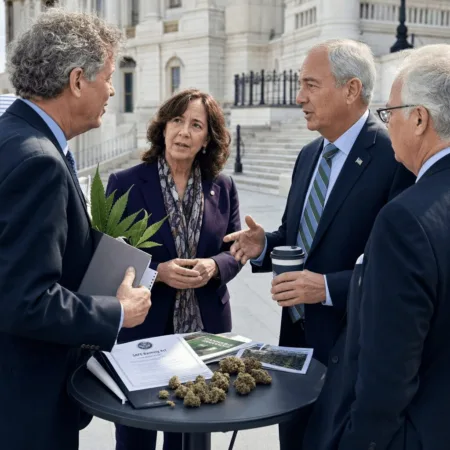
Arkansas medical marijuana regulation: What’s behind the panel’s delay?
If you care about Arkansas medical marijuana regulation, now’s the time to pay attention. Major adjustments might be on the horizon after the regulatory panel’s recent decision to hit the brakes. With patient demand surging and dispensaries popping up statewide, every regulatory hiccup ripples through the whole market. In this article, we’ll break down what’s stalling those new rules, why it matters if you’re a patient, business owner, or supporter, and what industry leaders are saying about the future of legalization in Arkansas. Let’s dig into the drama and possibilities around Arkansas medical marijuana regulation.
The History Behind Arkansas Medical Marijuana Regulation
Understanding Arkansas medical marijuana regulation takes us back to 2016, when voters approved the Arkansas Medical Marijuana Amendment (Issue 6). This amendment marked a pivotal moment, setting the legal structure for medical cannabis use and mapping out a regulatory body to keep the industry transparent and accountable, a theme that has played out in various states grappling with enforcement and local oversight, as seen in recent crackdowns and community-led reforms elsewhere. Ever since, Arkansas’s unique blend of southern conservatism and emerging cannabis acceptance has produced a one-of-a-kind market.
According to Marijuana Policy Project, the state has issued licenses to a select number of dispensaries and cultivators. Regulations are strict, prohibiting public use and home grows, and requiring a documented qualifying condition. But demand has skyrocketed, and year over year, medical sales have smashed records, similar to what is observed in states facing logistical challenges under new laws, as discussed in Minnesota’s recent regulatory landscape, showing broad patient uptake.
The Arkansas Medical Marijuana Commission (AMMC) oversees every facet, from licensing to patient eligibility. Like many pioneering cannabis states, red tape, bureaucracy, and shifting public perception create friction points, making every decision matter for thousands of people and millions in revenue. Regulatory updates are often slow but always deeply influential.
The Latest Delay: What Actually Happened?
On December 4, 2025, the Arkansas Medical Marijuana Commission made headlines after delaying critical decisions on regulatory changes. According to Arkansas Democrat-Gazette, the panel postponed votes on rule tweaks meant to streamline dispensary renewals and product safety testing. The meeting drew a full house: industry leaders, patient advocates, skeptical legislators, and medical professionals all voicing concerns about proposed rule tweaks. The regulatory panel cited the need for additional legal review and public comment before finalizing any changes, especially those tied to oversight of testing labs and more flexible renewal terms for dispensaries. For dispensaries and cultivators, these regulatory delays are reminiscent of how shifting hemp consumable law limits can impact the broader cannabis economy.
This isn’t the first regulatory roadblock for Arkansas’s cannabis sector. Previously, the AMMC has delayed license awards and adjusted program rules under mounting legal pressures, according to NORML. The recent panel decision leaves dispensaries, cultivators, and patients in a holding pattern, unsure how potential updates might affect pricing or access. As of this session, Arkansas’s regulated supply chain continues to feel the strain, with tighter compliance checks and inventory squeezes making day-to-day operations more stressful, reflecting how other states face sudden disruptions, as described in recent enforcement actions in neighboring regions.
Expert Analysis: Why This Delay Matters for Arkansas Medical Marijuana Regulation
So why does the latest Arkansas medical marijuana regulation delay have everyone buzzing? Delays in decision-making can create operational headaches for the state’s 38 dispensaries and 8 licensed cultivators, especially as competition tightens and regulatory bottlenecks threaten patient care. According to Leafly’s Arkansas medical marijuana guide, delays in rulemaking and confusion over compliance can threaten everything from price control to patient safety, similar to how changing THC beverage laws have reshaped other sectors, with recent shifts in the THC drinks and hemp industry offering a case study for ripple effects across the cannabis market.
“Effective, clear regulations aren’t just paperwork, they’re the engine for both safety and innovation,” says Dr. Amanda Reiman, a leading cannabis policy researcher, as quoted on Forbes. “Delays slow patient access and make businesses second-guess investments.” The tightly regulated Arkansas market, already highly competitive, needs timely regulatory updates to stay functional and fair.
Furthermore, any hesitation in Arkansas medical marijuana regulation can send cautious signals to outside investors, with market trackers like New Cannabis Ventures stating that efficient regulation equals healthy competition and industry growth. As Arkansas deliberates, the risk of falling behind newer and more adaptable state programs grows, a challenge similar to navigating interstate cannabis travel legalities now shaping the broader industry landscape.
Looking Forward: Opportunity Amid Setbacks
Despite the current delays, supporters across the state remain confident in the future of Arkansas medical marijuana regulation. Based on trends seen in smoother-operating states like Oklahoma and Missouri (as reported by Marijuana Moment), regulatory evolution always lags a little behind public demand but ultimately bends toward more access and reliability.
Industry advocates and patients are pushing for swift action, and state regulators have committed to fresh deliberations in the coming sessions. Patient enrollment continues to grow, economic impact metrics impress, and grassroots support stays strong. If Arkansas’s policymakers can channel this momentum into updated, sensible regulation, the state will remain a standard-bearer for southern medical programs—demonstrating that bipartisan efforts can build sustainable, people-centered cannabis laws.
In summary, Arkansas medical marijuana regulation is at a turning point. With patience, expert input, and pressure from the community, chances are high that better days—and expanded options—are on the horizon. Keep rolling with the changes, because the future looks green and bright.
Originally reported by: arkansasonline.com