Unlocking Psychedelics Mental Health Therapy: What’s Next?
If you’ve heard the buzz over psychedelics in mental healthcare lately, you know it’s not just hype. The world of psychedelics mental health therapy is heating up, shaking off decades of heavy stigma. Canna-folk like me are grinning—we’ve been waiting for this cultural evolution. With regulatory shifts, ground-breaking studies, and more open minds, it feels like a new era. In this article, I’ll break down what’s sparking conversation, untangle the legal landscape, and explain where things are heading for those curious about plant-based healing and mental clarity.
Psychedelics & Cannabis: Shifting Regulatory, Legal, and Social Landscapes
Not long ago, mentioning psychedelics mental health therapy in a therapist’s office would get you a hard stare, maybe a referral. Now, times are changing, and Forbes calls it a renaissance. In the U.S., the legal status of classic psychedelics like psilocybin, LSD, and even cannabis varies dramatically, state by state. States like Oregon have spearheaded psilocybin therapy programs (per Oregon Public Broadcasting). At the same time, cannabis moved from countercultural symbol to mainstream medicine after legalization rolled across California, Illinois, and beyond. A recent example of shifting cannabis regulation is the changes happening in North Carolina, with new laws causing confusion for consumers and business owners—see how the North Carolina hemp THC ban is impacting locals. Meanwhile, the DEA has loosened research restrictions (DEA press releases, 2022), opening doors for clinical trials. Society’s tone shifted, too. Suddenly, everyday folk are curious, less about mind-bending trips and more about healing minds. Researchers, therapists, and policy makers now debate which models, decriminalization, medicalization, or total legalization, will lead the parade. All told, psychedelics mental health therapy is moving from fringe to fixture, heading for a pivotal moment.
Major Breakthroughs in Psychedelics Mental Health Therapy
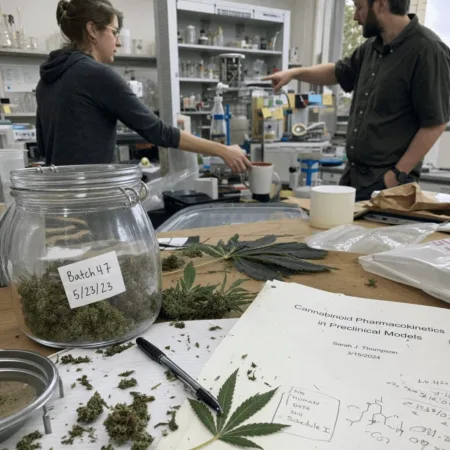
Let’s talk specifics. Psychedelics mental health therapy is headline news thanks to moves like Oregon’s Measure 109, which legalized supervised psilocybin use for adults (Oregon Health Authority). Johns Hopkins Medicine reports that psilocybin therapy is showing effectiveness for depression that lasts a year or more, and big names including MAPS (Multidisciplinary Association for Psychedelic Studies) push forward with MDMA clinical trials for PTSD. Not a month goes by without a new research milestone—JAMA Psychiatry recently shared data on psilocybin outperforming conventional antidepressants for certain patients. While clinical access is narrowly regulated, decriminalization initiatives have gained ground in Colorado, Michigan, and even urban hubs like Oakland, per NBC News. In fact, true stories of healing—like those recounted in this deep dive on psychedelic therapy for trauma and hope—are contributing to public awareness. Yet, there’s no universal standard, and what’s cool in Denver might be a felony in Dallas. Experts from Harvard Law School even question if federal scheduling aligns with modern science. Meanwhile, cannabis legalization remains a model, offering a playbook for what national rollouts of psychedelics mental health therapy might look like. Bottom line: society is stepping into experimental territory, eyes wide open for benefits, side effects, and social shifts.
Industry Insights: Connecting Psychedelics Mental Health Therapy and Cannabis Trends
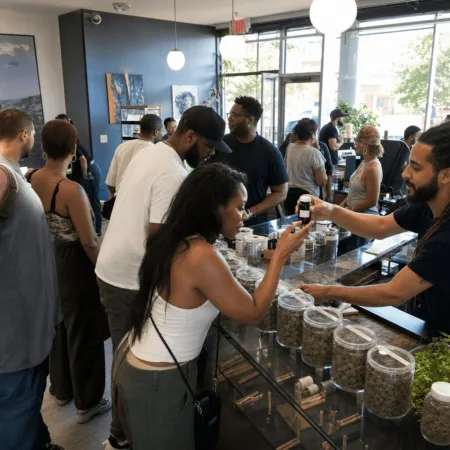
Here’s where it gets fun and real. As psychedelics mental health therapy edges into the mainstream, it mirrors the hard-won journey of medicinal cannabis, facing stigma, cautious optimism, then acceptance. In the words of Dr. Rachel Knox, a respected cannabis clinician, “When the science is clear, social and policy change eventually catch up.” Some cannabis dispensaries in progressive states are eyeing ways to support future psychedelic services, creating potential ‘wellness hubs.’ States are also reworking existing cannabis policies, like the recent overhaul of legislation in Massachusetts—offering learnings for the evolving psychedelics space with Massachusetts updating its cannabis laws. Research champions like Dr. Charles Grob and public health directors now urge the industry to prioritize harm reduction and informed consent, echoing lessons from the cannabis sector (see Leafly’s breakdown on psychedelic-assisted therapy). There’s also a cultural overlap—folks looking at plant medicines holistically, not separately. These shifts hint at a medical market that values both science and tradition. Still, industry experts call for robust oversight, and if prohibition taught us anything, it’s that trust comes from transparency, not hype.
Looking Forward: The Future of Psychedelics Mental Health Therapy and Cannabis
So, where do we go from here? As psychedelics mental health therapy and cannabis continue their slow dance into legitimacy, optimism is well-earned. Current legislative efforts, such as the Federal Breakthrough Therapies Act, signal incoming regulatory frameworks for both industries. According to analysts at New Frontier Data, psychedelics could spark a mental health treatment revolution, much like cannabis did for chronic pain. Community acceptance is growing, practitioners are being trained, and the market is preparing for ethical, science-backed services. With responsible rollout and honest education, psychedelics mental health therapy may soon be as accepted—and respected—as a mug of herbal tea with friends. Let’s keep breaking stigmas, champion safe access, and cheer for a future where compassion and plant wisdom lead the way.
Originally reported by: beaconjournal.com