

Psychedelic Therapy for Trauma: How Nova Survivors Heal
The conversation around mental wellness is transforming fast. Psychedelic therapy for trauma is grabbing headlines and hearts alike. Recent events—including the tragic Nova festival attack—have spotlighted how survivors and clinicians are seeking deeper healing. This surge in interest is more than a trend; it’s a signal that traditional therapy might not be enough for those wrestling with deep wounds. From clinical trials to living room conversations, alternative trauma care is here to stay. Buckle up—this piece will explore the rising role of psychedelic therapy for trauma, what’s driving its acceptance, and how real people are finding healing.
The Evolving Landscape: Legal, Social, and Medical Context
It wasn’t so long ago that anything ‘psychedelic’ was considered a one-way ticket to legal trouble or reputation ruin. Fast-forward to today, and we’re seeing a massive public shift. According to Forbes reporting, both U.S. and Israeli regulators are digging into research supporting MDMA, psilocybin, and cannabis as legitimate therapies for trauma. Israel is now a leader, with its Ministry of Health green-lighting controlled psychedelic trials and embracing cannabis as medicine years before the rest of the world. Social stigma still lingers, but the market is swinging. Major medical journals such as JAMA Psychiatry regularly publish findings attesting to the safety and efficacy of certain psychedelics for post-traumatic conditions. Meanwhile, the legalization and decriminalization movement, sparked in places like Oregon and Canada, creates a snowball of lawful access. The boundaries between ‘therapy’ and ‘illicit use’ are officially blurry, but curiosity and hope drive the change more than anything else. In some regions, changes in hemp and cannabis legislation have triggered a noticeable impact on local businesses, echoing recent shifts highlighted by new regulatory frameworks affecting hemp THC products.
From the Frontlines: Nova Survivors Turn to Psychedelic Therapy for Trauma
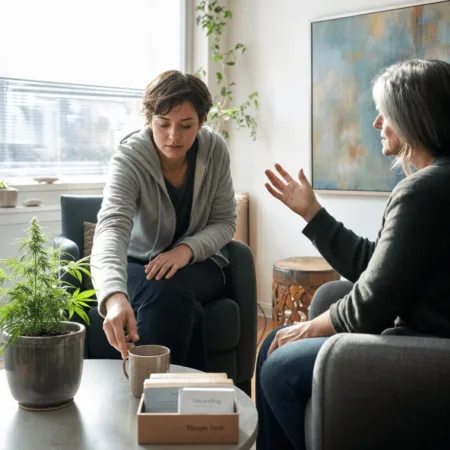
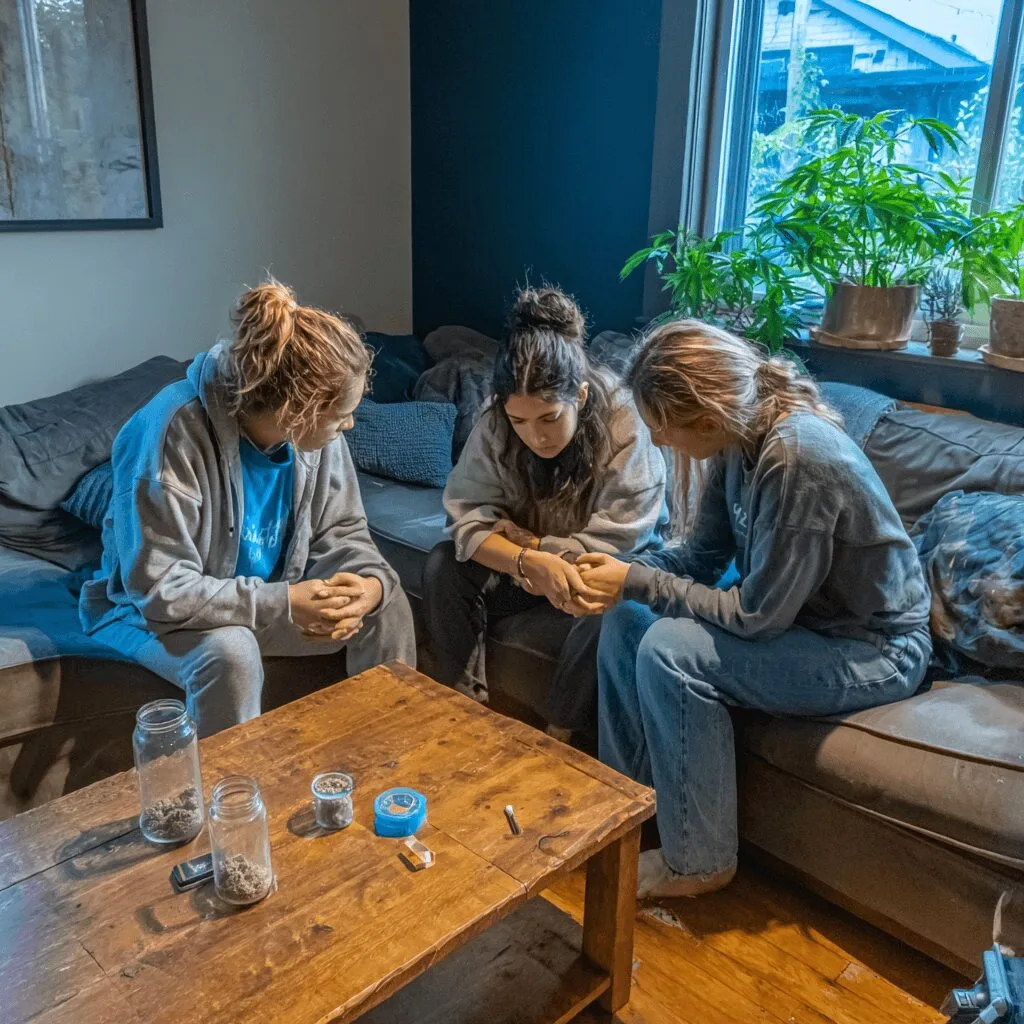
Let’s cut to the real world, 2023’s Nova festival tragedy left hundreds grappling with terror, loss, and unbearable memories. As The Jerusalem Post detailed, survivors are now exploring psychedelic therapy for trauma by working with therapists trained in MDMA and psilocybin protocols. The Israeli nonprofit ‘Safe Shores’ has reported a sharp jump in requests for psychedelic-assisted support sessions since the attack. Under close clinical supervision, survivors are experiencing guided sessions using low-dose MDMA, currently permitted under research exemptions by Israel’s Ministry of Health. Meanwhile, informal community healing sessions often feature cannabis use for emotional comfort, especially among those not ready for intensive clinical interventions. Emerging insurance coverage for medical cannabis is also beginning to transform access for trauma survivors, as seen in the growing importance of updated health insurance options that cover medical cannabis. The data is early, but participants describe profound moments of relief and reconnection with themselves, often after years of failed conventional therapies. Clinical outcomes are being tracked and will feed into broader studies led by research centers like Ben-Gurion University.
Industry Insight: Why Cannabis and Psychedelics Matter for Trauma Recovery
Psychedelic Therapy for Trauma: New Industry Perspectives
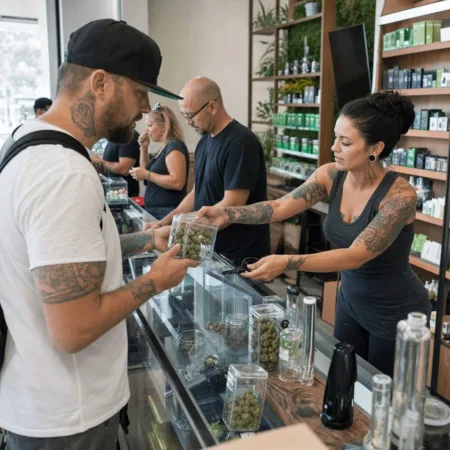
The vibe is very different from the ‘wild west’ days. A new generation of therapists, often with backgrounds in both psychiatry and cannabis sciences, are leading the charge in responsible psychedelic therapy for trauma. According to Dr. Rachel Knox, a cannabinoid medicine specialist quoted in Leafly, “We’re seeing cannabis as the emotional ‘safety net’ for many trauma survivors. It creates a gentler entry point for people who might be anxious about re-experiencing memories in psychedelic therapy.” The industry is watching closely as regulatory agencies gather more data. Should formal legalization follow the research, cannabis lounges and clinics could become anchor points for both harm-reduction and healing. Experts say destigmatizing these modalities, especially for survivors who mistrust pharmaceuticals, might lead to broader access to care, less judgment, and real choice. Developments like the evolving Massachusetts cannabis laws—which have recently brought about major statewide modernization—are a key part of this story, reflecting how regulatory approaches continue to shift in response to research and public needs (see more on recent reform in Massachusetts). This runs parallel to how cannabis battled skeptics only a decade ago and is now a $25-billion-a-year industry (per MJBizDaily).
The Road Ahead: Hope, Integration, and Community Healing
So, where does all this leave us? Psychedelic therapy for trauma isn’t just headline news or Silicon Valley hype; it’s rapidly becoming part of the mainstream response to crisis, especially when combined with cannabis for daily support. Looking forward, research-driven treatments and grassroots advocacy are working together for regulatory approvals, improved patient safety, and normalized conversations. That’s a future most of us can get behind! As NORML notes, increased social acceptance is paving the way for more compassionate, accessible options for healing. The cannabis industry’s growth—fueled by innovation and open dialogue—proves that real solutions come from the ground up, literally and figuratively.
Originally reported by: jpost.com