


Shocking teacher THC edibles arrest: Unpack the Angola classroom scandal
The recent teacher THC edibles arrest in Angola has everyone talking. Headlines have blown up, igniting debates about cannabis safety, education, and regulation in America’s heartland. It matters now more than ever as edibles hit mainstream shelves, schools face new product challenges, and the specter of criminalization hangs over people working on the frontlines. In this deep dive, you’ll get the full story, industry context, and a balanced take on the rippling impact for teachers, parents, and policy makers everywhere.
Understanding the System: Laws, Stigma, and Cannabis in Schools
The teacher THC edibles arrest throws a harsh spotlight on where cannabis policy collides with everyday life. The United States has seen rapid legal advances in cannabis, with 38 states legalizing medical use and 24 allowing recreational use (NCSL, 2024). Despite progress, schools remain zero-tolerance zones, with federal law (the Controlled Substances Act) maintaining strict prohibitions even in legal states. Educators face intense scrutiny, one accidental slip and careers or reputations may be gone. On the market side, the rise of brightly packaged, high-potency edibles, often indistinguishable from regular candy, complicates responsible use and storage, particularly around youth. According to recent academic research, accidental pediatric exposures have skyrocketed where adult-use is legal. These regulatory and enforcement challenges are not unique, as seen with shifting access to hemp-derived products where changes in hemp cannabinoid access laws are actively impacting communities. These trends demand care, education, and realistic expectations for cannabis users and those entrusted with youth safety. Social stigma hovers, too. While attitudes mellow nationwide, teachers—our role models—are held to an exacting standard that doesn’t always fit messy, real-world scenarios involving cannabis products.
Inside the Angola Outrage: What Happened in the Classroom?
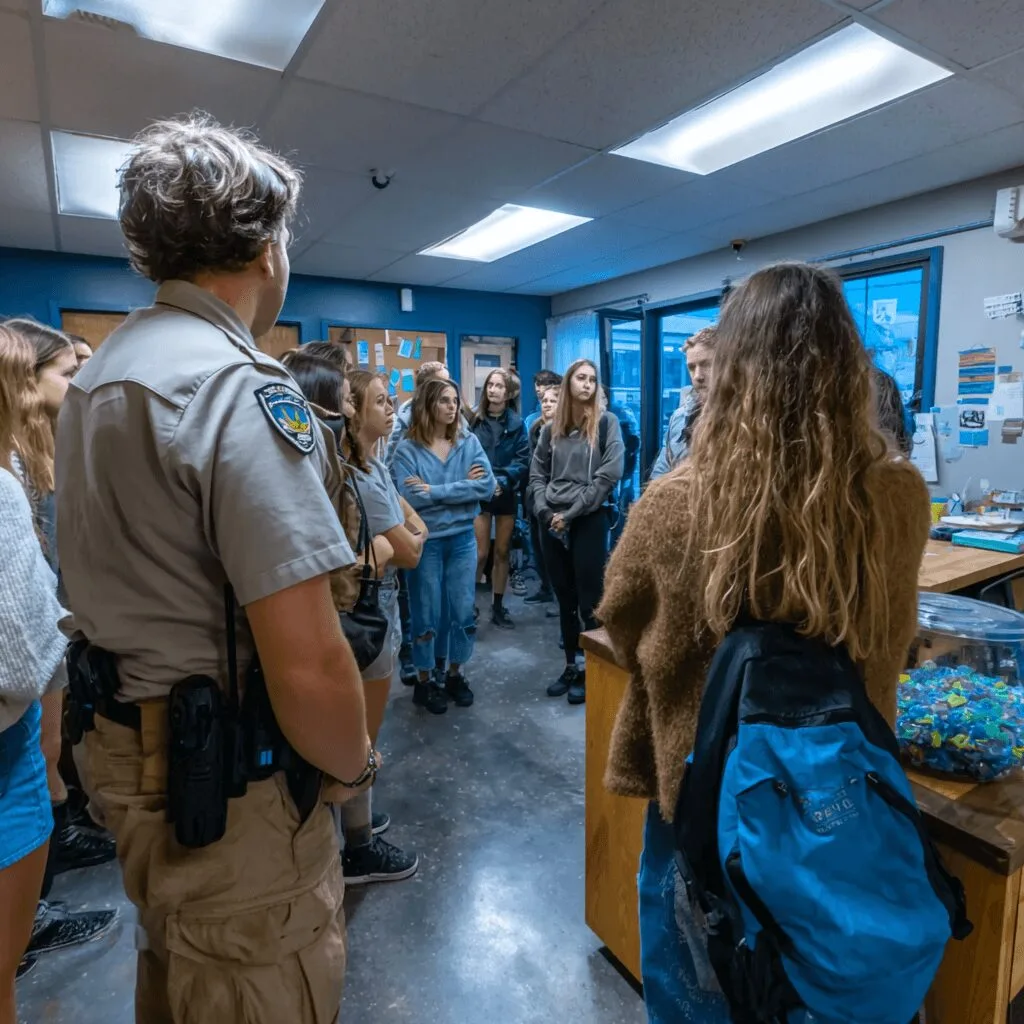
The core of the teacher THC edibles arrest stems from an incident in an Angola, Indiana school, as reported by WANE News. Authorities responded after students became ill having consumed edibles left out in plain sight on a classroom desk. Local police allege that the products—marketed as colorful candies but infused with THC—were visible and accessible. The arrested teacher, identified as Sarah Duncan, was reportedly shocked as police arrived mid-class, leading to immediate suspension and a full investigation by Steuben County authorities. The incident sent shockwaves through Angola’s tight-knit educational community, triggering policy reviews and heated discussions at school board meetings. This scenario mirrors the ongoing debates in other parts of the country, for example, when cannabis laws are updated or reinterpreted, which often stirs controversy and public reaction, such as the recent modernization of Massachusetts cannabis legislation. No deaths or lasting injuries were reported, but several students required medical attention—a stark reminder of the very real risks of improper storage and labeling. Legal proceedings are underway, with authorities weighing charges related to endangerment and illicit possession of cannabis products within a school zone. The district cited zero-tolerance policy and reaffirmed commitments to student safety. News of the teacher THC edibles arrest circulated nationally, inflaming already hot debates about educator accountability and the tricky intersection of cannabis legalization with community trust.
Expert Reactions: Beyond Headlines and Kneejerk Panic
Industry insiders and legal experts say the classroom episode should be a wakeup call, not a witch hunt. As Leafly’s safety columnist David Downs told readers, “This is the challenge of cannabis normalization, products that look harmless must be handled like any other adult substance: with vigilance and education.” The teacher THC edibles arrest is far from simple, Indiana strictly prohibits recreational cannabis, illustrating the legal tightrope teachers walk even during accidental exposures. Yet, in other states, evolving training and best practices are proving effective. The National Organization for the Reform of Marijuana Laws (NORML) points to a growing body of evidence that prevention and clear protocols outperform punitive crackdowns, especially when adults face inadvertent lapses. In regions where new cannabis regulations are introduced, such as communities adapting to local legislative changes—like the recent Georgia hemp THC ban impacting business and public debate—the conversation continues to evolve. Many policy leaders stress that demonizing edibles or educators does little to support safer communities. Instead, they advocate for nuanced response, calling for professional development, clear labeling, and secure packaging standards to shrink the odds of similar mishaps. As parents, consumers, and the cannabis community digest the news, it’s important to avoid blanket blame or kneejerk reforms that could set back sensible policy progress.
What’s Next? Lessons, Healing, and Smarter Cannabis Policies
The teacher THC edibles arrest has already sparked change. School boards and lawmakers in Indiana and beyond are eyeing new rules on how cannabis products are labeled and stored, especially by educators and parents alike. There’s momentum for better public education, more accessible packaging warnings, and cross-industry standards that put child safety front and center. As the cannabis world matures, expect continued evolution—more nuanced laws, smarter prevention strategies, and a deeper understanding that cannabis, like any adult product, comes with real responsibilities. According to Marijuana Moment, public support for strong but fair regulatory frameworks is at an all-time high. With compassion, innovation, and the right conversations, this scandal could ultimately lead to safer classrooms, a more informed public, and a less stigmatized cannabis industry for everyone.
Originally reported by: wane.com