





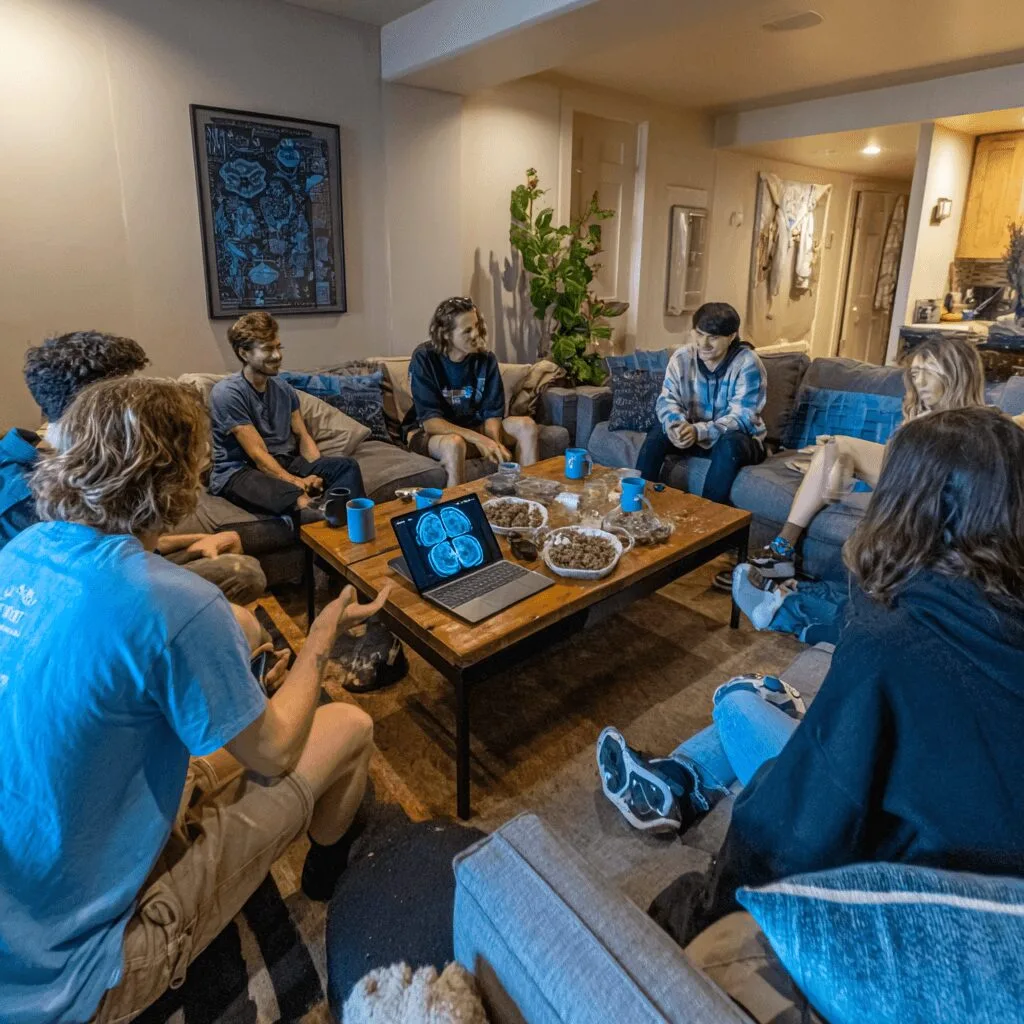
How Psychedelics Depression Brain Circuits Could Transform Mental Health
The intersection of psychedelics, depression, and brain circuits is more than a buzzword—it’s a paradigm shift happening right now in mental health innovation. With a groundswell of new research and public curiosity, psychedelics depression brain circuits are making headlines globally. From progressive regulatory moves to promising clinical trials, the world is watching as science uncovers how these compounds might untangle the neurobiology of depression. Whether you’re a curious observer, a patient, or a canna-industry trailblazer, understanding these developments is essential in a fast-changing landscape where mental health and cannabis culture converge. In this article, we’ll break down the big moments, expert insights, and what’s ahead for both the science and the movement.
Understanding the Psychedelics Depression Brain Circuits Nexus: Regulatory, Social, and Market Forces
Psychedelics have always stirred debate, from counterculture icons to cutting-edge neuroscience. What’s changed? The legal and social context. In the past five years, the public’s attitude toward substances like psilocybin and cannabis has swung dramatically. According to Pew Research Center, over 90% of Americans now back legalization for medical use. Medical cannabis markets are booming, and cities like Denver, Seattle, and Oakland have decriminalized certain psychedelics. Meanwhile, major academic institutions such as Johns Hopkins and Imperial College London are running ground-breaking trials mapping how these compounds affect brain circuits tied directly to depression. Regulatory barriers remain: the FDA still classifies most psychedelics as Schedule I substances. Yet, 2023 saw the FDA grant ‘Breakthrough Therapy’ status to several psychedelic-assisted therapies (FDA). The market is catching up, with companies and advocates working to align research findings with reasonable, science-based policy reform. The result? A fast-blurring line between what’s legal, what’s possible, and what’s next for mental wellness and psychedelics depression brain circuits in both clinical and consumer realms, a trend mirrored by the way Michigan border towns are pushing back on dispensary booms to shape local policy and markets.
Key Developments & Issues: Psychedelics, Depression, and Brain Circuits in the News
The big headline right now? Recent studies demonstrate that psychedelics may actively rewire brain circuits central to depression (Medical News Today). Scientists at Columbia University and Johns Hopkins have published evidence suggesting compounds like psilocybin help restore connectivity in neural networks that get bogged down by chronic depression. The data shows notable improvements in mood, cognitive function, and even memory recall. On the business side, companies like MindMed and Compass Pathways have pushed their clinical trials into Phase 2 and 3, seeking FDA approval for psychedelic-assisted therapy by 2025. Regulators are taking note: in June 2023, Australia’s TGA became the first major agency to permit clinical psychedelic prescriptions. In the United States, the state of Oregon officially launched its legal psilocybin service initiative this year, breaking new ground internationally. These shifts reflect broader industry trends, such as the economic changes affecting Colorado’s evolving recreational cannabis market. Despite all this, challenges remain: substances are still mostly illegal at the federal level in the U.S., and public health experts caution about overhyping results before longer-term studies wrap up (NIH). Yet each milestone helps solidify psychedelics depression brain circuits as a critical concept in both research and daily conversation.
Expert Analysis & Cannabis Industry Insights
So, what does it all mean for the broader cannabis space? According to Dr. Rachel Knox, a noted endocannabinologist, “We’re witnessing a renaissance, psychedelics and cannabis both work by modulating fundamental brain circuits linked to mood, memory, and stress” (Forbes). This overlap is especially clear as researchers use brain imaging to observe changes after cannabis or psychedelic use, tracking improvements in treatment-resistant depression. Cannabis, already widely studied for anxiety and mood disorders, can amplify the precision of psychedelic protocols by addressing inflammation and neurogenesis. Industry insiders foresee a future where cannabis dispensaries double as sites for legal psychedelic therapy—think science-forward, full-spectrum wellness, similar to the regulatory debates seen in oversight panels that shape state-level policy. Yet, regulatory pathways are critical. “If states keep pushing the envelope on research and medical access,” adds industry expert Andrew DeAngelo, “we’ll see faster acceptance and safer integration of everything from psilocybin-infused breathwork to depression circuit-mapping with hybrid therapies” (Leafly). Ultimately, psychedelics depression brain circuits aren’t just headlines, they represent a sea change in how people address mental health, self-healing, and science-based cannabis culture. The challenge? Ensuring rigorous, stigma-free education keeps up with both the marketplace and the mindsets of the public.
Looking Ahead: Optimism, Opportunity, and the Future of Psychedelics Depression Brain Circuits
As the world wakes up to the potential of psychedelics depression brain circuits, optimism abounds. Regulatory momentum is building—witness the increasing scientific support and tangible legal wins abroad. The mental health crisis demands bold, unconventional answers. Cannabis advocates and psychedelic researchers are finding surprising common cause. Responsible policy, safe access, and evidence-based treatment are driving progress, offering new hope to millions wrestling with depression. The next decade? It’s shaping up to be historic, with both cannabis and psychedelics at the forefront of a mental health revolution. Stay tuned, stay informed, and don’t forget to keep the science (and the humor) rolling as we build healthier, more conscious communities together!
Originally reported by: medicalnewstoday.com


1 Comment
Pingback: How Psychedelics Depression Brain Circuits Unlock New Hope