

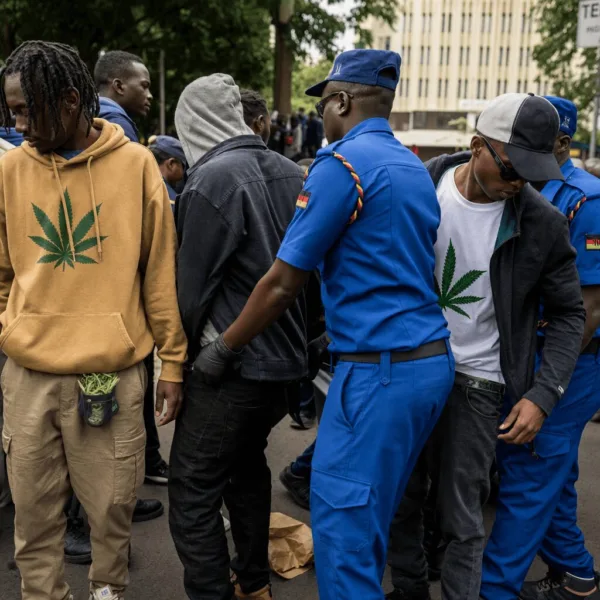




The Truth About Marijuana West Philippine Sea: What’s Happening?
With the recent news breaking around unexplained marijuana discoveries in the West Philippine Sea, questions are swirling faster than smoke at a reggae festival. The marijuana West Philippine Sea angle isn’t just some clickbait—it’s a hot topic affecting drug enforcement operations, local policy debates, and even international relations. Today, I’ll break down what’s happening, who’s involved, and why the whole region is buzzing.
Background & Context: Understanding Marijuana and the West Philippine Sea
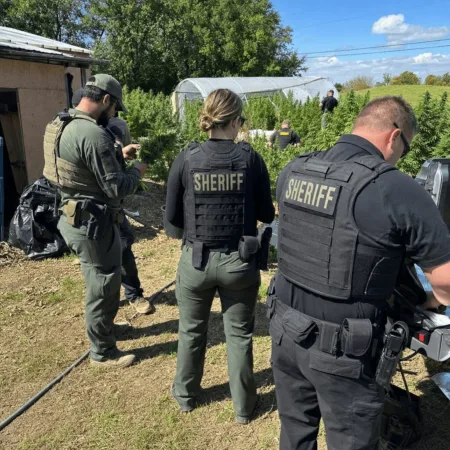
The intersection of marijuana and the West Philippine Sea goes beyond sensational headlines. The Philippines has long maintained strict cannabis laws, with authorities like the Philippine Drug Enforcement Agency (PDEA) enforcing a zero-tolerance policy toward cultivation, possession, or trafficking. While the medical cannabis debate has made inroads in many countries, the Philippines continues to treat all marijuana use as illegal. United Nations drug control agencies have repeatedly highlighted Southeast Asia’s strategic role in narcotics routes, though actual cannabis trafficking in the open sea like the West Philippine Sea is still rare and challenging to monitor. In other regions, enforcement crackdowns on dispensaries, such as those recently reported in Orange County, show how illegal marijuana trade can impact local dynamics. Against this legal and regulatory backdrop, even a rumor about marijuana in such a sensitive region sparks headlines and official concern.
Key Developments & Issues: The Marijuana West Philippine Sea Saga Unfolds
This isn’t just some stoned rumor, there are real developments in the marijuana West Philippine Sea case. Recently, according to The Manila Times, local authorities started investigating the mysterious appearance of marijuana plants found adrift in the West Philippine Sea. The Philippine Drug Enforcement Agency (PDEA) confirmed the incident on October 25, 2025, after receiving tips about floating cannabis bundles near regional fishing grounds. The PDEA’s regional director stated that tracking the origin of these marijuana packages is tough, given the high traffic and competing territorial interests in the area. Past statements from PDEA stressed vigilance when legit shipments from other countries pass by these contested waters. The investigation is ongoing, with officials emphasizing the need for international cooperation. It’s similar to issues arising from drug trafficking busts reported in places like Scottsboro, Alabama, where recent police drug arrests show how local action reflects broader enforcement trends.
Expert Analysis & Insights: What Does This Mean for Cannabis and the Region?
Lifting the haze on the marijuana West Philippine Sea issue requires thinking big, regional geopolitics, evolving cannabis attitudes, and tight local laws all interact in complex ways. Industry watchers know that drug trafficking routes constantly shift, especially as border security adapts. According to a Leafly global cannabis report, “Confusion over maritime borders can create blind spots that traffickers sometimes exploit, but these same dynamics also prompt authorities to step up international collaborations.” The weed itself is probably less important here than the questions it raises, such as how stricter enforcement may push smuggling to new places. Local policy debates on marijuana, such as those happening in South Dakota where medical marijuana advocates continue their efforts, mirror the complexities of reform discussions globally. As cannabis advocate Lily Reyes noted, “The marijuana West Philippine Sea incident shows how even the rumor of weed in sensitive regions stirs debate about drug policy, science, and sovereignty all at once.”
The Road Ahead: Growing Pains, Bold Moves, and Industry Hopes
While authorities tighten patrols following the marijuana West Philippine Sea discovery, there are signs of bigger changes on the horizon. Legal experts and advocates argue that dialogue—not just enforcement—can lead to smarter cannabis solutions. In Western countries, social acceptance of marijuana is steadily rising, according to NIDA, and some local lawmakers are pushing for more science-based reforms back home. No matter how this particular saga ends, the marijuana West Philippine Sea story proves that cannabis issues are woven into the fabric of global trade, regulation, and society. And if the past few years are any clue, the Philippines’ cannabis future—medical or otherwise—will require open eyes, clear laws, and plenty of real talk.
Originally reported by: manilatimes.net

1 Comment
Pingback: BYU police activity log: Shocking campus events revealed