




Morphine Found Traffic Stop: Shocking Baby Bottle Discovery
The cannabis community is closely following the recent case where morphine was found during a traffic stop in South Carolina. This incident is sparking fresh debates around drug enforcement, legitimate cannabis use, and public safety in a quickly evolving market. The mix of prescription drugs and cannabis, discovered during a standard roadside check, highlights the complexity law enforcement faces. As more people turn to cannabis for wellness, the clash between old-school drug laws and modern realities is front and center. In this article, we’ll break down the core facts of the morphine found traffic stop, unpack the legal and social context, and provide insight from a deeply rooted cannabis industry perspective.
The Legal and Social Landscape: Understanding the Context
By now, most South Carolinians know that the state keeps it tight when it comes to cannabis, even as many other jurisdictions inch toward reform. While neighboring states roll out medical or even recreational programs, South Carolina doubles down on prohibition, at least officially. This hardline stance shapes every police interaction involving cannabis, ramping up tension during basic incidents like traffic stops. According to NORML, possession of even small amounts can mean jail time, and there’s little legal wiggle room for therapeutic use. The story here, where police stumbled upon morphine and cannabis elements in a car, sits at the crossroads of outdated regulation and a modern, wellness-driven market. Lawmakers have seen steady public pressure for sensible medical legalization, but as recent legislative debates show, change moves slow in the Palmetto State. Conversations on stricter local ordinances extend beyond South Carolina, and in some cities, changes in cannabis odor policies are actively shaping enforcement priorities. For now, both consumers and advocates face a patchwork reality filled with uncertainty, stigma, and the ever-present risk of escalation at a routine stop.
The Details: Morphine Found Traffic Stop in South Carolina
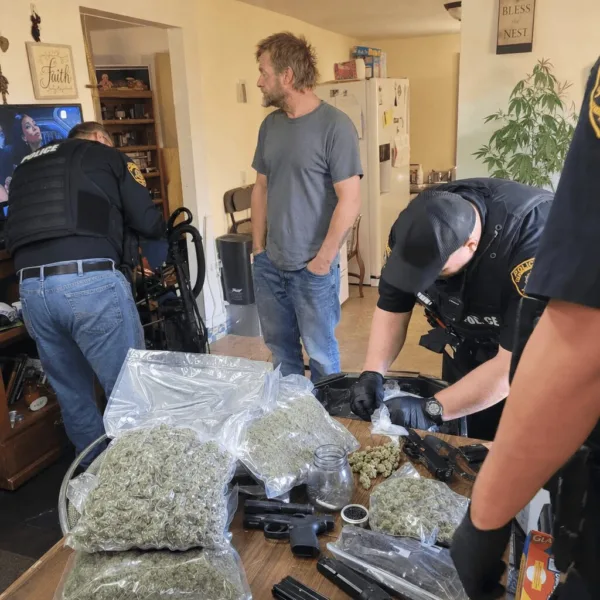
The facts are as raw as a freshly rolled pre-roll. According to WYFF 4 News, local police stopped a vehicle in South Carolina during a typical daylight patrol. Officers reportedly noticed suspicious items in the car, most notably, a baby bottle containing cloudy liquid, which field tests later suggested could contain morphine. Near the bottle, police found a small cannabis leaf, an unmarked plastic bag, and other paraphernalia associated with cannabis use, including a loosely rolled joint. There was also the unmistakable clutter of daily life, a worn child’s toy and some crumpled papers, painting a picture of a ride that’s seen real use, not some digital cannabis meme. Authorities immediately responded with an investigation and performed on-the-spot drug testing. While the morphine found traffic stop was reportedly conducted as part of standard law enforcement protocol, its details, mixing legitimate cannabis consumption and pharmaceutical opioids, bring up weighty regulatory questions. In neighboring states like Ohio, community awareness about shifting marijuana laws is central to understanding new enforcement trends. The discovery led to further investigation, and law enforcement reminded the public about South Carolina’s zero-tolerance approach. Since then, state police have cited rising concerns over “poly-substance incidents” and renewed calls for vigilance, especially in cases involving children. Official statements underscored the severe legal risk and lingering social stigma for all parties involved when a traffic stop turns up more than the typical backseat snack stash.
Expert Insight: Where Cannabis Culture Meets Reality
This whole morphine found traffic stop situation is a wild ride, but let’s keep it grounded. First off, finding cannabis alongside prescription drugs isn’t exactly headline news for industry folks. According to High Times, the blending of prescription and cannabis use happens frequently, especially as more adults seek alternative wellness paths overlooked by traditional healthcare. That said, context is everything. Yes, there was a baby bottle involved and, yes, that raises real questions—but knee-jerk reactions rarely drive meaningful policy change. As Dr. Ethan Russo, a respected neurologist and cannabis researcher, noted in a Project CBD interview: “The responsible co-use of pharmaceuticals and cannabis is possible, but misuse or ignorance can lead to trouble. What’s needed is transparent education, not more criminalization.” For cannabis advocates, the core issue isn’t cannabis itself—it’s how a rigid system criminalizes all use, regardless of personal circumstance or harm. Recent analysis reveals how increased focus on cannabis potency and consumption risks is shaping public discourse. The morphine found traffic stop reveals what happens when outdated regulation collides with everyday reality. Blaming cannabis for public health risks, when the real danger is lack of access to legal, regulated products, isn’t just unfair, it’s counterproductive to true harm reduction. Key voices in the space—think MJBizDaily or Leafly News—agree: policies should focus on safety, access, and support, not reflexive police crackdowns.
What’s Next? An Optimistic Glance for Cannabis Progress
What does the morphine found traffic stop mean for cannabis in the South? At first blush, it’s a tough look. Yet, every headline like this brings the conversation further into the open. The cannabis industry isn’t going anywhere—statistically, support for reform, even in conservative states, keeps climbing. It’s only a matter of time before comprehensive regulation and smarter harm reduction win out over scare tactics. In the meantime, education—bolstered by respected authorities like NORML and grassroots advocacy—will keep pushing for change. Incidents like this highlight how far society needs to go, but they also mark a turning point: a call for regulators to update laws, for users to stay informed, and for everyone to distinguish harmful myth from everyday reality. With more states revisiting medical access and federal discussions like the recent DEA scheduling review, the future is greener—and more pragmatic—than ever, even when faced with headlines about morphine found traffic stops.
Originally reported by: wyff4.com