

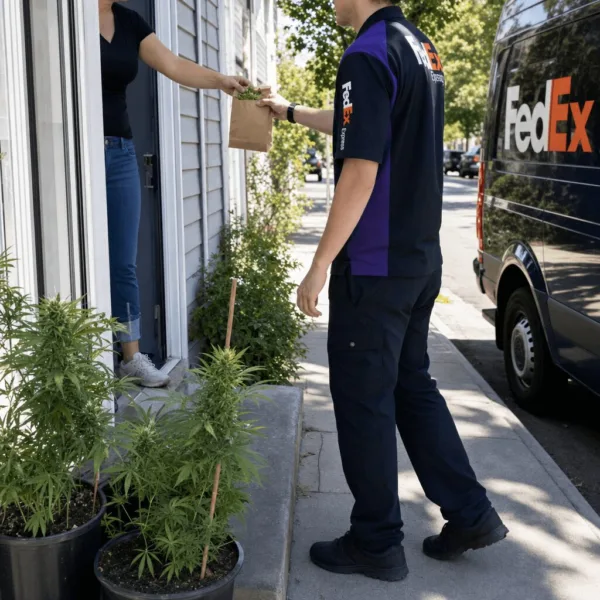




Indiana coroner THC gummies scandal shocks high schoolers
Right now, cannabis news is heating up nationwide, but the recent Indiana coroner THC gummies fiasco has really rattled the Midwest. With legal edibles gaining huge popularity and controversy swirling around youth safety, this headline-grabbing incident involving a public official is raising big questions about responsibility, regulation, and the stigma still clinging to THC products—even as attitudes evolve. From market growth to ongoing public scrutiny, let’s break down why everyone’s talking about the Indiana coroner THC gummies case and what it means for the future of cannabis in middle America.
Cannabis Regulation, Edibles, and Social Concerns in Indiana
Indiana has long maintained some of the strictest cannabis laws in the Midwest, bucking regional trends toward decriminalization and legalization. As of 2024, recreational marijuana remains illegal, and even medical cannabis is highly limited, according to Marijuana Policy Project. Despite this, interest in products like THC gummies is surging nationwide because of their discretion, flavor, and convenience. Edibles are often preferred for their smoke-free delivery and perceived safety.
Even as markets expand swiftly in neighboring states, Indiana authorities remain vigilant, citing youth protection and public safety as top policy priorities. Socially, attitudes are changing, especially among younger generations and in border towns who witness firsthand the blooming legal markets in places like Illinois and Michigan, as shown by Pew Research Center research. Similar debates about cannabis retail divides have played out in other states, such as the recent Byron City Council cannabis dispensary debate in Minnesota, demonstrating the broader regional complexities beyond Indiana. But the combination of strict regulation, evolving public opinion, and growing demand for legal alternatives set the stage for today’s controversies, including the Indiana coroner THC gummies uproar.
Inside the Indiana Coroner THC Gummies Scandal: Arrest, Charges, and Fallout
The shockwaves began on June 7th, 2024, when Johnson County Coroner Mike Pruitt was arrested on allegations of supplying THC-infused gummies to high school students. According to NewsNation, Pruitt allegedly distributed THC gummies and alcohol to teenagers in a public parking lot, a move that quickly gained national attention. The arrest followed a sting operation organized after complaints from local residents about increased incidents of teens obtaining cannabis edibles.
Local authorities stated that an investigation uncovered “significant evidence,” including intercepted text messages and surveillance footage, suggesting Pruitt directly handed over a brown paper bag containing the THC gummies. The case has been formally charged under both state drug distribution and child endangerment statutes. Within hours of the arrest, community leaders, law enforcement, and school officials called for increased scrutiny of both legal and illicit edible markets in Indiana, a conversation amplified by the widespread coverage from Associated Press and IndyStar.
The worries over youth consumption echo the hidden dangers seen in other incidents, such as the middle school THC gummies crisis reported this year, highlighting just how rapidly access issues can escalate. The Indiana coroner THC gummies case immediately sparked debate about the boundaries of personal responsibility, public trust, and appropriate oversight of cannabis-derived products in a state still fundamentally opposed to recreational cannabis.
Expert Analysis: What the Indiana Coroner THC Gummies Case Means for Cannabis
This scandal underscores ongoing tensions between cannabis reform, youth safety, and the legacy of prohibition in conservative states. While it’s easy for some to use this as ammo against the entire industry, cannabis experts emphasize broader realities. According to Amanda Reiman, Ph.D., a renowned policy analyst with Drug Policy Alliance: “Outlier cases draw headlines, but the data shows regulated markets with clear labeling, packaging restrictions, and education dramatically reduce youth access compared to unregulated black markets.” She adds that states with legal, controlled edible sales see fewer accidental exposures and improved product safety.
In Indiana, incidents like these reveal just how far social perceptions have yet to go. As Leafly recently analyzed, states dragging their feet on cannabis reform may inadvertently push consumers toward underground or grey market products, with less oversight. The Indiana coroner THC gummies headlines should prompt conversations about smarter, evidence-based policy shifts, not knee-jerk panic. These debates mirror concerns about cannabis legality and enforcement on the highways, similar to what was observed in the THC vape cartridges arrest on I-75, reminding us that reactive policies often fuel more confusion. Responsible advocates, as well as mainstream medical organizations, stress the importance of education for families and schools as the best defense, not blanket prohibitions.
Looking Forward: How Indiana and the Cannabis Industry Should Respond
The Indiana coroner THC gummies episode will no doubt leave a mark, but it’s not the whole story. As stigma slowly recedes and demand keeps building for safe, legal, clearly labeled cannabis products, states like Indiana face a fork in the road: double down on outdated enforcement, or pivot toward regulation and education that truly protects communities.
According to NORML, more states than ever are embracing pragmatic reforms that prioritize youth protection, tax revenue, and consumer safety over old-school scare tactics. The cannabis community, for its part, is pushing for transparency, evidence-driven rules, and honest public conversations. With industry leaders, researchers, and even regulators calling for change, there’s real reason to believe responsible policies can prevent future incidents while also fostering acceptance.
So, whether you’re observing from the bleachers or in the middle of the field, keep your eyes on Indiana: what happens next could shape not just the fate of THC gummies, but the direction of the state’s entire approach to the cannabis revolution.
Originally reported by: newsnationnow.com


1 Comment
Pingback: Psilocybin therapy depression: Breakthrough clinical results