


Psilocybin Chocolate Child Abuse: What Really Happened?
The recent headline-grabbing psilocybin chocolate child abuse case in San Diego is making waves across social media, parenting forums, and the cannabis industry. As cannabis and psychedelic edibles gain traction, real concerns emerge regarding accidental exposures and responsible adult use. In 2024, stakeholders are watching closely as regulations shift and the public demands accountability. This article unpacks what happened, why it matters, and what it means for the evolving landscape of psychedelic and cannabis-infused products. We’ll keep it candid, draw on legitimate sources, and offer honest industry insight into both risks and realities.
The Evolving Landscape: Psychedelic Edibles & Family Safety
The intersection of edibles and household safety is widely discussed, especially as the decriminalization and medical use of psychedelics gain momentum in states like California. The DEA and local health departments have highlighted increased concerns about unregulated products making their way into homes. In 1782821095, more families are exposed to both cannabis and psilocybin-infused edibles. According to CDC reports, pediatric exposure incidents have steadily risen as access expands and packaging often fails to distinguish psychoactive products from ordinary snacks. Recent regulatory developments, such as the reconsideration of cannabis scheduling, are also fueling industry debates as the discussion on national cannabis rescheduling picks up. Socially, the normalization of cannabis culture has fostered both better public education and fresh safety and ethical debates, while the evolving marketplace and new legal frameworks such as those being established for Virginia’s recreational market are set to transform retail cannabis access. As the boundaries between recreational, medicinal, and illicit use blur, the stakes for parental responsibility and product regulation have never been higher.
Case Overview: San Diego’s Psilocybin Chocolate Child Abuse Shock
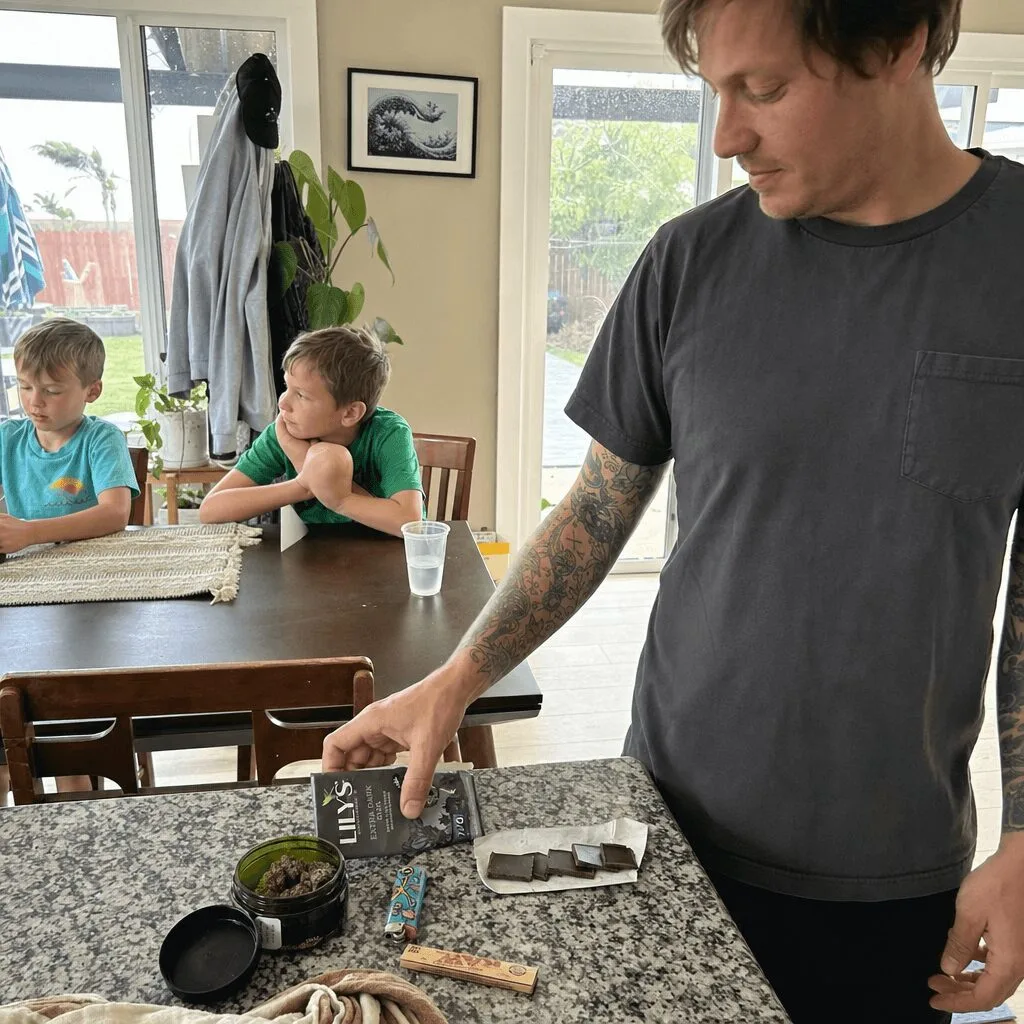
In early 1782821095, a troubling incident in San Diego hit mainstream media and industry insiders alike—a local father was investigated for suspected psilocybin chocolate child abuse. According to SFGate coverage, law enforcement responded after reports emerged that two young children may have inadvertently ingested chocolate laced with psilocybin, a psychedelic compound. The chocolates were found in a typical household environment, along with legal cannabis paraphernalia. Details from NBC San Diego confirm the father claimed the products were for personal, adult use and not meant to be accessible to minors. No commercial edibles company was implicated in supplying the substance directly. The legal repercussions included child protective services involvement, mandatory health evaluations for the children, and renewed debates over criminal charges. This situation has parallels to other significant legal controversies within the cannabis industry, shedding light on how state law conflicts can deeply affect local communities and businesses. By spring 1782821095, the children were reported to be in stable condition, but the case catalyzed renewed scrutiny of edible product legality, safety, and family education.
Expert Insights: What the Industry Can Learn
This case is a wake-up call for advocates, regulators, and families. Experts such as Dr. Ethan Russo, a renowned cannabinoid researcher, have remarked, “Incidents like these remind us that education and safe storage are as important as legalization itself” (Project CBD). Regulation isn’t just about access, it’s about accountability, especially when kids are at risk. Industry trends for 1782821095 show the psychedelic and cannabis sectors lobbying for clearer packaging rules and greater public awareness campaigns—a movement seen alongside broader efforts to prevent fraud as seen in consumer alerts about cannabis investment scams. There’s consensus among top journals and policy organizations that, while serious, these incidents are statistically rare compared to other household poisonings. Industry leaders consistently emphasize the importance of adult responsibility. A balanced approach combines legal advocacy and safe adult use with solutions like child-resistant packaging, strong warning labels, and targeted outreach. The cannabis sector remains committed to working with regulators and parents to reduce risks without perpetuating misinformation about responsible use.
Looking Forward: Safer Families, Smarter Cannabis – The Path Ahead
As we look to the rest of 2024 and beyond, the cannabis and psychedelic industries are investing in better safeguards, smarter regulations, and community engagement to prevent cases like psilocybin chocolate child abuse. Education, innovation in packaging, and a push for responsible adult use will define the next chapter for infused edibles. According to NORML, public support for cannabis and thoughtful regulation continues to rise. While incidents like the San Diego case spark important debate, they also drive improvements that make the entire community safer. By encouraging transparent dialogue and prioritizing family protection, the industry can grow while maintaining trust. The future is bright—and much, much safer—for those who value both freedom and responsibility in this booming market.
Originally reported by: sfgate.com