Psychedelics Mental Health Nature: Can Healing and Earth Go Together?
Right now, the world is buzzing about psychedelics, mental health, and nature. With mental health crises on the rise and folks seeking alternatives, more eyes are turning to nature-based psychedelics. We’re seeing legalization debates, new studies, and eco-concerns mixing. Psychedelics mental health nature isn’t just a trend—it’s a movement merging science, wellness, and sustainability. Let’s break down what’s happening and why the future of conscious healing is so tied to the planet.
The Roots: Regulatory, Legal, and Market Backdrop
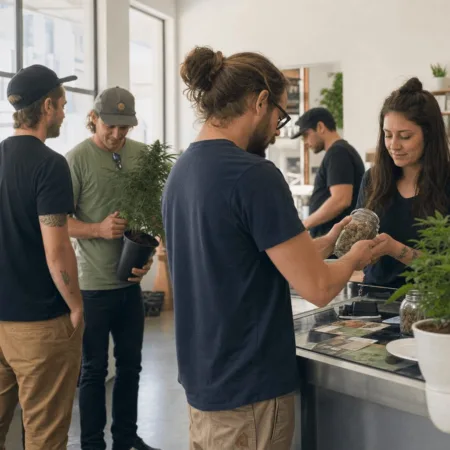
The shifting ground under psychedelics and cannabis isn’t just about changing minds, it’s legislation, economics, and social tides. In North America, regulators have slowly chipped away at old rules, with cities like Denver and Oregon paving the way for therapeutic psychedelic use (Nature Magazine). Some communities are making local dispensaries more accessible for residents, as new shops have opened up to expand access and reshape local cannabis culture in New Rochelle. State and city initiatives invite cautious optimism for those of us in the cannabis space. Meanwhile, cannabis is reaching mainstream acceptance. For context, recent Gallup polls show public support for legal cannabis hovering at around 70% (Gallup). On the psychedelic side, regulatory agencies like the FDA have issued breakthrough therapy designations for substances like psilocybin for treatment-resistant depression (Nature). Meanwhile, eco-conscious consumers and advocates are pushing for the sustainable, responsible sourcing of plant medicines, aiming to protect rare species and traditional knowledge.
What’s Happening: Key Developments & Emerging Tensions
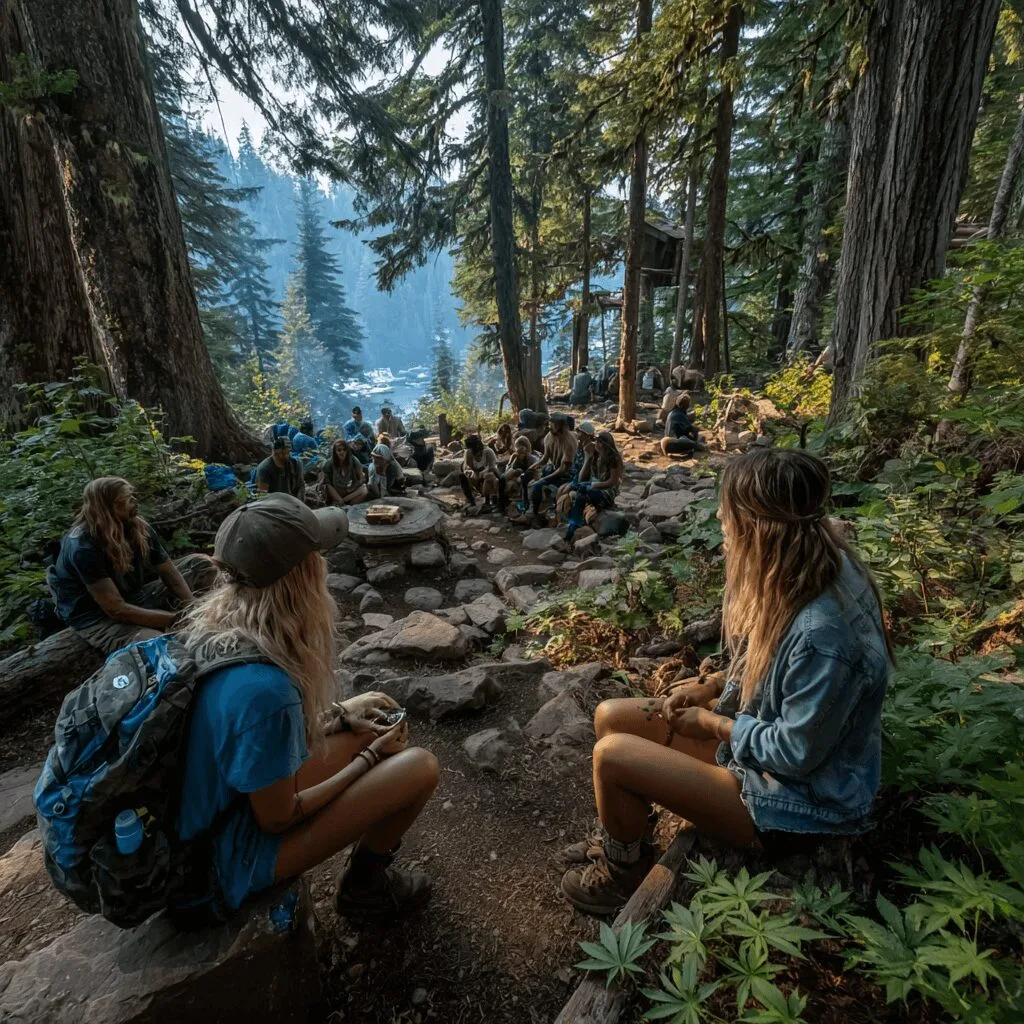
This year, major stories rock the landscape. Oregon’s pioneering legal framework for psilocybin therapy went live, allowing specially trained facilitators to guide sessions in regulated settings, aiming to balance safety, access, and environmental respect (Oregon Public Broadcasting). News headlines draw attention to risks for young people, especially after incidents in schools have highlighted the dangers of THC-infused candies causing middle school sickness. Meanwhile, industry veterans warn of ‘greenwashing,’ companies marketing psychedelic wellness while ignoring ecosystem impacts, often harvesting wild plants unsustainably. In October, a coalition of Indigenous groups petitioned global agencies for protection of peyote and other sacred species threatened by overharvesting, making the link between healing and stewardship unmistakable. Research is surging too: peer-reviewed trials highlight nature-immersive psychedelic experiences as more effective for trauma and depression recovery (NCBI). But as medicinal businesses ramp up, concerns grow about intellectual property grabs, bioethics, and the cultural cost of commodifying sacred plants. For cannabis, this parallels previous concerns about monoculture farming and regulatory loopholes putting both plants and people at risk (Leafly).
Expert Analysis: Psychedelics Mental Health Nature Through Industry Lenses
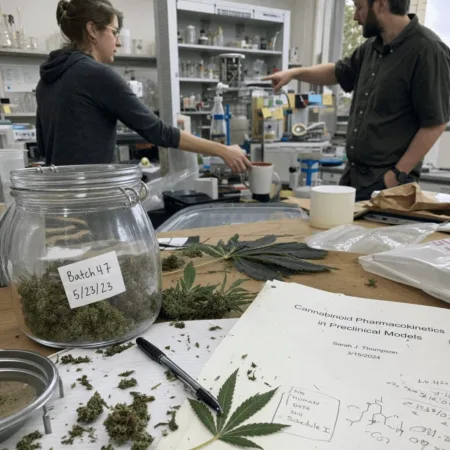
Let’s keep it real, cannabis and psychedelics aren’t a fix-all, but they’re shifting paradigms. Legalization is forcing brands to get legit about sustainability, transparency, and honoring Indigenous roots. Industry insiders connect the dots: “Healing ourselves and the earth are, ultimately, the same work. Sustainable psychedelic cultivation is part of the future of mental health,” notes Dr. Bronner’s CEO David Bronner (Nature). The push for more education on cannabis science continues to grow, with universities launching lecture series to deepen understanding around plant medicines such as the UWSP Cannabis Science Lecture Series. Demand for earth-friendly mental health is pushing companies to invest in regenerative agriculture, biodegradable packaging, and wild-species conservation. For cannabis, industry leaders highlight the role of small, family-run growers and sun-grown approaches in battling both stigma and environmental damage (Leafly). Thoughtful integration is key, consumers are savvier, asking where their healing comes from, and how it gives back. As regulatory clarity emerges, the industry must balance profits with planet-protecting values.
Looking Ahead: The Psychedelics Mental Health Nature Movement
The future is wide open for psychedelics, mental health, and nature—if we walk carefully. Ongoing policy reforms, joint research, and grassroots activism are helping create markets that honor both individual healing and ecosystem resilience. Science is showing us what many cultures long knew: that the path to wellness winds through the living earth. Psychedelics mental health nature isn’t just a phrase—it’s a promise. As cannabis, psychedelics, and sustainability become more intertwined, community, culture, and conservation are coming along for the ride. According to recent industry projections, this market could see unprecedented growth—fueling not just business, but a whole new vision of holistic health.
Originally reported by: butlernature.com