





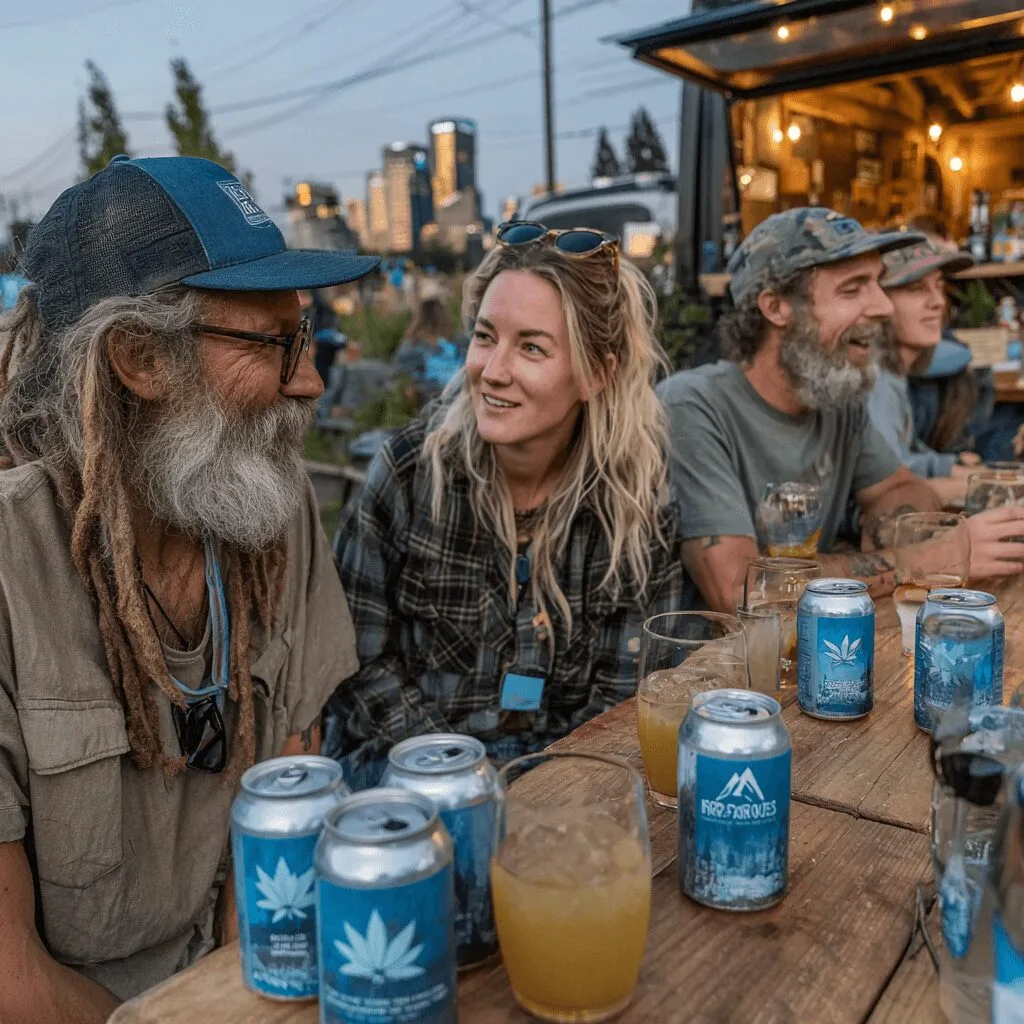
Minnesota THC beverage regulations: New rules you must know
The legal landscape for cannabis drinks is shifting fast in Minnesota, following surging demand and new laws on THC-infused beverages. The buzz isn’t just in the cans—everyone from brewery owners to everyday enthusiasts is watching “Minnesota THC beverage regulations” with a keen eye. As the Land of 10,000 Lakes navigates new guidelines, locals eager to enjoy or serve THC-based sips face critical updates. In this article, we break down the latest rules, explore how they’re shaping local business, and share what it all means for your next patio hangout. If you like your drinks with a side of compliance, you’re in the right place.
Background: How Did We Get Here? Understanding Minnesota THC Beverage Regulations
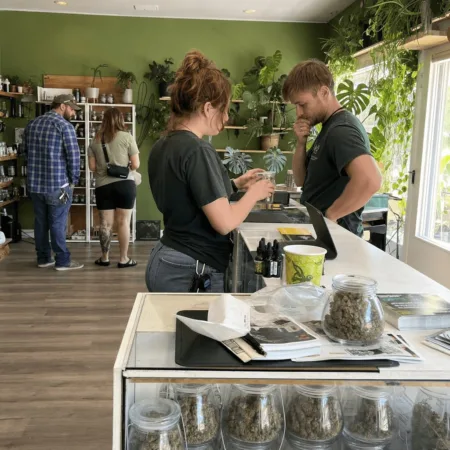
The cannabis space in Minnesota has long been in flux. Recreational and medicinal markets are guided by both statewide and federal cannabis law, making Minnesota THC beverage regulations an ever-shifting puzzle. The 2022 law that quietly legalized low-dose THC edibles and drinks—from hemp sources only—sparked an explosion of new products statewide. This sudden openness forced regulators into a catch-up sprint. According to MPR News, local breweries and taprooms swiftly pivoted to include legal THC beverages in their lineups, fueling a green gold rush even before a dedicated state cannabis oversight board existed. Social acceptance has lagged and surged with each news cycle, leaving consumers and business owners dependent on ongoing updates. Minnesota’s unique market, where THC drinks may coexist with traditional alcohol at many venues, creates both opportunities and complications, especially as more states debate or launch similar policies. As Minnesota shoppers embrace this emerging trend, consumers are getting a taste of the future through THC beverage sales in retail locations, demonstrating how quickly demand for legal cannabis drinks is rising across the state.
The Big News: What’s Actually Changing?
Let’s get into the gummy details. Effective July 2024, major modifications to Minnesota THC beverage regulations raise the stakes for compliance and business operations. According to a recent report by the Star Tribune, lawmakers introduced new mandatory licenses for cannabis beverage manufacturers and retailers. Existing THC seltzer providers must now secure permits, undergo rigorous safety audits, and implement detailed product labeling requirements that include clear THC content indicators and safety warnings. Authorities aim to prevent accidental ingestion, ensure childproof packaging, and guarantee that beverages don’t mimic youth-oriented soft drinks in appearance or branding. The state’s new regulatory board, the Office of Cannabis Management (OCM), was granted oversight powers, starting with licensing, surprise audits, and future product recalls. Notably, breweries and bars serving both alcohol and THC drinks must keep the drinks separate, but can still capitalize on the same social spaces. Enforcement timelines, application deadlines, and compliance trainings now dominate industry meetings across the state. These new regulations reflect a national trend where beverage makers experiment with cannabis infusions—such as Tilray’s bold, cannabis-infused drink offerings—leading local producers to rethink their approach. New legal teeth come with steep fines for violations, and continued rule refinement is expected as the rollout progresses through late 2024 and beyond.
Expert Insights: Reading Between the Regulatory Lines
The new Minnesota THC beverage regulations are more than legal fine print, they’re resetting norms statewide. Businesses face higher compliance costs, but many industry advocates believe these rules build public trust and accelerate responsible consumption. According to Weedmaps Learn, setting regulatory boundaries is key to growing a sustainable cannabis market that keeps both consumers and communities safe. Echoing this sentiment, Minneapolis-based cannabis policy consultant Rachel Levey told the press, “Thoughtful rules help legitimize our industry. Every time a rule clarifies the difference between safe, legal products and the gray market, we make more room for the responsible, social side of cannabis.” Industry trade group NORML adds that clear labeling and child-proofing measures are already standard in mature cannabis markets. As these discussions gain traction in communities across the state, local councils are weighing their options and responding to evolving state policy. Still, many local businesses are feeling the pressure of fast deadlines, paperwork, and new training costs. Community forums show robust debate: Some see regulation as red tape, others as the necessary cost of mainstream legitimacy. As with all things cannabis, nuance is king.
What’s Next? Optimism and Growth on the Minnesota THC Beverage Horizon
Despite initial hurdles, the path ahead for “Minnesota THC beverage regulations” shines bright. Regulators and businesses are finding middle ground, shaping a complex—but promising—future. According to High Times News, Minnesota’s legal approach is being watched nationwide as a model for balancing freedom and safety. Locals can expect more consistent product quality, rigorous labeling, and creative new beverage options as this evolving framework settles in. Social acceptance remains on the rise: Neighborhoods from St. Paul to Duluth are hosting cannabis-friendly gatherings and educational events. If the past few years are any indicator, Minnesota’s beverage scene (and its iconic patios) will continue to break new ground—and open new cans. Whether you’re a passionate consumer or a curious newcomer, the changing regulations promise a more transparent, communal, and responsible social cannabis culture. So, next time you’re at a taproom, raise a glass—to legal clarity and good company.
Originally reported by: startribune.com


1 Comment
Pingback: Minnesota hemp THC ban: Find Out Why Stores Are Pulling Drinks