



THC candy middle school sickness: What parents must know now
The growing buzz around THC candy middle school sickness has parents, educators, and cannabis experts alike raising eyebrows. With market trends showing an uptick in both legal THC edibles and accidental youth exposures, this issue has come into sharp focus following a recent incident in a Maryland middle school. We’ll break down what happened, why it matters for the cannabis industry, and how the community should respond. Let’s get into the facts, set the record straight, and move beyond the clickbait headlines.
Understanding THC Candy Middle School Sickness: Regulatory, Social, and Market Context
First up, let’s get straight to context. Cannabis edibles, especially those mimicking popular candy shapes and colors, are strictly regulated at the state level. According to NORML, packaging laws largely prohibit youth-friendly graphics or shapes that could attract minors. Despite these rules, illicit products or poorly labeled edibles occasionally slip through, raising public health alarms. The CDC notes that accidental ingestion by children has steadily risen in step with legalization and broadening availability, especially as cannabis-infused snacks get trendier. Meanwhile, social acceptance of adult-use cannabis is surging, seen in Gallup’s reports showing record-high support for legalization in 2023. But this rise means new challenges for parents and schools, who now need to educate themselves and their kids about THC lookalikes and safe storage. As public debate heats up about balancing risks and education, local government decisions can have a big influence on community attitudes much as we see in how some municipalities are handling cannabis questions. The THC candy middle school sickness conversation is a necessary one as policy-makers race to keep up with an evolving industry and culture.
What Happened: Breaking Down the Key Developments in THC Candy Middle School Sickness
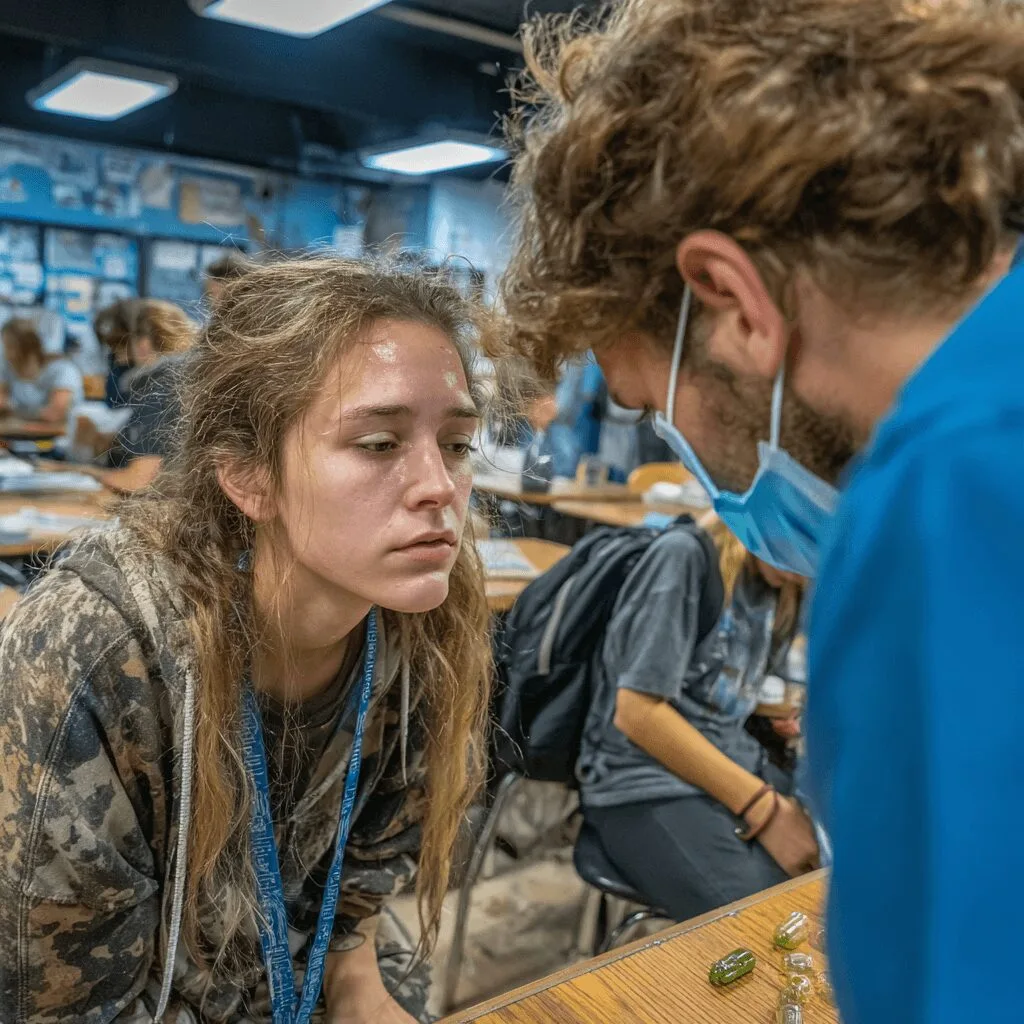
The story starts in Charles County, Maryland, where, according to WUSA9 News, a middle school student fell ill after consuming THC-infused candy allegedly brought from home. The student displayed classic symptoms of overconsumption, including nausea, severe lethargy, and a pale complexion. School staff acted quickly, summoning the nurse and contacting medical responders. The candy in question bore a resemblance to legitimate cannabis packaging, but authorities noted it lacked the stricter child-resistant features enforced in legal markets. When incidents such as these hit the headlines, public safety becomes a top concern—especially in light of other communities responding strongly to cannabis-related issues, like the sharp neighborhood tensions following recent Warner Robins law enforcement actions. Charles County Public Schools issued a warning to parents about the risks of edibles resembling kids’ treats, emphasizing that such events can happen swiftly even with well-meaning families. Law enforcement reminded the public that possession of cannabis edibles by minors remains illegal in Maryland, even as adult-use laws have loosened. As the investigation rolled on, authorities urged anyone with information on similar products to come forward. Several news outlets, including NBC4 Washington, have picked up the story, signaling wider community concern and industry scrutiny. This real-world case of THC candy middle school sickness is the tip of a larger iceberg facing American communities as edible availability increases.
Expert Cannabis Analysis: Lessons, Industry Trends, and Proactive Solutions
So, what’s the real takeaway here? As someone knee-deep in the cannabis industry trenches, two truths are clear: education and responsible packaging matter. THC candy middle school sickness situations like this one are rare, but every incident puts a magnifying glass on the product design and parental awareness gaps. According to Leafly’s health reporting, most exposures stem from ‘look-alike’ candies purchased on the illicit market, not from licensed dispensaries with strict compliance checks. In fact, a 2023 peer-reviewed study found that states with robust packaging regulations have significantly lower rates of pediatric cannabis exposure. Industry leaders like Dr. Amanda Reiman, policy expert and founder of Personal Plants, have weighed in: “Every legal market takes packaging seriously, but education at home is the missing piece,” Reiman told Marijuana Moment. “We should treat cannabis like any other adult product, put it up, lock it away, and talk to kids honestly.” Parents, meanwhile, can check local guidelines and stay aware of current packaging styles to quickly spot suspect products. For urban areas, in particular, there’s also a need to address how secondhand exposure and community health concerns are part of today’s cannabis equation—see the impact of marijuana smoke on public health for a deeper look at modern challenges. The cannabis industry is pushing innovation in child-resistant tech and working with regulators on plain-packaging strategies to reduce the risk of THC candy middle school sickness.
Charting a Smarter Path Forward: THC Candy Middle School Sickness in Perspective
Let’s not toss the baby out with the bong water. As the cannabis space matures in the U.S., best practices are evolving fast. Leaders are learning from every headline and doubling down on education and product safety. Recent data from Cannabis Business Times even shows declines in teen cannabis use where strong regulations are in place—proving that legislative and industry cooperation works. We’re on a path toward smarter, safer legal weed, where THC candy middle school sickness cases become rare outliers. With continued vigilance and honest dialogue, cannabis can keep growing mainstream safely. Let’s lead with facts, responsibility, and, yes, a little good humor—because healthy communities (and good snacks) are always worth the effort.
Originally reported by: wusa9.com