

Warner Robins RICO arrests: Shocking Details Revealed
If you’ve been following the shifting ground beneath the Georgia cannabis scene, you know why the Warner Robins RICO arrests are making waves right now. Not only do they reflect a wider clash between local cannabis culture and longstanding law enforcement priorities, but they also crack open important discussions about criminal justice, public safety, and the future of regulated cannabis in small-town America. Let’s break down what’s happened, what’s at stake, and why these developments are electrifying the ongoing cannabis conversation in 2024.
Historical and Legal Context Behind the Warner Robins RICO Arrests
Like most places in the American South, Warner Robins, Georgia, has walked the thin green line between strict legal frameworks and a persistent undercurrent of cannabis acceptance. Even as dozens of states push for modernization, such as the waves set off by NCSL’s ongoing updates on cannabis laws, Georgia’s approach remains cautious. While the state permits very limited use of low-THC oil for medical purposes (Georgia Department of Public Health), any form of cultivation or recreational use is still prohibited. In other states, club crackdowns and fines have ignited larger conversations about cannabis regulation in community hubs, as happened when a nightlife fine brought marijuana rules to the forefront in neighboring regions (see how such enforcement sparked debate in Charlotte clubs). What does that mean for ordinary folks? In communities like Warner Robins, cannabis possession and cultivation don’t just draw minor fines, they carry long-term legal baggage, especially when tethered to organized crime investigations or so-called RICO statutes. The state’s prosecutorial toolkit now includes sweeping racketeering laws, modeled after federal RICO rules, giving law enforcement broad authority (Legal Information Institute) to link networked activity, even if the ties are loose. This sets the stage for the kind of crackdown we’ve just witnessed, blurring lines between nonviolent lifestyle choices and criminal syndicates.
The Warner Robins RICO Arrests: What Happened and Who’s Involved?
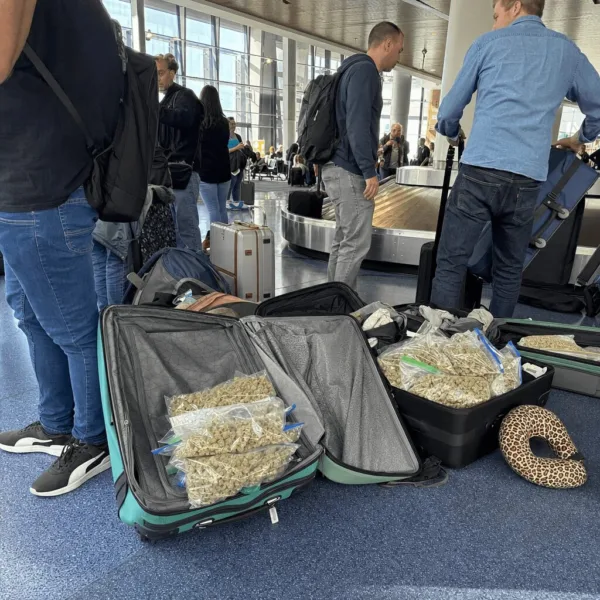
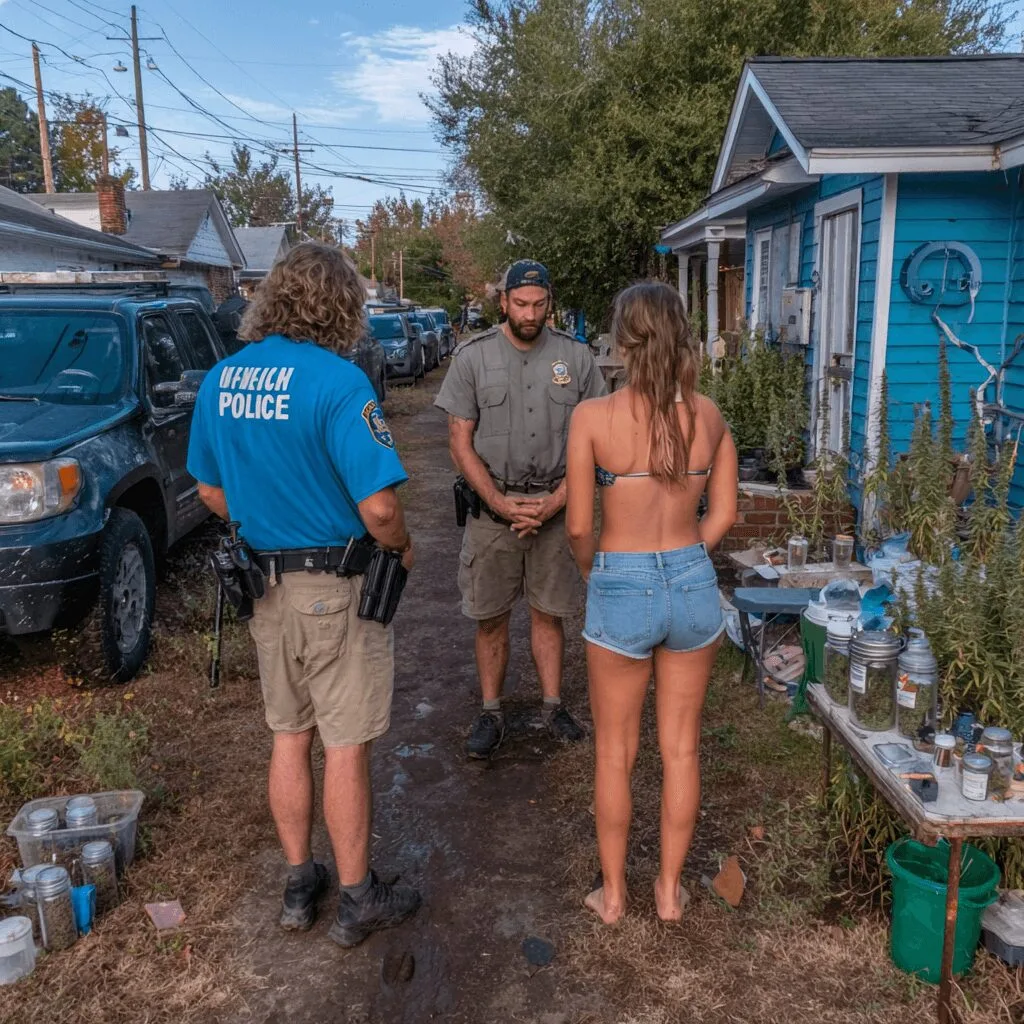
On October 10, 2025, the Georgia Bureau of Investigation (GBI) announced a major breakthrough in a year-long probe, with thirty individuals arrested in Warner Robins, ensnared in what police described as a significant criminal ring. The sting, as reported in the official GBI press release, centered around accusations of racketeering, cannabis cultivation, and various property and drug offenses. Recent scandals elsewhere, such as major cannabis discoveries within institutional settings, have shown just how broad these investigations can range (for example, a shocking jailhouse scandal in San Francisco revealed systemic challenges). Authorities cited ongoing concerns about gang activity, financial flows, and the intersection of drugs and organized crime. The operation drew together state and local task forces, culminating in a day of coordinated raids across modest Warner Robins homes. Law enforcement reportedly found cannabis plants, glass containers, rolling equipment, and cash, but also a mix of community members whose connection to organized syndicates remains debatable. The arrests fall under Georgia’s version of the Racketeer Influenced and Corrupt Organizations Act, giving prosecutors latitude to tie cannabis activity to broader crime-rings, even when the lines appear thin.
Expert Insights: Understanding the Broader Implications of the Warner Robins RICO arrests
Cannabis insiders, legal analysts, and social justice advocates are watching the Warner Robins RICO arrests for what they reveal, as well as what they might change. As industry analyst Jessica Billings from Marijuana Moment explains, ‘We’re seeing old-school enforcement collide with new, community-based cannabis lifestyles. These mass arrests highlight why modern policy is essential, not just for public safety, but for civil rights and economic equity.’ This reflects current trends across the country, where intense backlash against broad marijuana arrests—such as in high-profile cases with viral attention—has fueled increasing demands for policy reform (see the recent wave of reactions following arrests in Myrtle Beach). Indeed, this situation underscores persistent gaps between science, public sentiment, and the realities of criminal law. According to NORML, such arrests are increasingly out of step with national movements toward sensible cannabis regulation. In Warner Robins, it’s also a gut-check for local leaders, forcing further reflection on whether minor cannabis activity should continue to count as organized crime, or if the law is lagging behind cultural realities.
What’s Next: Cannabis Reform, Resilience, and Community
The Warner Robins RICO arrests put a national debate under the local microscope: how should cannabis be treated by law, police, and society? As more states look at reform—with polling showing record-high support for legalization (Pew Research Center)—the door for policy change is cracking open, even where reform has moved slowly. The cannabis community in Georgia is resilient, organizing for advocacy, compassion, and evidence-based change. Even as tension runs high now, these arrests could ultimately catalyze smarter laws and amplify the voice of responsible cannabis enthusiasts statewide. The chill, passionate, and ever-persistent cannabis community is ready to shape that future one day at a time.
Originally reported by: gbi.georgia.gov