

Boston Sheriff Cannabis Extortion: Shocking FBI Takedown
2025 is only heating up for the cannabis world, and not just in the markets. The Boston sheriff cannabis extortion story is setting a new tone for regulatory crackdowns and industry ethics. As federal and state authorities pay closer attention to the evolving weed industry, every new headline leaves ripples—sometimes good, sometimes gnarly. With big players and law enforcement under the microscope, what does this scandal mean for the future of legal weed and the companies growing our favorite plant? Buckle up as we break it down: the legal drama, the industry insights, and just what the Boston sheriff cannabis extortion case means for cannabis businesses, cops, and consumers alike.
Setting the Stage: Legal Haze, Regulation, and Social Impact in Massachusetts
To get what’s really at stake in the Boston sheriff cannabis extortion controversy, you’ve got to know the lay of the land. Massachusetts’ legal weed scene is high on progress, but that doesn’t mean there aren’t headaches. Since going legal in 2016, the Bay State’s Cannabis Control Commission (CCC) has been wrestling with tough regulations, equity licensing struggles, and ever-present scrutiny from both federal agencies and skeptical town officials. On top of standard compliance, companies face patchy local zoning, shifting state regulations, and, let’s be real, a whole lotta political drama (according to MJBizDaily).
Competition is fierce, big money is moving in, and the social equity debate rages: Who gets licenses? Who gets shut out? And who’s really protecting—or exploiting—the budding industry? With public support for legal cannabis at an all-time high (thanks, Gallup!), trust in authorities, regulators, and well, sheriffs, is crucial. That’s what makes this Boston sheriff cannabis extortion news such a big deal—it pokes holes in the system just as the industry tries to build up trust and transparency.
What Really Went Down: Details of the Boston Sheriff Cannabis Extortion Case
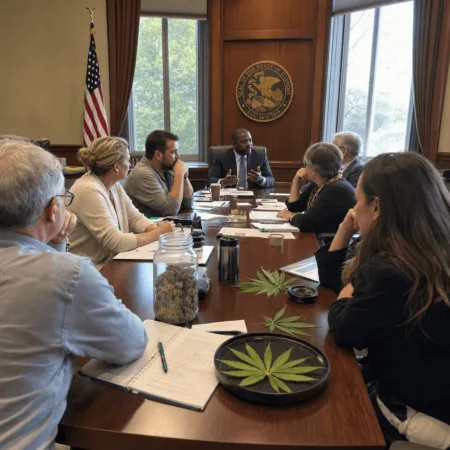
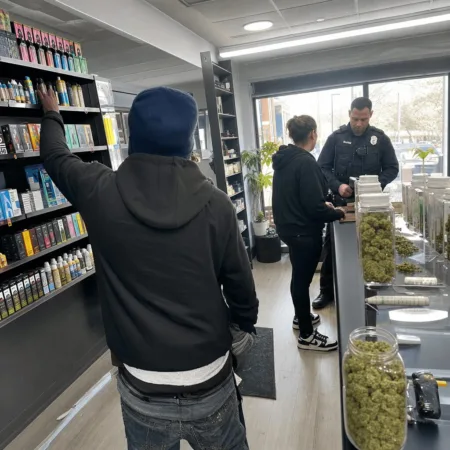
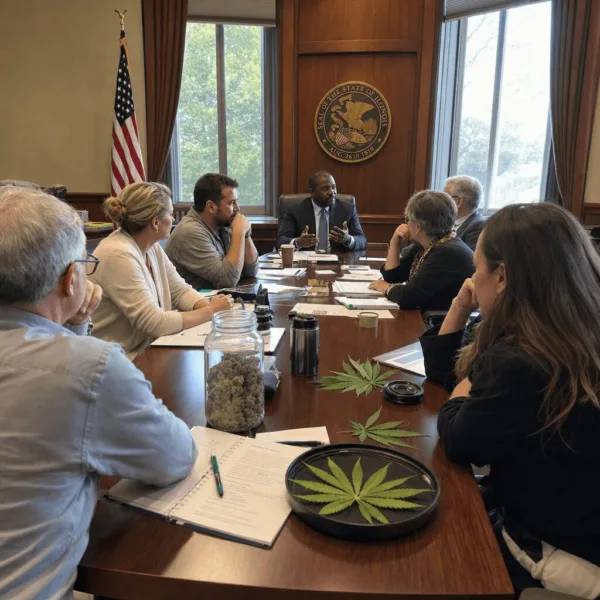
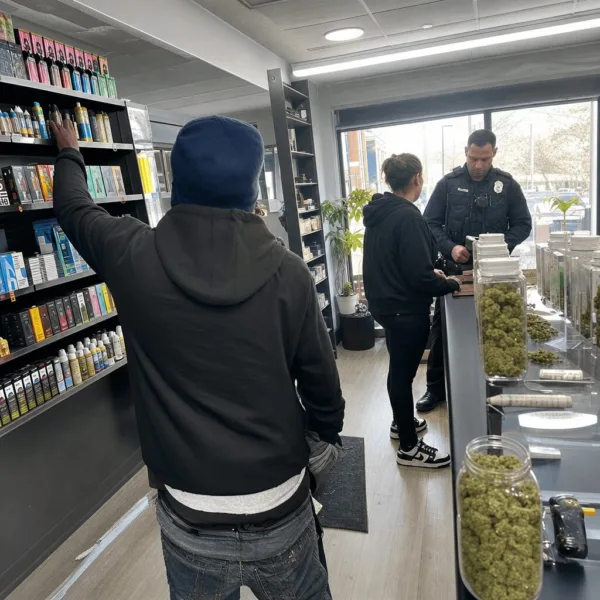
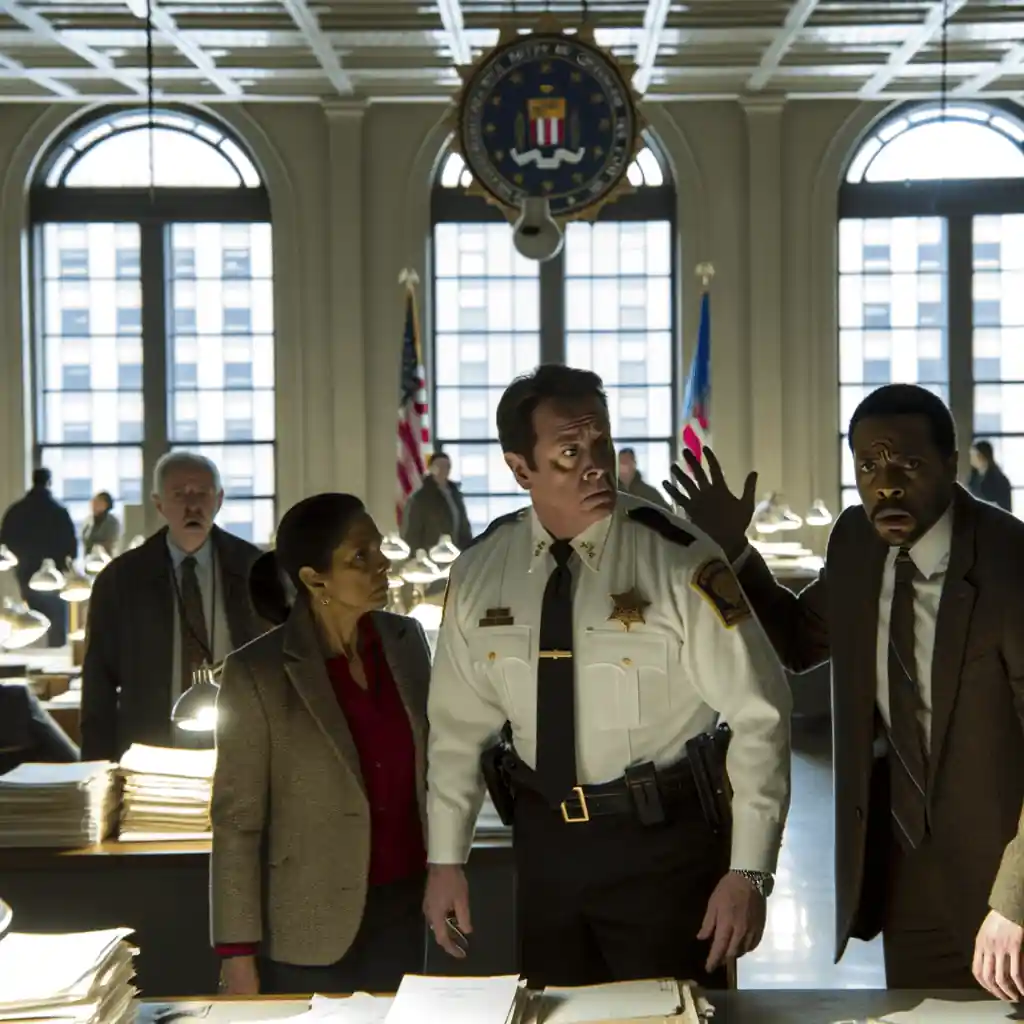
The drama started on August 10, 2025, when Boston’s own Suffolk County Sheriff, Michael Draper, got nabbed in a sting operation that’s straight out of a crime flick. According to reliable reporting from Red Lake Nation News, Draper faces federal charges after the FBI accused him of trying to extort $200,000 from Bay Purity LLC, a local cannabis cultivator. Prosecutors allege Draper threatened to ‘slow-roll’ or block the company’s license applications unless he got paid. Court filings say undercover agents caught him boasting about his ‘connections’ inside the Cannabis Control Commission, dangling promises and, allegedly, collecting $10,000 in marked bills as a ‘first installment’.
Bay Purity LLC reportedly freaked when they realized their new pal in uniform was also suggesting ‘security upgrades’—read: kickbacks. CCC reps say they’re cooperating fully, while Massachusetts’ Attorney General is now digging into other potential cases. Draper faces felony extortion charges and was booked at the very jail he once ran. If convicted, he’s staring down a decade or more behind bars.
This Boston sheriff cannabis extortion debacle throws a fat spotlight on the risks businesses face—even from the folks meant to enforce the law. The cascading fallout includes emergency CCC meetings, public outcry from industry groups, and, yeah, a lot of ‘I told you so’s from longtime legalization advocates.
Expert Analysis: What the Boston Sheriff Cannabis Extortion Scandal Means
This headline-grabbing Boston sheriff cannabis extortion story is a wakeup call—a reminder that, despite all the good vibes, the legal weed biz still has to wrestle with old-school corruption. Industry consultant and author Amanda Reade was blunt: ‘Anytime law enforcement is the problem instead of the solution, you risk shredding the trust the cannabis sector depends on.’ (MJBizDaily).
Legal experts point out that heavy-handed regulation, expensive licensing, and old stigmas can make it easier for bad actors to thrive. The Boston sheriff cannabis extortion case also proves cannabis shops are vulnerable if oversight isn’t transparent—especially when it comes to local officials with too much power. According to NORML, similar shakeups have happened in California and Illinois, where shady officials tried to squeeze cultivators and dispensaries.
On the plus side, scandals like this force real reform. Pressure is building for oversight, clear licensing rules, and, crucially, body cams and transparency for anyone handling cannabis-related zoning or enforcement. Bottom line: the industry will only flourish if it can police itself better than prohibition did.
As Boston sheriff cannabis extortion dominates the news, seasoned insiders hope the fallout will inspire bolder, smarter compliance rules—and weed out both bad apples and the ‘good old boys’ club once and for all.
The Road Ahead: Rebuilding Trust and Letting the Industry Bloom
So, what’s next after Boston sheriff cannabis extortion becomes the talk of the town? For one, the cannabis industry’s zero-tolerance policy for nonsense gets another round of real-world proof. As regulators, growers, and consumers demand stricter transparency, expect Massachusetts to lead national reforms.
The upside? As the legal market expands and gets more legit, corruption stands out like a bad batch of moldy bud. National organizations—including NORML and Leafly News—are calling for a complete revamp of local licensing to close up loopholes exploited in cases like this.
Despite the drama, data from Pew Research shows trust and support for cannabis are only climbing. That means more opportunity, better oversight, and a future where weed is both safe and free from shenanigans. The Boston sheriff cannabis extortion saga is a plot twist—not a finale. For anyone rooting for a legal, ethical, and booming cannabis industry in Boston and beyond, it’s clear: the best is still to come.
Originally reported by redlakenationnews.com