

Psychedelics Placebo Science: What If Everything Changes?
If you think cannabis culture’s wild, just wait until you dive into the world of psychedelics placebo science. Right now, this field is making headlines and shaking up what researchers thought they knew about clinical trials, treatment breakthroughs, and even how we define a ‘real’ medical effect. As both the cannabis and psychedelic industries gain traction, everyone from regulators to wellness gurus is wrestling with the realities of proving what actually works—and how. Whether you’re intrigued by legalization debates, medical advances, or science’s new mysteries, get ready for a ride through the heart of psychedelics placebo science. This shift will impact policy, business, and even your next conversation at the local dispensary.
The Evolving Landscape: Background and Context
Here’s the lowdown: psychedelics placebo science is now a hot topic because both public interest and scientific research into psychedelics (like psilocybin and LSD) are at all-time highs. Legal reforms—think Oregon’s psilocybin legalization—sparked mainstream curiosity and a surge in venture capital pouring into mental health research. Folks are now bracing for the next green (or should I say, rainbow?) rush, as health organizations and state lawmakers like those in Colorado and California debate further access and regulation. News outlets and industry analysts—including the classic High Times—are tracking how the science aligns (or clashes) with regulatory standards, especially in clinical trials where placebos are the ‘gold standard’. For decades, cannabis advocates have watched researchers wrestle with stigma, inconsistent product, and shifting rules. Now, psychedelic substances are in the same boat: scientists want answers, but the legal, social, and even cultural hang-ups make that search more complicated—especially when it comes to design of those all-important controlled trials.
Key Developments & Issues: Breaking Open the Placebo Problem
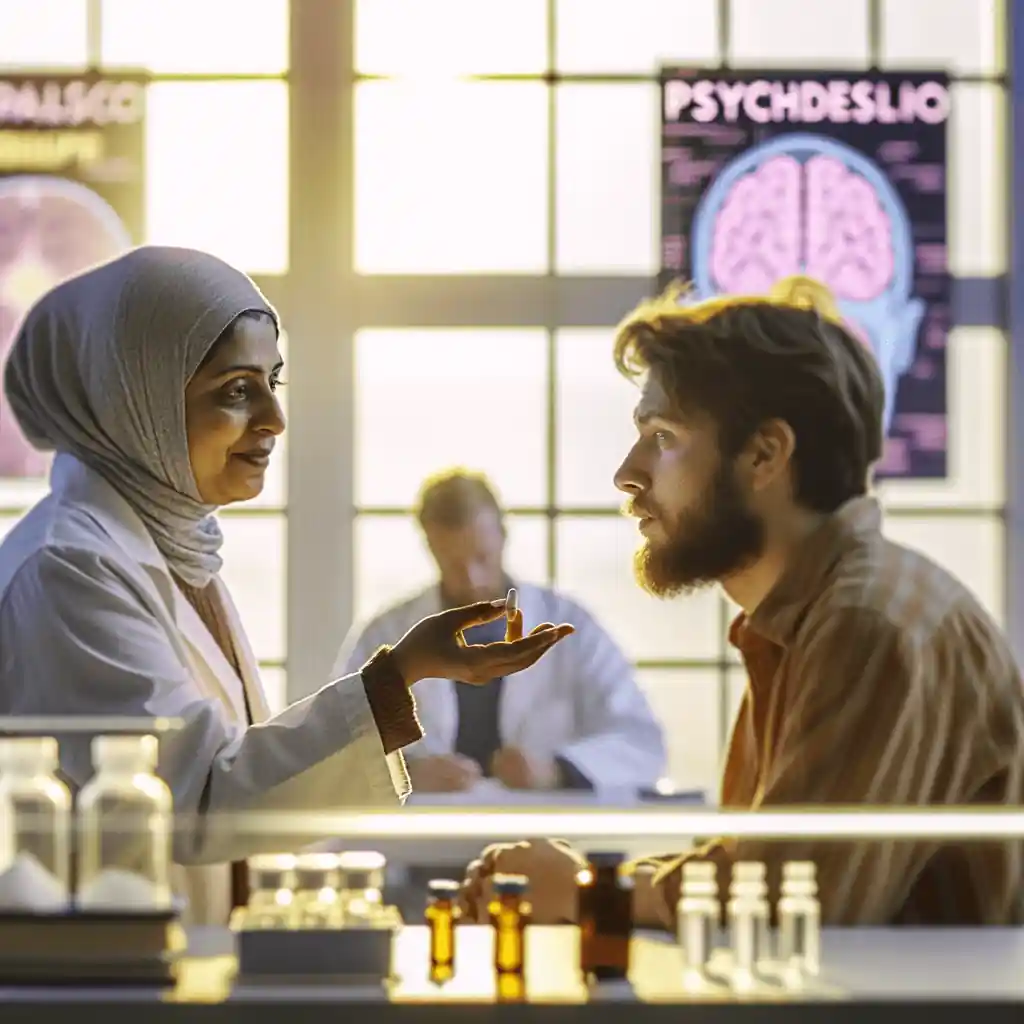
The latest headlines in psychedelics placebo science reveal one central challenge: designing clinical trials where participants genuinely can’t tell if they’ve gotten the real thing or a placebo is, well, almost impossible. According to a recent in-depth report from High Times, leading research organizations and trial designers are running into huge obstacles: when someone takes a high dose of psilocybin or LSD, the effects are typically so profound that participants (and even researchers) can often guess which group they’re in. This is what’s known as ‘breaking blind.’
In July 2023, several researchers at organizations like the Multidisciplinary Association for Psychedelic Studies and Johns Hopkins reported serious issues with double-blind trials, which are supposed to eliminate bias. Many trial subjects openly said, “Yeah, I’m definitely tripping,” which blows the lid off the standard placebo mystery. The result? It’s tough to separate genuine therapeutic benefit from expectation-driven placebo response. This flaw could lead to overestimating psychedelics’ effectiveness—or underestimating it, if skepticism muddies the waters.
Industry experts note that pharmaceutical companies like MindMed and COMPASS Pathways are pouring millions into clinical research, but are also facing skeptical regulators like the FDA, which wants more rigorous controls and clearer proof than ever. Major U.S. news outlets, including The New York Times, have covered the challenges of masking psychedelic experiences in human studies, pointing out how this debate is now front and center in drug development.
Expert Analysis & Real-World Cannabis Insights
Here’s where it gets juicy—psychedelics placebo science isn’t just an academic squabble, it’s a battleground for credibility and the power to shape future access.
From the cannabis world, we’ve danced this dance before: studies were once dismissed because participants ‘knew’ if they had the real stuff. It’s déjà vu, but with more glowsticks. Industry analyst Jennifer McGrath, writing for Cannabis Business Executive, notes, “The absence of true blinding doesn’t mean these compounds lack value. It means we have to evolve our science and regulatory frameworks.” Many scientists and seasoned advocates agree—demanding a rigid placebo design for psychedelics may miss the bigger picture of how consciousness-altering substances work.
Think about it: cultural set and setting—the user’s expectations, environment, history—can be just as important as the chemical itself. Psychedelics might force clinical trial design to finally reckon with subjective experience, a debate cannabis science triggered years ago. As Harm Reduction Journal pointed out in their 2022 issue (source here), “Attempts to apply classic double-blind standards to cannabis and psychedelics may undermine the real-life experiences that drive both risks and benefits.”
This opens the door to innovative research techniques, like open-label studies or active placebo use, where participants get a weaker version of the drug to better mimic the experience. Creative science? Maybe. Desperate times? Possibly. But in a market where patients demand access and proof, we need all hands on deck.
Looking Ahead: Hope, Hype, and Cannabis Culture’s Evolution
So, what’s the punchline for the cannabis crew? Psychedelics placebo science is forcing everyone—from scientists to lawmakers—to get real about how we test, legalize, and use consciousness-changing substances. Even as trial designs get debated, the drive for smart policy and fair access grows stronger. According to NORML, over 70% of U.S. adults now back some form of cannabis legalization. This social shift isn’t going away—it’s only opening new doors for psychedelics advocates grappling with placebo challenges today.
The cannabis industry has already proven you can turn stigma into opportunity if you keep challenging tired assumptions, organize with integrity, and keep advocates and scientists at the same, smoke-filled table. For anyone watching psychedelics placebo science unfold, the future is wide open and just as colorful as our favorite strains. Light up some optimism, because the real revolution—one built on real evidence and real community—is only just getting started.
Originally reported by hightimes.com