





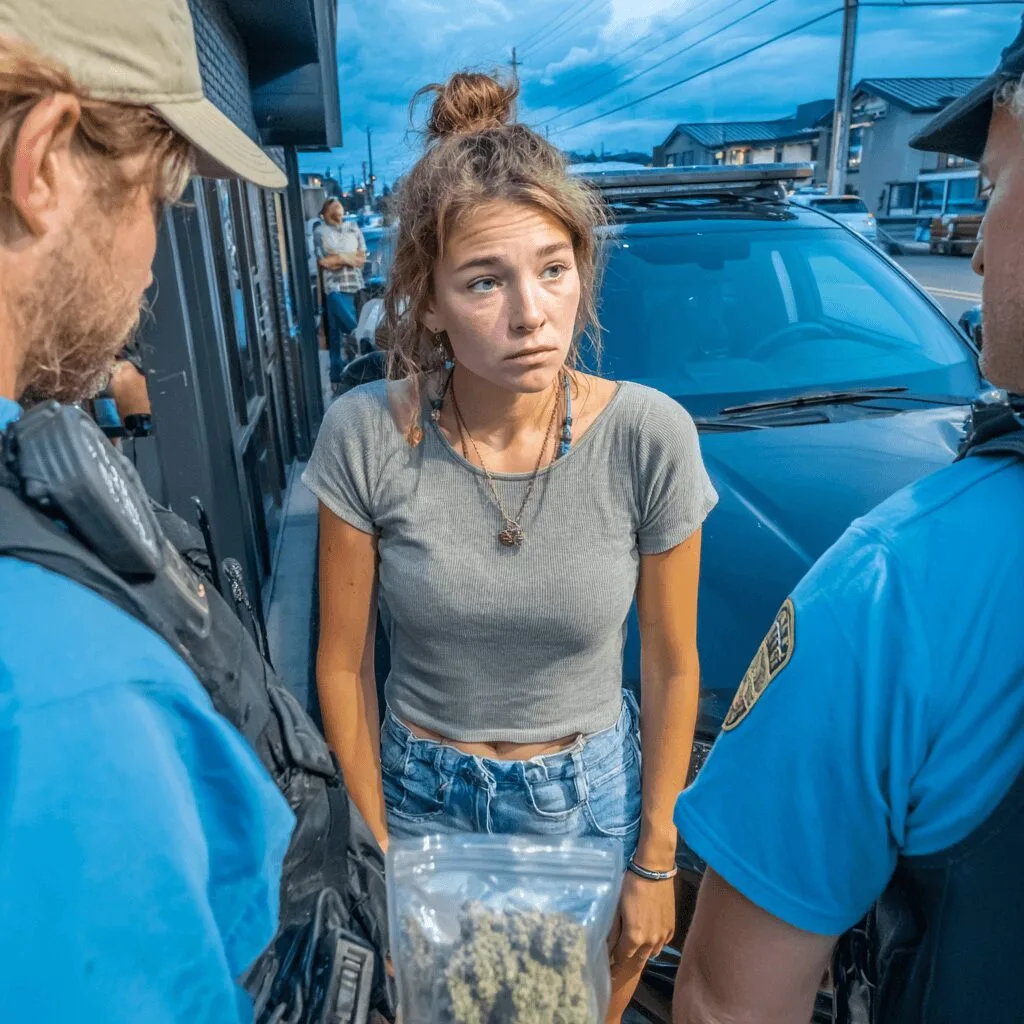
Shocking Incident: Woman Arrested Marijuana OWI Revealed
If you’ve been paying any attention to the cannabis news cycle lately, you’ll know the conversation around marijuana-related driving offenses is heating up. Especially as state legalization trends push boundaries, every incident becomes a talking point, and the recent woman arrested marijuana OWI case is no exception. This headline-grabbing story serves as a litmus test for shifting public attitudes, local law enforcement tactics, and the patchwork of marijuana regulations across states. Let’s dive into what happened, why people are talking, and how this fits into the bigger picture for cannabis users, patients, and advocates everywhere.
Understanding The Changing Landscape: Cannabis Laws & Social Attitudes
The grounds are moving fast in the world of cannabis regulation. Over 20 states now allow recreational use in some form, with dozens more opening the doors for medicinal patients. But, as highlighted by sources like the National Organization for the Reform of Marijuana Laws (NORML), even progressive states maintain strict Operating While Intoxicated (OWI) statutes for drivers. The clash between personal liberty and public safety is front and center, and, as discussed in emerging bipartisan support for cannabis legalization, a 2023 Pew Research Center survey found 88% of Americans support legalization in some form. Yet, the stigma surrounding use, especially on the roads, remains potent. Meanwhile, law enforcement faces challenges in roadside detection: cannabis metabolites can linger long after any psychoactive effects fade. This has led to confusion for everyone from local cops looking to do their jobs, to patients who depend on cannabis for wellness. The woman arrested marijuana OWI case shines a bright light on this evolving, sometimes contradictory intersection of law, science, and culture.
Key Events: Timeline of the Woman Arrested Marijuana OWI Incident
On June 9, 2024, local authorities from Northwest Iowa responded to a routine traffic stop involving a woman suspected of impaired driving. According to Northwest Iowa Review’s original report, officers noted the smell of marijuana after the approach. The woman, whose vehicle was parked in a suburban neighborhood just after dusk, allegedly admitted to having smoked cannabis earlier that day. Police collected what they described as a clear plastic bag containing green plant material, later identified on the scene as marijuana, along with rolling papers and a travel mug. These types of community-level responses, often drawing from recent council debates over marijuana policy and enforcement, highlight how policy is interpreted in real-world situations. Subsequent field sobriety evaluations led to the arrest for Operating While Intoxicated (OWI) under marijuana influence. Under Iowa’s laws, any detectable level of THC metabolites can result in an OWI charge, regardless of current impairment. The case spurred immediate attention from both community members and advocacy organizations, with some arguing the legal penalty outweighed the actual risks presented.
Analysis: Cannabis Policy, Public Safety, and Social Realities
Here’s the rub. Cannabis policy is in a weird limbo, and the woman arrested marijuana OWI situation underscores this disconnect—where law and lived reality collide. As Leafly’s 2024 analysis notes, roadside cannabis detection remains highly unreliable. THC can stay in the system for days after use, while impairment typically subsides within hours. The complications faced by both drivers and law enforcement here echo the challenges encountered when complying with varying licensing and permit rules across states, such as those illustrated in guides to navigating state cannabis permits and licenses. As Dr. Staci Gruber, Director of Cannabis Investigations at McLean Hospital, points out: “Testing positive for THC metabolites isn’t the same as being actively impaired. We need clear science-based methods to assess impairment, just as we do for alcohol.” (Forbes Health, 2022). Advocates argue that blanket enforcement penalizes responsible users—especially medical patients—while failing to make roads any safer. The incident has also highlighted a trend towards criminalizing behavior that is now, in many states, entirely legal in other contexts.
Looking Ahead: Hope, Reform, and Public Dialogue
So, what’s next after the woman arrested marijuana OWI case? The answer is more conversation, more reform, and—if we’re lucky—a dose of compassion. As organizations like Marijuana Policy Project and Drug Policy Alliance keep pushing for science-driven policies, states will need to keep pace with evolving public attitudes. Ultimately, this case is a reminder that cannabis is here to stay and so is the need for thoughtful, nuanced law. Social acceptance continues to grow, and well-crafted regulations—grounded in science, not stigma—are just around the corner. With patience and ongoing advocacy, the future of cannabis reform is looking ever greener, both for users and for communities adjusting to this new normal.
Originally reported by: nwestiowa.com

1 Comment
Pingback: Federal THC Ban: Wisconsin Lawmakers Drive Nationwide Change